St. Leo III
The 96th Pope795 to 816
About
Crowned Charlemagne emperor on Christmas Day 800.
His gift to the ChurchBy crowning Charlemagne on Christmas Day 800 he joined the Church of Rome to a new Christian West, and he kept the Creed as the whole Church had received it.
- Pope
- 27 December 795 to 12 June 816
- Born
- c. 750, Rome
- Died
- 12 June 816
- Secular name
- Leo
- Buried
- St. Peter’s Basilica
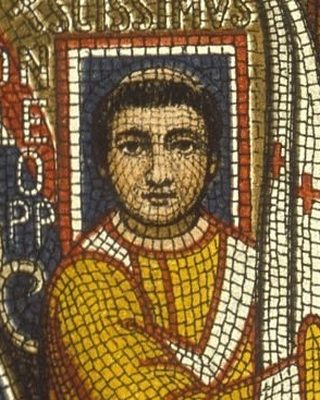
Portrait: Wikimedia Commons, public domain, file page
Life
Leo was attacked in a Roman street in 799 by relatives of his predecessor, who tried to blind him and cut out his tongue. He escaped to Charlemagne, who restored him. On Christmas Day 800, in St. Peter’s, Leo crowned Charlemagne Emperor of the Romans, founding what became the Holy Roman Empire. He refused Charlemagne’s wish to add the Filioque to the Creed, though he agreed with its teaching, and had the Creed engraved without it on silver shields.
Key moments
- c. 750Born in Rome
- December 795Elected the day after Adrian I died
- 25 April 799Attacked during a procession by relatives of Adrian I
- 799Escapes to Charlemagne at Paderborn
- 23 December 800Clears himself by solemn oath of the charges against him
- 25 December 800Crowns Charlemagne Emperor in St. Peter’s
- c. 810Declines to add the Filioque to the Creed and has it engraved without it on silver shields
- 12 June 816Dies in Rome
- 1673His name is entered in the Roman Martyrology
Did you know?
- Charlemagne’s biographer Einhard wrote that the king would not have entered St. Peter’s that Christmas had he known what the pope intended.
- His attackers tried to blind him and cut out his tongue; his followers believed both were healed by a miracle.
- A mosaic he set up at the Lateran shows St. Peter giving a stole to Leo and a banner to Charlemagne; a copy can be seen near the Scala Santa.
- The silver shields he hung in St. Peter’s carried the Creed in Greek and in Latin.
His legacy
- Crowned Charlemagne emperor (800)
- Kept the Creed without the Filioque in Rome