Verbum Domini (Latin for “the Word of the Lord”) is your one-stop shop for Catholic content. Think of it as the Costco of the Catholic world :)
I started this project because I was fed up with opening 10 different tabs on my phone or laptop. I wanted everything in one place, and this site is designed to be for everyone, not just Catholics, especially people on their way into the Church and people who need a spark so that they may know the truth and beauty of our belief. I try really hard to stay true to the Church's teachings, canon law, the Catechism, and the Bible, and offer as many sources as possible for the content.
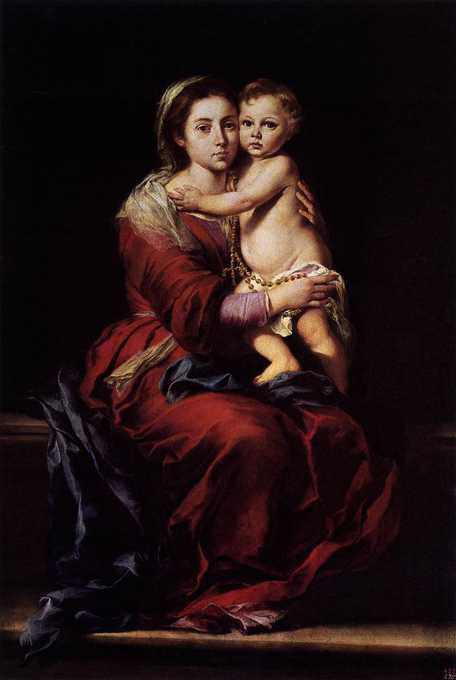
The Rosary grew from the medieval practice of praying 150 Our Fathers in place of the 150 Psalms. Tradition links its form to St. Dominic in the early 1200s, and the fifteen decades were fixed in the 1400s and 1500s. St. John Paul II added the Luminous Mysteries in 2002.
Read today’s saint, look up any day of the year, or find a saint by name.
Loading…
20 of the best-known saints
Their full stories.
On this page
Key
Solemnity or Feast Memorial Optional memorial No label: other saints of the day
On this page
Rites and Calendar
The stages of OCIA and when each rite falls in the Church’s year
Choose a track to see its stages. The rites come from the Rite of Christian Initiation of Adults, which the Church restored after the Second Vatican Council; the dates below are for the coming Easter.
Dates for 2027
Ash Wednesday
Wednesday, February 10
Rite of Election and call to continuing conversion
Sunday, February 14
First scrutiny
Sunday, February 28
Second scrutiny
Sunday, March 7
Third scrutiny
Sunday, March 14
Easter Vigil
Saturday, March 27
Pentecost, end of mystagogy
Sunday, May 16
Dates follow the date of Easter. The diocese announces where and when the bishop celebrates the Rite of Election.
Catechumens: not baptized
Any time of year
Inquiry (precatechumenate)
A time of no fixed length to hear the Gospel, ask questions and begin to pray, with the help of the OCIA team.
At a Sunday Mass the inquirer asks to become a Christian, is signed with the cross and may be given a book of the Gospels. Their name is written in the book of catechumens.
Catechesis, Sunday Mass with the Liturgy of the Word, prayer and works of charity. The length depends on each person and on the norms of the bishops’ conference.
The bishop, usually at the cathedral, hears the testimony of the godparents and the catechists and chooses the catechumens for the Easter sacraments. From now on they are called the elect.
Three scrutinies pray for healing and strength, with the Gospels of the Samaritan woman, the man born blind and Lazarus. The Church presents the Creed and the Lord’s Prayer in the weeks of Lent.
At a Sunday Mass the candidates are welcomed as people already baptized and marked with the sign of the cross. It is kept distinct from the Rite of Acceptance of catechumens.
The rite leaves confession before reception to the candidate’s conscience. Parishes usually encourage it, and it is required for anyone conscious of grave sin.
The candidate makes the profession of faith, is confirmed by the priest who receives them and receives Communion. Eastern Christians are already confirmed.
Catechumens and candidates often meet in the same group, but the rites keep them distinct. A baptized Catholic who was never catechized follows the candidates’ path without the reception, since they are already Catholic.
 NewInteractiveOCIA Marriage NavigatorAnswer a few questions about your marriageStart→