How to Become Catholic
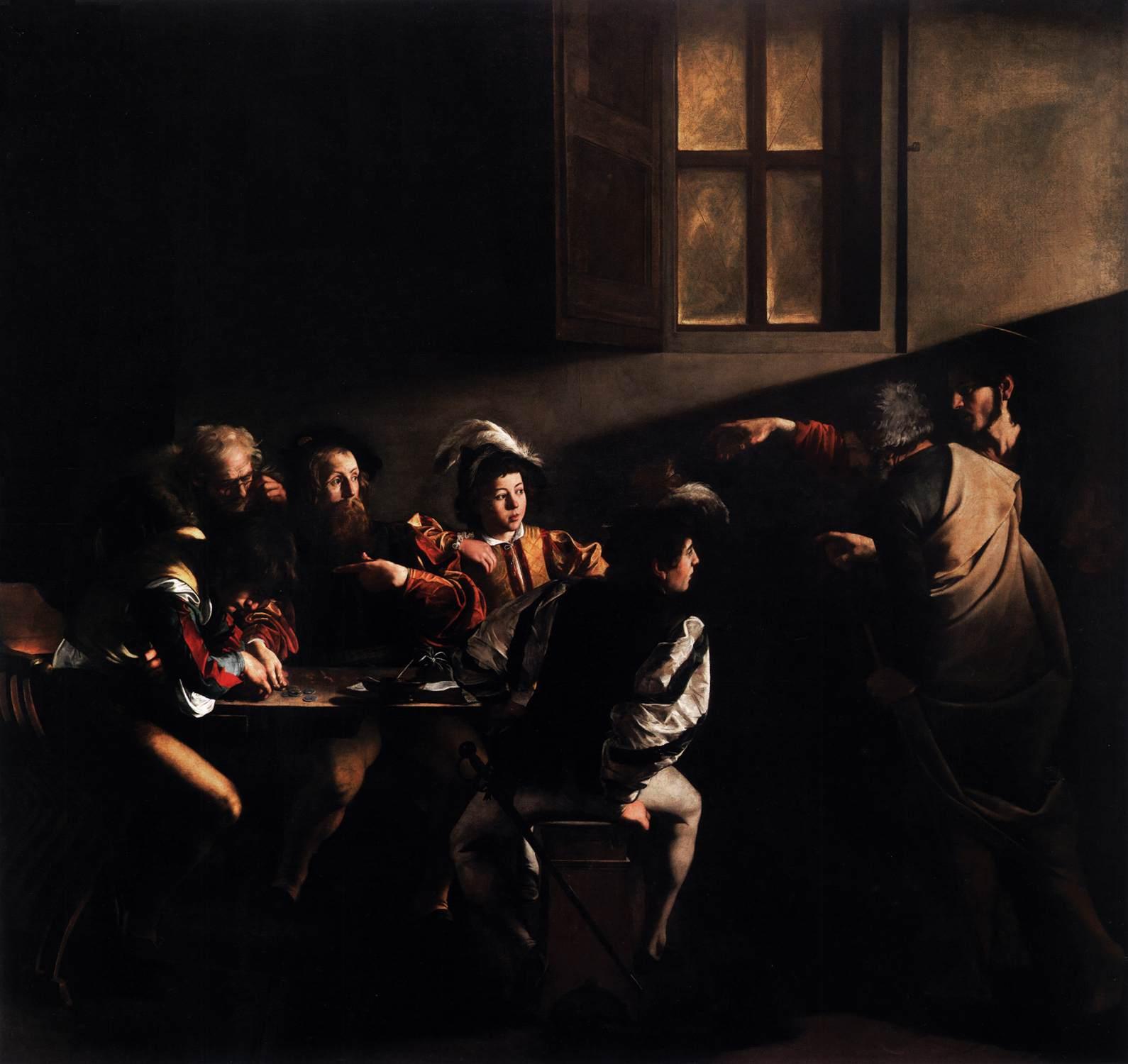
Caravaggio · The Calling of Saint Matthew
How you become Catholic depends on whether you've already been baptized. Either way, you end up in the same place: full communion with the Church through Baptism, Confirmation and the Eucharist.
The first step is easy: call, write to or walk into your nearest Catholic parish. The priest will meet you and plan your preparation with you.
OCIA · about six months
The preparation, step by step
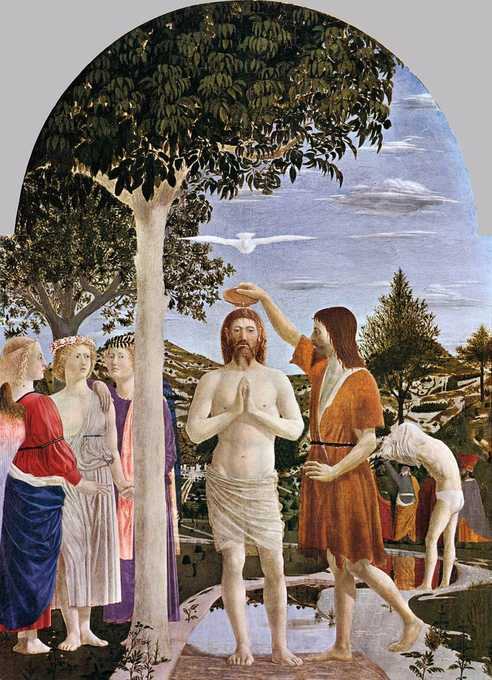
The preparation of unbaptized adults is called OCIA (formerly RCIA). It usually begins in September and ends about six months later, with baptism at the Easter Vigil.
- 1
Inquiry
A time to get to know the faith and ask questions, with no commitment.
- 2
Rite of Reception into the Order of Catechumens
The first formal step: you ask the Church, out loud, to become a Christian, and you become a catechumen (someone preparing for baptism).
- 3
The Catechumenate
A period of formation in Catholic belief and the Christian life, usually under a year, while your faith grows.
- 4
The Rite of Election
On the first Sunday of Lent the bishop formally chooses you, and your name goes into the book of those to be baptized at Easter.
- 5
The Scrutinies
On the 3rd, 4th and 5th Sundays of Lent the parish prays over you for repentance and healing. Around this time you are also given the Creed and the Lord’s Prayer.
- 6
The Easter Vigil
On Easter night you are baptized, confirmed and receive your first Communion. Now you’re Catholic.
- 7
Mystagogy
The fifty days from Easter to Pentecost, when the new Catholic settles into the faith and into parish life.
Questions and special cases
Good to know
If you're already a baptized Christian
Someone validly baptized is already Christian and isn't counted as a catechumen. Preparation is tailored to the person: someone who has lived the faith may only need to get to know Catholic tradition, while someone with no formation needs a longer preparation.
Reception usually takes place not at the Easter Vigil but at an ordinary Sunday Mass, followed by confirmation and first Communion. Beforehand, the person goes to confession for any serious sins committed since baptism.
At the reception the candidate professes: "I believe and profess all that the holy Catholic Church believes, teaches, and proclaims to be revealed by God."
When there's doubt about a baptism's validity
Every baptism is presumed valid unless proven otherwise. If there's serious doubt whether it was done with water and "in the name of the Father, and of the Son, and of the Holy Spirit," the priest gives a conditional baptism: "If you are not already baptized, I baptize you in the name of the Father, and of the Son, and of the Holy Spirit."
Adults baptized Catholic who never received religious formation, confirmation or first Communion have an adapted preparation of their own.
Is the wait wasted time?
Waiting takes patience, but it isn’t wasted time: becoming Catholic changes your whole life. And you aren’t outside the Church while you wait. If you’re baptized, your baptism already binds you to the Church (CCC 1271). If you aren’t, your desire for baptism already joins you to it, and the Church already embraces you as her own (CCC 1249).
How do I start the OCIA process?
Contact your nearest Catholic parish. The process usually starts in September; if you talk to the priest by early August, you won't be late. He'll most likely want to meet you in person to get to know you. Some parishes arrange this preparation one to one with the priest rather than in a group, so if a parish website says nothing about it, ask anyway.
Do I need to go to confession?
If you're already baptized, yes: you go to confession at a separate time before your reception into the Church. If you've never been baptized, you don't need to, because baptism wipes away all earlier sins. See the step-by-step confession guide.
The general OCIA process on this page is a universal Church regulation (1972, Congregation for Divine Worship); some details above (such as reception outside the Easter Vigil, or the timing of confession) are drawn from the U.S. Conference of Catholic Bishops' National Statutes for the Catechumenate (1986). For practice in your own region, ask your nearest parish.