The Parables of Jesus
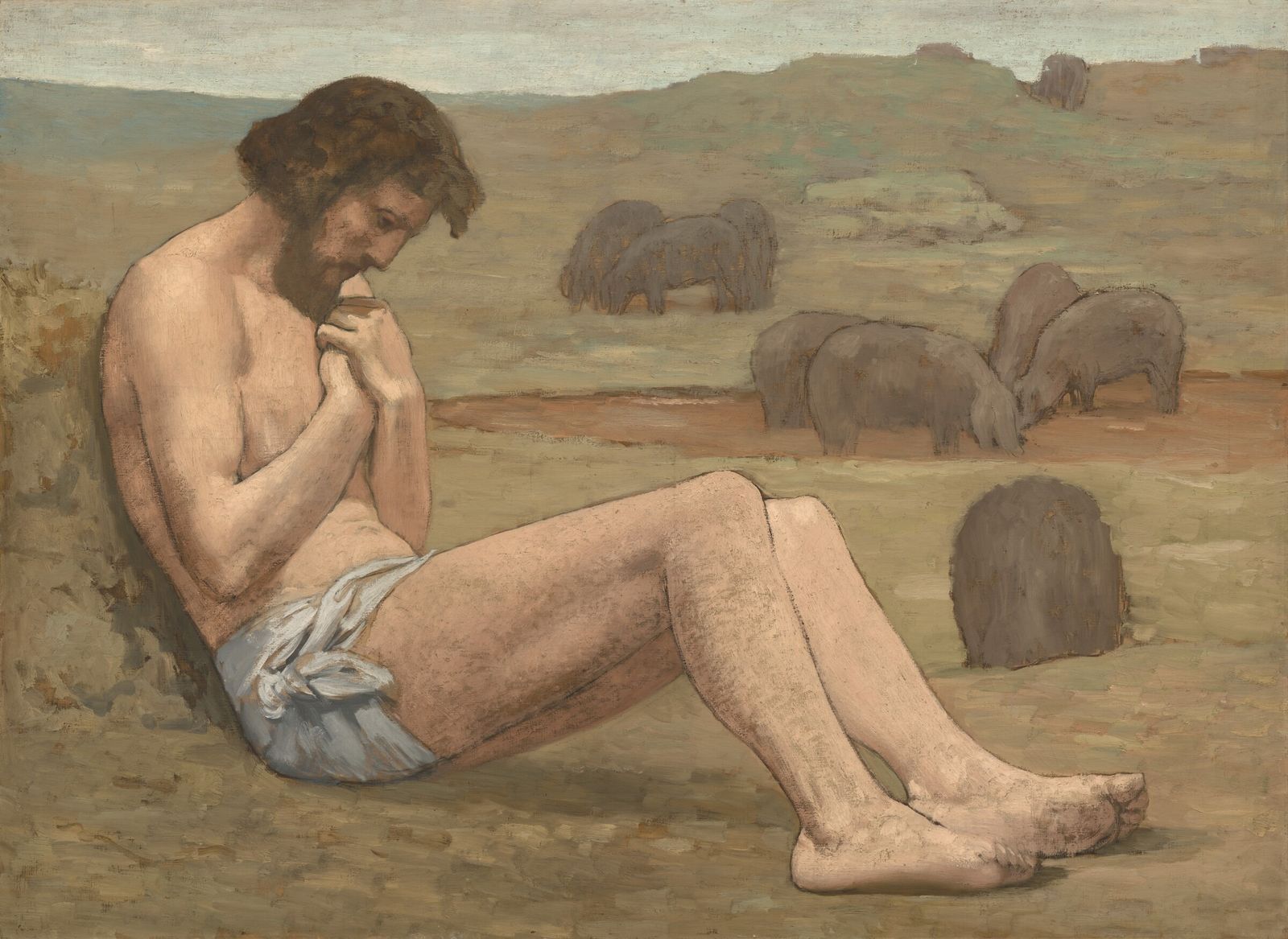
Pierre Puvis de Chavannes · The Prodigal Son
Parables are simple stories from everyday life that carry deep truths. Jesus told them to make people who were looking for the truth stop and think (Matthew 13:10-17).
8 parables
Parables of the Kingdom
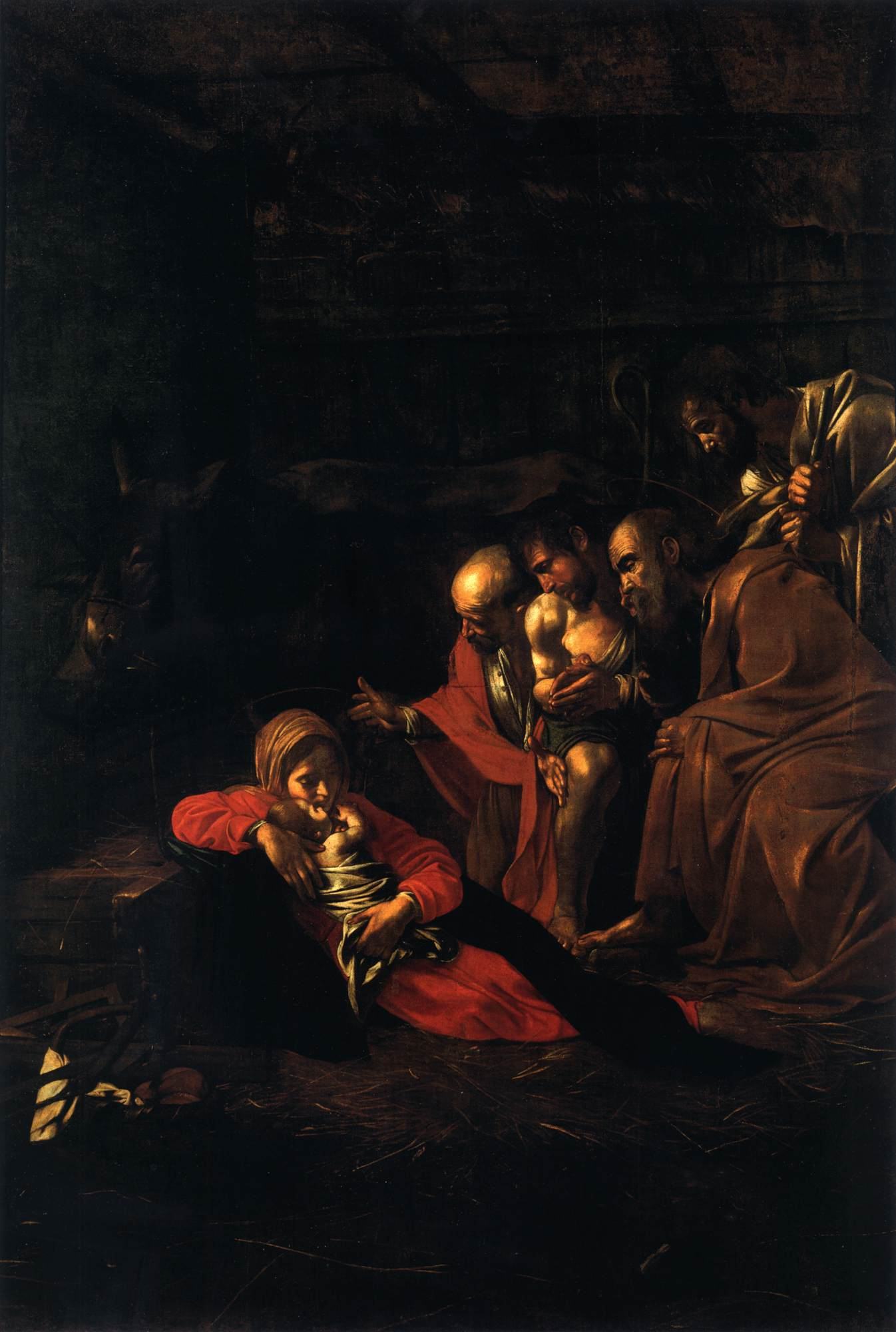
God’s Kingdom starts small, grows quietly and is worth everything you have.
The SowerMatthew 13:1–23 · Mark 4:1–20 · Luke 8:4–15
A farmer's seed is eaten by birds, withers on rocky ground and is choked by thorns; the seed that falls on good soil yields thirty, sixty and a hundredfold.
Jesus explains it himself: the seed is God's word, and the soils are the hearts that hear it. Hearing isn't enough; what counts is how we receive it.
Matthew 13:3–9 · Douay-Rheims Bible
Behold the sower went forth to sow.
And whilst he soweth, some fell by the way side, and the birds of the air came and ate them up. And other some fell upon stony ground, where they had not much earth: and they sprung up immediately, because they had no deepness of earth. And when the sun was up they were scorched: and because they had not root, they withered away. And others fell among thorns: and the thorns grew up and choked them. And other some fell upon good ground: and they brought forth fruit, some an hundredfold, some sixtyfold, and some thirtyfold.
He that hath ears to hear, let him hear.
The Wheat and the WeedsMatthew 13:24–30, 36–43
While a man sleeps, an enemy sows weeds among his wheat. He won't let his servants pull them up in case the wheat comes up with them; the sorting can wait for the harvest.
The field is the world, and the harvest is the end of the age. Good and evil live side by side here; the final judgment belongs to God, not to us.
Matthew 13:24–30 · Douay-Rheims Bible
The kingdom of heaven is likened to a man that sowed good seed in his field. But while men were asleep, his enemy came and oversowed cockle among the wheat and went his way. And when the blade was sprung up, and had brought forth fruit, then appeared also the cockle.
And the servants of the goodman of the house coming said to him: Sir, didst thou not sow good seed in thy field? whence then hath it cockle? And he said to them: An enemy hath done this. And the servants said to him: Wilt thou that we go and gather it up? And he said: No, lest perhaps gathering up the cockle, you root up the wheat also together with it. Suffer both to grow until the harvest, and in the time of the harvest I will say to the reapers: Gather up first the cockle, and bind it into bundles to burn, but the wheat gather ye into my barn.
The Mustard SeedMatthew 13:31–32 · Mark 4:30–32 · Luke 13:18–19
The mustard seed, the smallest of seeds, grows into a tree where birds build their nests.
God's Kingdom began small too, with a handful of disciples, and spread to every nation. Even a small faith becomes something great in God's hands.
Matthew 13:31–32 · Douay-Rheims Bible
The kingdom of heaven is like to a grain of mustard seed, which a man took and sowed in his field. Which is the least indeed of all seeds; but when it is grown up, it is greater than all herbs, and becometh a tree, so that the birds of the air come, and dwell in the branches thereof.
The LeavenMatthew 13:33 · Luke 13:20–21
A woman mixes a little yeast into a large batch of flour, and the whole dough rises.
You can’t see yeast, but it changes the dough from the inside. That’s how the Kingdom works in the world: quietly, from within, one heart at a time.
Matthew 13:33 · Douay-Rheims Bible
The kingdom of heaven is like to leaven, which a woman took and hid in three measures of meal, till the whole was leavened.
The Hidden TreasureMatthew 13:44
A man finds treasure buried in a field and, overjoyed, sells everything he owns to buy the field.
The Kingdom is worth more than anything. Notice he gives everything up not with regret but with joy: nothing given up for God is really lost.
Matthew 13:44 · Douay-Rheims Bible
The kingdom of heaven is like unto a treasure hidden in a field. Which a man having found, hid it, and for joy thereof goeth, and selleth all that he hath, and buyeth that field.
The Pearl of Great PriceMatthew 13:45–46
A merchant looking for fine pearls finds one of great value and sells everything to buy it.
The man with the treasure wasn't looking; the merchant was. The Kingdom can come as an unexpected gift or as the end of a search, and either way the response is the same: give up everything for it.
Matthew 13:45–46 · Douay-Rheims Bible
Again the kingdom of heaven is like to a merchant seeking good pearls. Who when he had found one pearl of great price, went his way, and sold all that he had, and bought it.
The NetMatthew 13:47–50
A net thrown into the sea gathers fish of every kind; the fishermen keep the good ones and throw the bad away.
At the end of the age the angels will separate the evil from the righteous. This world holds both, but the final sorting will come.
Matthew 13:47–50 · Douay-Rheims Bible
Again the kingdom of heaven is like to a net cast into the sea, and gathering together of all kind of fishes. Which, when it was filled, they drew out, and sitting by the shore, they chose out the good into vessels, but the bad they cast forth.
So shall it be at the end of the world. The angels shall go out, and shall separate the wicked from among the just. And shall cast them into the furnace of fire: there shall be weeping and gnashing of teeth.
The Growing SeedMark 4:26–29
A man scatters seed; whether he sleeps or wakes, it sprouts and grows, and he doesn’t know how.
This one is found only in Mark. It reminds us that it is God, not us, who makes things grow. We sow; God’s work ripens in its own time.
Mark 4:26–29 · Douay-Rheims Bible
So is the kingdom of God, as if a man should cast seed into the earth, And should sleep, and rise, night and day, and the seed should spring, and grow up whilst he knoweth not. For the earth of itself bringeth forth fruit, first the blade, then the ear, afterwards the full corn in the ear. And when the fruit is brought forth, immediately he putteth in the sickle, because the harvest is come.
8 parables
Parables of Mercy and Forgiveness
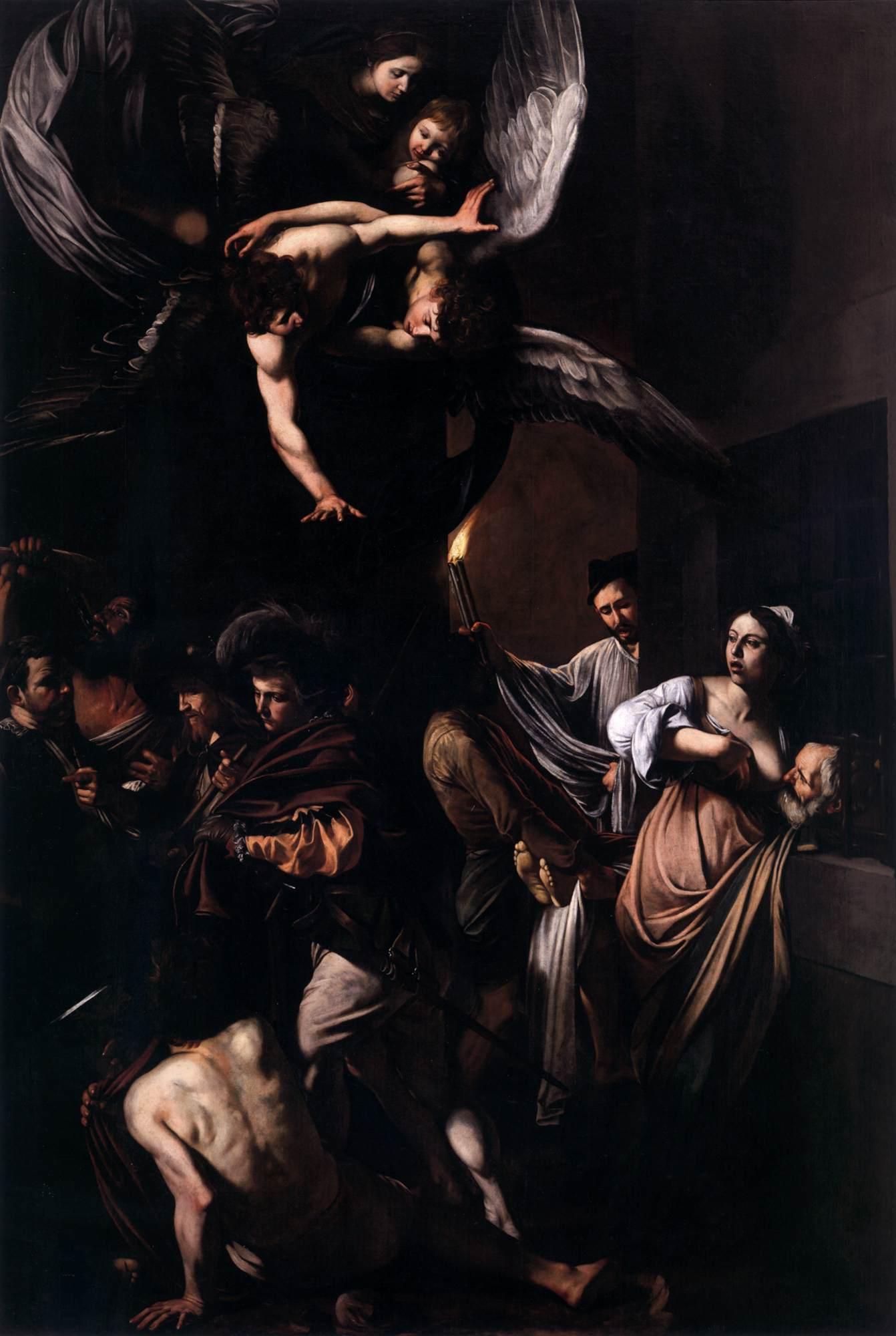
God’s mercy has no limit, and he expects us to pass it on.
The Lost SheepLuke 15:3–7 · Matthew 18:12–14
A shepherd with a hundred sheep leaves the ninety-nine to search for the one that is lost, and carries it home on his shoulders with joy.
Jesus told it to those who criticized him for eating with sinners. God never writes off anyone who is lost, and rejoices over a single sinner who repents.
Luke 15:3–7 · Douay-Rheims Bible
What man is there of you, that hath an hundred sheep: and if he shall lose one of them, doth he not leave the ninety-nine in the desert, and go after that which was lost, until he find it?
And when he hath found it, lay it upon his shoulders, rejoicing: And coming home, call together his friends and neighbours, saying to them: Rejoice with me, because I have found my sheep that was lost? I say to you, that even so there shall be joy in heaven upon one sinner that doth penance, more than upon ninety-nine just who need not penance.
The Lost CoinLuke 15:8–10
A woman with ten silver coins loses one, lights a lamp and sweeps the house until she finds it, then celebrates with her neighbors.
A companion to the Lost Sheep, it makes the same point: God actively searches for the lost, because every person is precious to him.
Luke 15:8–10 · Douay-Rheims Bible
What woman having ten groats, if she lose one groat, doth not light a candle, and sweep the house, and seek diligently until she find it? And when she hath found it, call together her friends and neighbours, saying: Rejoice with me, because I have found the groat which I had lost.
So I say to you, there shall be joy before the angels of God upon one sinner doing penance.
The Prodigal SonLuke 15:11–32
The younger son takes his inheritance, squanders it far away and ends up feeding pigs. When he decides to come home as a hired hand, his father sees him from afar, runs to him, embraces him and throws a feast. The elder son is angry and won't go in, and the father comes out to plead with him too.
It may be Jesus' best-known parable. It pictures God's mercy as a father who runs to his son before hearing a word of explanation. The elder son stands for religious people who resent a brother being forgiven. The story is left open: whether he goes in is for the listener to decide.
Luke 15:11–32 · Douay-Rheims Bible
A certain man had two sons: And the younger of them said to his father: Father, give me the portion of substance that falleth to me. And he divided unto them his substance. And not many days after, the younger son, gathering all together, went abroad into a far country: and there wasted his substance, living riotously.
And after he had spent all, there came a mighty famine in that country; and he began to be in want. And he went and cleaved to one of the citizens of that country. And he sent him into his farm to feed swine. And he would fain have filled his belly with the husks the swine did eat; and no man gave unto him. And returning to himself, he said: How many hired servants in my father’s house abound with bread, and I here perish with hunger? I will arise, and will go to my father, and say to him: Father, I have sinned against heaven, and before thee: I am not worthy to be called thy son, make me as one of thy hired servants.
And rising up he came to his father. And when he was yet a great way off, his father saw him, and was moved with compassion, and running to him fell upon his neck, and kissed him. And the son said to him: Father, I have sinned against heaven, and before thee, I am not now worthy to be called thy son. And the father said to his servants: Bring forth quickly the first robe, and put it on him, and put a ring on his hand, and shoes on his feet: And bring hither the fatted calf, and kill it, and let us eat and make merry: Because this my son was dead, and is come to life again: was lost, and is found. And they began to be merry.
Now his elder son was in the field, and when he came and drew nigh to the house, he heard music and dancing: And he called one of the servants, and asked what these things meant. And he said to him: Thy brother is come, and thy father hath killed the fatted calf, because he hath received him safe. And he was angry, and would not go in. His father therefore coming out began to entreat him. And he answering, said to his father: Behold, for so many years do I serve thee, and I have never transgressed thy commandment, and yet thou hast never given me a kid to make merry with my friends: But as soon as this thy son is come, who hath devoured his substance with harlots, thou hast killed for him the fatted calf.
But he said to him: Son, thou art always with me, and all I have is thine. But it was fit that we should make merry and be glad, for this thy brother was dead, and is come to life again; he was lost, and is found.
The Unforgiving ServantMatthew 18:23–35
A king forgives a servant a debt too great ever to repay. That same servant has a fellow servant thrown into prison over a small debt, and the king takes back his pardon.
Jesus told it in answer to Peter's question, "How often must I forgive my brother?" The forgiveness we receive from God is so great that we have no excuse not to forgive others.
Matthew 18:23–35 · Douay-Rheims Bible
The kingdom of heaven is likened to a king, who would take an account of his servants. And when he had begun to take the account, one was brought to him, that owed him ten thousand talents. And as he had not wherewith to pay it, his lord commanded that he should be sold, and his wife and children, and all that he had, and payment to be made. But that servant falling down, besought him, saying: Have patience with me, and I will pay thee all. And the lord of that servant being moved with pity, let him go, and forgave him the debt.
But when that servant was gone out, he found one of his fellow servants that owed him an hundred pence: and laying hold of him, he throttled him, saying: Pay what thou owest. And his fellow servant falling down, besought him, saying: Have patience with me, and I will pay thee all. And he would not: but went and cast him into prison, till he paid the debt.
Now his fellow servants seeing what was done, were very much grieved, and they came and told their lord all that was done. Then his lord called him; and said to him: Thou wicked servant, I forgave thee all the debt, because thou besoughtest me: Shouldst not thou then have had compassion also on thy fellow servant, even as I had compassion on thee? And his lord being angry, delivered him to the torturers until he paid all the debt.
So also shall my heavenly Father do to you, if you forgive not every one his brother from your hearts.
The Pharisee and the Tax CollectorLuke 18:9–14
In the Temple a Pharisee lists his virtues and thanks God he isn't like others. A tax collector, not daring to look up, beats his breast: "God, be merciful to me, a sinner."
Jesus says it was the tax collector who went home justified. God hears not the one who praises himself, but the one who humbly asks for mercy.
Luke 18:9–14 · Douay-Rheims Bible
Two men went up into the temple to pray: the one a Pharisee, and the other a publican. The Pharisee standing, prayed thus with himself: O God, I give thee thanks that I am not as the rest of men, extortioners, unjust, adulterers, as also is this publican. I fast twice in a week: I give tithes of all that I possess.
And the publican, standing afar off, would not so much as lift up his eyes towards heaven; but struck his breast, saying: O God, be merciful to me a sinner. I say to you, this man went down into his house justified rather than the other: because every one that exalteth himself, shall be humbled: and he that humbleth himself, shall be exalted.
The Two DebtorsLuke 7:41–43
A creditor cancels the debts of two men, one owing five hundred denarii, the other fifty. Jesus asks his host, Simon the Pharisee: which will love him more?
He told it to Simon, who looked down on the sinful woman washing Jesus' feet with her tears. The one forgiven more loves more: a heart that sees how much it has been forgiven is the most grateful.
Luke 7:41–43 · Douay-Rheims Bible
A certain creditor had two debtors, the one owed five hundred pence, and the other fifty. And whereas they had not wherewith to pay, he forgave them both. Which of the two loveth him most? Simon answering, said: I suppose that he to whom he forgave most. And he said to him: Thou hast judged rightly.
The Barren Fig TreeLuke 13:6–9
A fig tree that has borne no fruit for three years is about to be cut down; the gardener asks for one more year to dig around it and fertilize it.
Jesus told it right after warning, "unless you repent, you will all perish." God is patient and gives time to repent, but that time isn't endless.
Luke 13:6–9 · Douay-Rheims Bible
A certain man had a fig tree planted in his vineyard, and he came seeking fruit on it, and found none. And he said to the dresser of the vineyard: Behold, for these three years I come seeking fruit on this fig tree, and I find none. Cut it down therefore: why cumbereth it the ground? But he answering, said to him: Lord, let it alone this year also, until I dig about it, and dung it. And if happily it bear fruit: but if not, then after that thou shalt cut it down.
The Good SamaritanLuke 10:25–37
A man is robbed, beaten and left half dead by the road. A priest and a Levite pass by on the other side; a Samaritan, from a people the Jews despised, binds his wounds, takes him to an inn and pays for his care.
Jesus told it in answer to "Who is my neighbor?" A neighbor isn't defined by blood or religion but by a heart that sees a need and responds: "Go and do likewise."
Luke 10:30–35 · Douay-Rheims Bible
A certain man went down from Jerusalem to Jericho, and fell among robbers, who also stripped him, and having wounded him went away, leaving him half dead. And it chanced, that a certain priest went down the same way: and seeing him, passed by. In like manner also a Levite, when he was near the place and saw him, passed by.
But a certain Samaritan being on his journey, came near him; and seeing him, was moved with compassion. And going up to him, bound up his wounds, pouring in oil and wine: and setting him upon his own beast, brought him to an inn, and took care of him. And the next day he took out two pence, and gave to the host, and said: Take care of him; and whatsoever thou shalt spend over and above, I, at my return, will repay thee.
2 parables
Parables of Prayer and Perseverance

Two short stories about praying with trust, and not giving up.
The Persistent WidowLuke 18:1–8
A judge who neither fears God nor respects people finally gives a persistent widow her rights, just so she'll stop bothering him.
Jesus told it to teach us to pray always and not lose heart. If even an unjust judge gives in to persistence, the just and loving God will hear his children all the sooner.
Luke 18:2–5 · Douay-Rheims Bible
There was a judge in a certain city, who feared not God, nor regarded man. And there was a certain widow in that city, and she came to him, saying: Avenge me of my adversary. And he would not for a long time. But afterwards he said within himself: Although I fear not God, nor regard man, Yet because this widow is troublesome to me, I will avenge her, lest continually coming she weary me.
The Friend at MidnightLuke 11:5–8
A man with an unexpected midnight guest knocks on his neighbor's door to borrow bread. The neighbor doesn't want to get up, but gives him what he needs because he keeps knocking.
Jesus told it just before saying, "Ask, and it will be given you." God loves it when his children pray to him with trust and persistence.
Luke 11:5–8 · Douay-Rheims Bible
Which of you shall have a friend, and shall go to him at midnight, and shall say to him: Friend, lend me three loaves, Because a friend of mine is come off his journey to me, and I have not what to set before him. And he from within should answer, and say: Trouble me not, the door is now shut, and my children are with me in bed; I cannot rise and give thee.
Yet if he shall continue knocking, I say to you, although he will not rise and give him, because he is his friend; yet, because of his importunity, he will rise, and give him as many as he needeth.
5 parables
Parables of Watchfulness and Wisdom
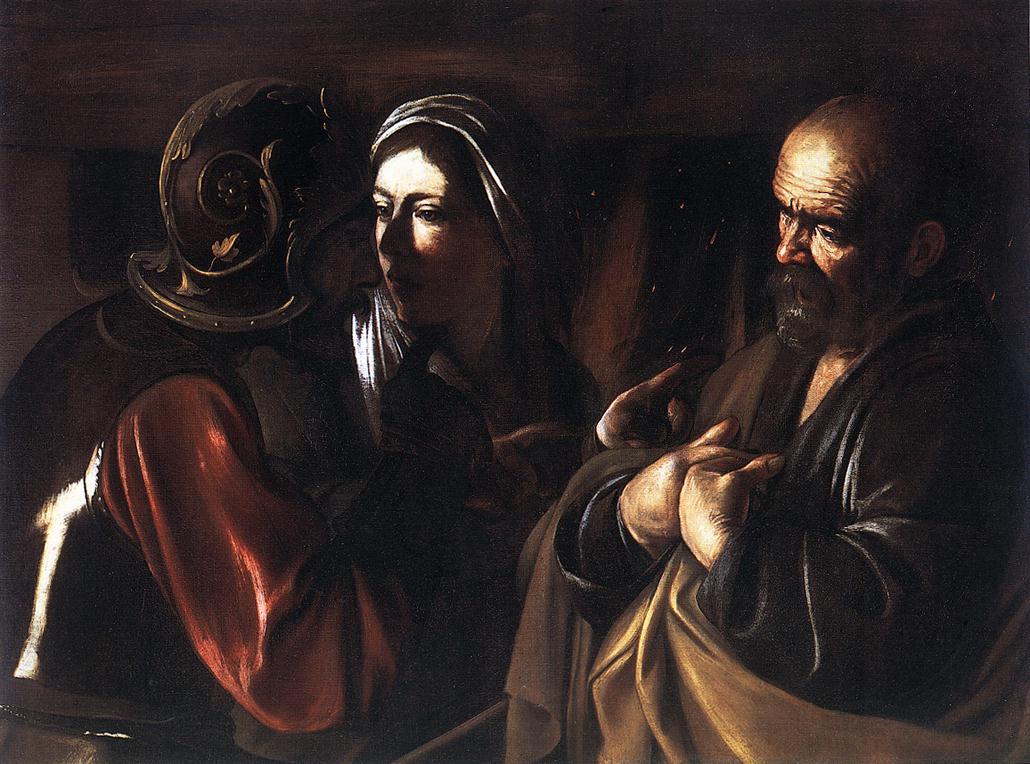
Be ready: for Christ’s return, for life’s storms, and for the questions that really matter.
The Ten VirginsMatthew 25:1–13
Of ten virgins waiting for the bridegroom, five bring extra oil and five don't. When he arrives at midnight, the ones who ran out have gone to buy more, and the door is shut.
No one knows when Christ will return, so we must be ready at all times. The oil stands for what can't be borrowed at the last minute: a faithful life.
Matthew 25:1–13 · Douay-Rheims Bible
Then shall the kingdom of heaven be like to ten virgins, who taking their lamps went out to meet the bridegroom and the bride. And five of them were foolish, and five wise. But the five foolish, having taken their lamps, did not take oil with them: But the wise took oil in their vessels with the lamps. And the bridegroom tarrying, they all slumbered and slept.
And at midnight there was a cry made: Behold the bridegroom cometh, go ye forth to meet him. Then all those virgins arose and trimmed their lamps. And the foolish said to the wise: Give us of your oil, for our lamps are going out. The wise answered, saying: Lest perhaps there be not enough for us and for you, go ye rather to them that sell, and buy for yourselves.
Now whilst they went to buy, the bridegroom came: and they that were ready, went in with him to the marriage, and the door was shut. But at last came also the other virgins, saying: Lord, Lord, open to us. But he answering said: Amen I say to you, I know you not. Watch ye therefore, because you know not the day nor the hour.
The Rich FoolLuke 12:16–21
A rich man with a bumper harvest decides to build bigger barns and take life easy. God tells him: "Fool! This night your soul is required of you; and the things you have prepared, whose will they be?"
Jesus told it as a warning against greed. Storing up only for this world while staying poor before God is the height of folly.
Luke 12:16–21 · Douay-Rheims Bible
The land of a certain rich man brought forth plenty of fruits. And he thought within himself, saying: What shall I do, because I have no room where to bestow my fruits? And he said: This will I do: I will pull down my barns, and will build greater; and into them will I gather all things that are grown to me, and my goods. And I will say to my soul: Soul, thou hast much goods laid up for many years, take thy rest; eat, drink, make good cheer.
But God said to him: Thou fool, this night do they require thy soul of thee: and whose shall those things be which thou hast provided? So is he that layeth up treasure for himself, and is not rich towards God.
The Watchful ServantsLuke 12:35–40
Servants who don't know when their master will return from the wedding wait ready to open the door at once. Finding them awake, the master serves them himself.
Christ will come at an unexpected hour, so believers must stay awake. Faithfulness doesn't change when the master isn't watching.
Luke 12:35–40 · Douay-Rheims Bible
Let your loins be girt, and lamps burning in your hands. And you yourselves like to men who wait for their lord, when he shall return from the wedding; that when he cometh and knocketh, they may open to him immediately. Blessed are those servants, whom the lord when he cometh, shall find watching.
Amen I say to you, that he will gird himself, and make them sit down to meat, and passing will minister unto them. And if he shall come in the second watch, or come in the third watch, and find them so, blessed are those servants.
But this know ye, that if the householder did know at what hour the thief would come, he would surely watch, and would not suffer his house to be broken open. Be you then also ready: for at what hour you think not, the Son of man will come.
The Faithful and the Foolish StewardLuke 12:42–48 · Matthew 24:45–51
A steward put in charge of feeding the other servants is blessed if his master finds him doing his job. If he thinks the master is delayed and starts beating the servants and getting drunk, the master will come when he least expects it.
It speaks especially to those who carry responsibility: authority isn't a privilege but a trust to be accounted for. "To whom much is given, much will be required."
Luke 12:42–48 · Douay-Rheims Bible
Who, thinkest thou, is the faithful and wise steward, whom his lord setteth over his family, to give them their measure of wheat in due season? Blessed is that servant, whom when his lord shall come, he shall find so doing. Verily I say to you, he will set him over all that he possesseth.
But if that servant shall say in his heart: My lord is long a coming; and shall begin to strike the men servants and maidservants, and to eat and to drink and to be drunk: The lord of that servant will come in the day that he hopeth not, and at the hour that he knoweth not, and shall separate him, and shall appoint him his portion with unbelievers.
And that servant who knew the will of his lord, and prepared not himself, and did not according to his will, shall be beaten with many stripes. But he that knew not, and did things worthy of stripes, shall be beaten with few stripes. And unto whomsoever much is given, of him much shall be required.
The Wise and Foolish BuildersMatthew 7:24–27 · Luke 6:46–49
Whoever hears Jesus' words and acts on them is like a wise man who built his house on rock; when the storm comes, it stands. Whoever hears and doesn't act built on sand, and the house falls.
Coming at the end of the Sermon on the Mount, it reminds us that both men heard the same words. The difference is whether they lived them.
Matthew 7:24–27 · Douay-Rheims Bible
Every one therefore that heareth these my words, and doth them, shall be likened to a wise man that built his house upon a rock, And the rain fell, and the floods came, and the winds blew, and they beat upon that house, and it fell not, for it was founded on a rock.
And every one that heareth these my words, and doth them not, shall be like a foolish man that built his house upon the sand, And the rain fell, and the floods came, and the winds blew, and they beat upon that house, and it fell, and great was the fall thereof.
6 parables
Parables of Stewardship
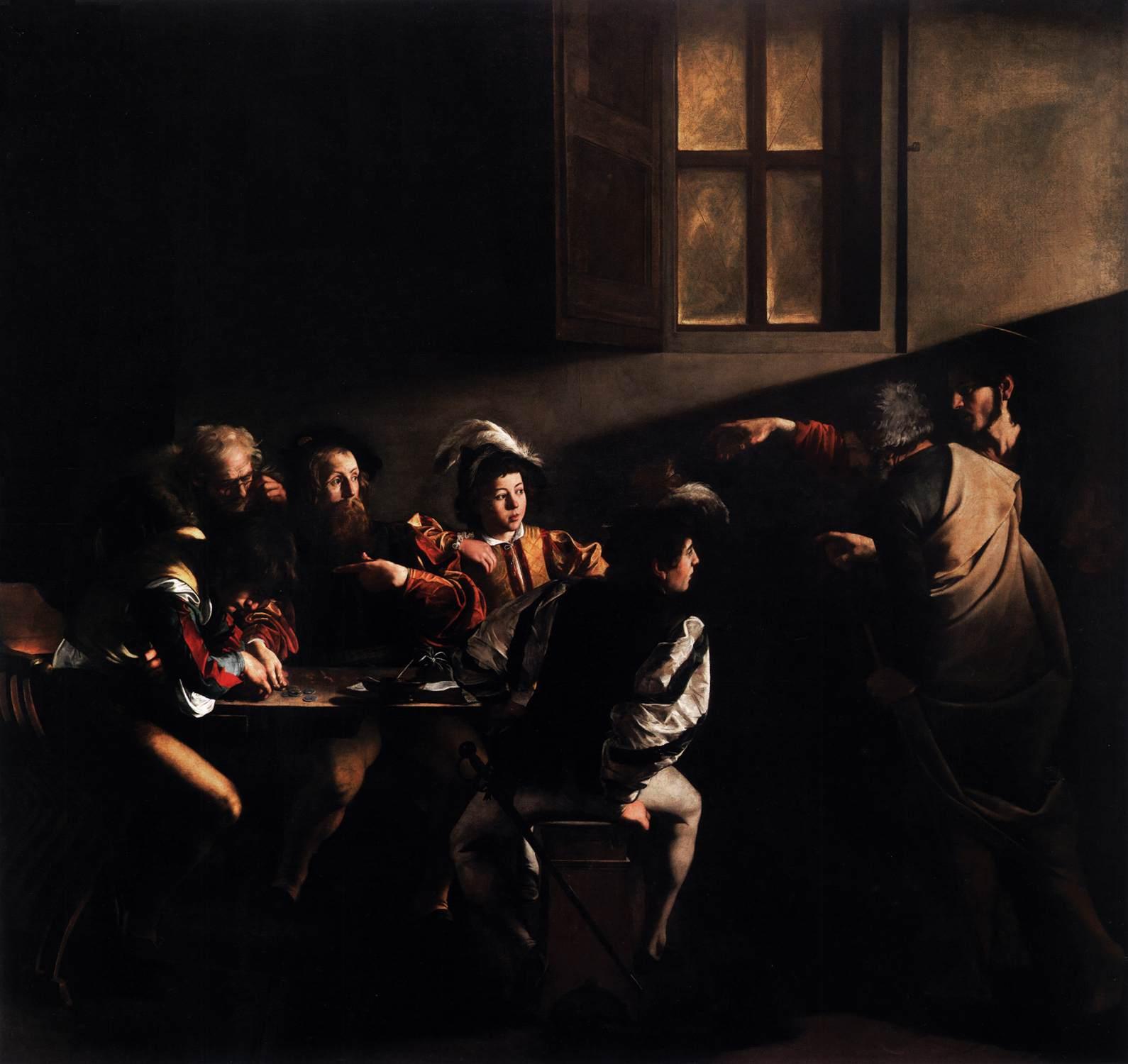
What we do with the gifts, time and money God trusts us with, and why his generosity doesn’t follow our idea of fair.
The TalentsMatthew 25:14–30
A master going on a journey entrusts five, two and one talents to three servants. The first two double the money; the third, afraid, buries it. The master rewards the first two and rebukes the third.
God entrusts each of us with different gifts, time and opportunities. The third servant's fault isn't that he received little, but that fear kept him from doing anything.
Matthew 25:14–30 · Douay-Rheims Bible
For even as a man going into a far country, called his servants, and delivered to them his goods. And to one he gave five talents, and to another two, and to another one, to every one according to his proper ability: and immediately he took his journey. And he that had received the five talents, went his way, and traded with the same, and gained other five. And in like manner he that had received the two, gained other two. But he that had received the one, going his way, digged into the earth, and hid his lord’s money.
But after a long time the lord of those servants came, and reckoned with them. And he that had received the five talents coming, brought other five talents, saying: Lord, thou didst deliver to me five talents, behold I have gained other five over and above. His lord said to him: Well done, good and faithful servant, because thou hast been faithful over a few things, I will place thee over many things: enter thou into the joy of thy lord.
And he also that had received the two talents came and said: Lord, thou deliveredst two talents to me: behold I have gained other two. His lord said to him: Well done, good and faithful servant: because thou hast been faithful over a few things, I will place thee over many things: enter thou into the joy of thy lord.
But he that had received the one talent, came and said: Lord, I know that thou art a hard man, thou reapest where thou hast not sown, and gatherest where thou hast not strewed. And being afraid I went and hid thy talent in the earth: behold here thou hast that which is thine. And his lord answering, said to him: Wicked and slothful servant, thou knewest that I reap where I sow not, and gather where I have not strewed: Thou oughtest therefore to have committed my money to the bankers, and at my coming I should have received my own with usury.
Take ye away therefore the talent from him, and give it to him that hath ten talents. For to every one that hath shall be given, and he shall abound: but from him that hath not, that also which he seemeth to have shall be taken away. And the unprofitable servant cast ye out into the exterior darkness. There shall be weeping and gnashing of teeth.
The Ten MinasLuke 19:11–27
A nobleman going to a far country to receive a kingdom gives each of ten servants a mina. On his return he gives cities to those who made it grow, and takes the coin from the one who kept it wrapped in a cloth.
Jesus told this cousin of the Talents as he neared Jerusalem: the Kingdom won't appear at once, but it will surely come, and until then we must work faithfully.
Luke 19:12–27 · Douay-Rheims Bible
A certain nobleman went into a far country, to receive for himself a kingdom, and to return. And calling his ten servants, he gave them ten pounds, and said to them: Trade till I come. But his citizens hated him: and they sent an embassage after him, saying: We will not have this man to reign over us.
And it came to pass, that he returned, having received the kingdom: and he commanded his servants to be called, to whom he had given the money, that he might know how much every man had gained by trading. And the first came saying: Lord, thy pound hath gained ten pounds. And he said to him: Well done, thou good servant, because thou hast been faithful in a little, thou shalt have power over ten cities. And the second came, saying: Lord, thy pound hath gained five pounds. And he said to him: Be thou also over five cities.
And another came, saying: Lord, behold here is thy pound, which I have kept laid up in a napkin. For I feared thee, because thou art an austere man: thou takest up what thou didst not lay down, and thou reapest that which thou didst not sow. He saith to him: Out of thy own mouth I judge thee, thou wicked servant. Thou knewest that I was an austere man, taking up what I laid not down, and reaping that which I did not sow: And why then didst thou not give my money into the bank, that at my coming I might have exacted it with usury?
And he said to them that stood by: Take the pound away from him, and give it to him that hath ten pounds. And they said to him: Lord, he hath ten pounds. But I say to you, that to every one that hath shall be given, and he shall abound: and from him that hath not, that also which he hath shall be taken from him.
The Dishonest ManagerLuke 16:1–13
A steward about to be fired reduces the debts of his master's debtors to win friends for later. His master praises his shrewdness, dishonest as the move is.
It's often called Jesus' hardest parable. What it praises isn't the dishonesty but the shrewd planning ahead. Believers should plan for their eternal future just as seriously, for no one can serve both God and money.
Luke 16:1–9 · Douay-Rheims Bible
There was a certain rich man who had a steward: and the same was accused unto him, that he had wasted his goods. And he called him, and said to him: How is it that I hear this of thee? give an account of thy stewardship: for now thou canst be steward no longer.
And the steward said within himself: What shall I do, because my lord taketh away from me the stewardship? To dig I am not able; to beg I am ashamed. I know what I will do, that when I shall be removed from the stewardship, they may receive me into their houses.
Therefore calling together every one of his lord’s debtors, he said to the first: How much dost thou owe my lord? But he said: An hundred barrels of oil. And he said to him: Take thy bill, and sit down quickly, and write fifty. Then he said to another: And how much dost thou owe? Who said: An hundred quarters of wheat. He said to him: Take thy bill, and write eighty.
And the lord commended the unjust steward, forasmuch as he had done wisely: for the children of this world are wiser in their generation than the children of light.
The Workers in the VineyardMatthew 20:1–16
A landowner hires workers at different hours from morning to evening, and pays them all the same wage, one denarius. When those hired first complain, he reminds them they got what was agreed.
Human fairness pays by the hour; God's grace gives generously. Someone who repents at the end of life can receive the same salvation, and that wrongs no one. The landowner's question says it all: why should my generosity make you envious?
Matthew 20:1–16 · Douay-Rheims Bible
The kingdom of heaven is like to an householder, who went out early in the morning to hire labourers into his vineyard. And having agreed with the labourers for a penny a day, he sent them into his vineyard. And going out about the third hour, he saw others standing in the market place idle. And he said to them: Go you also into my vineyard, and I will give you what shall be just. And they went their way.
And again he went out about the sixth and the ninth hour, and did in like manner. But about the eleventh hour he went out and found others standing, and he saith to them: Why stand you here all the day idle? They say to him: Because no man hath hired us. He saith to them: Go you also into my vineyard.
And when evening was come, the lord of the vineyard saith to his steward: Call the labourers and pay them their hire, beginning from the last even to the first. When therefore they were come, that came about the eleventh hour, they received every man a penny. But when the first also came, they thought that they should receive more: and they also received every man a penny.
And receiving it they murmured against the master of the house, Saying: These last have worked but one hour, and thou hast made them equal to us, that have borne the burden of the day and the heats. But he answering said to one of them: Friend, I do thee no wrong: didst thou not agree with me for a penny? Take what is thine, and go thy way: I will also give to this last even as to thee.
Or, is it not lawful for me to do what I will? is thy eye evil, because I am good? So shall the last be first, and the first last.
The Two SonsMatthew 21:28–32
A father asks his two sons to work in the vineyard. One says "I won't" but later goes; the other says "I will" but doesn't. Which one did his father's will?
Jesus told it to religious leaders who wouldn't listen to him: tax collectors and prostitutes who repent will enter the Kingdom ahead of those who look devout but don't obey. Real obedience shows in deeds, not words.
Matthew 21:28–32 · Douay-Rheims Bible
But what think you? A certain man had two sons; and coming to the first, he said: Son, go work to day in my vineyard. And he answering, said: I will not. But afterwards, being moved with repentance, he went. And coming to the other, he said in like manner. And he answering, said: I go, Sir; and he went not.
Which of the two did the father’s will? They say to him: The first. Jesus saith to them: Amen I say to you, that the publicans and the harlots shall go into the kingdom of God before you.
The Wicked TenantsMatthew 21:33–46 · Mark 12:1–12 · Luke 20:9–19
The tenants of a vineyard beat and kill the servants the owner sends to collect his share. At last they kill his son as well, to seize the inheritance.
The vineyard is God's people, the servants are the prophets, and the son is Jesus himself. The parable points to the rejected prophets and to Jesus' own death: abusing God's patience brings a heavy reckoning.
Matthew 21:33–41 · Douay-Rheims Bible
Hear ye another parable. There was a man an householder, who planted a vineyard, and made a hedge round about it, and dug in it a press, and built a tower, and let it out to husbandmen: and went into a strange country. And when the time of the fruits drew nigh, he sent his servants to the husbandmen that they might receive the fruits thereof.
And the husbandmen laying hands on his servants, beat one, and killed another, and stoned another. Again he sent other servants more than the former; and they did to them in like manner. And last of all he sent to them his son, saying: They will reverence my son.
But the husbandmen seeing the son, said among themselves: This is the heir: come, let us kill him, and we shall have his inheritance. And taking him, they cast him forth out of the vineyard, and killed him. When therefore the lord of the vineyard shall come, what will he do to those husbandmen? They say to him: He will bring those evil men to an evil end; and will let out his vineyard to other husbandmen, that shall render him the fruit in due season.
3 parables
Parables of Invitation and Judgment
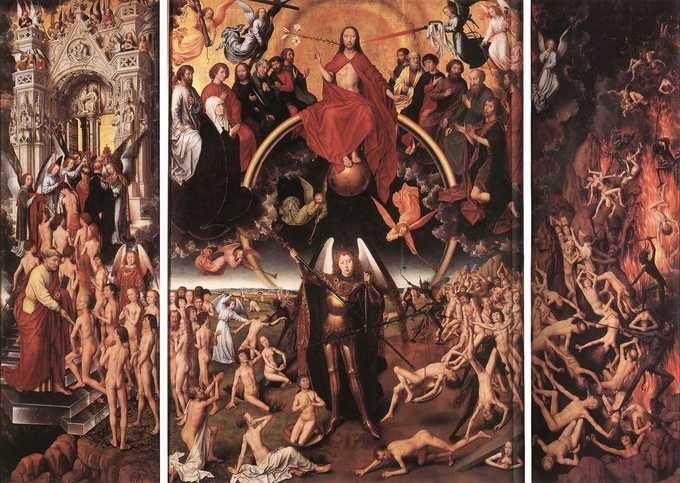
The invitation is open to everyone, and everyone will one day give an account.
The Great BanquetMatthew 22:1–14 · Luke 14:15–24
A host prepares a great banquet, but his guests make excuses and don't come. He sends his servants into the streets to bring in the poor, the crippled and the blind, and the hall fills up.
When the first guests refused, the invitation was opened to everyone, especially the outcasts. In Matthew's version, a guest without a wedding garment is thrown out: accepting the invitation isn't enough without a life to match it.
Matthew 22:2–14 · Douay-Rheims Bible
The kingdom of heaven is likened to a king, who made a marriage for his son. And he sent his servants, to call them that were invited to the marriage; and they would not come. Again he sent other servants, saying: Tell them that were invited, Behold, I have prepared my dinner; my beeves and fatlings are killed, and all things are ready: come ye to the marriage.
But they neglected, and went their ways, one to his farm, and another to his merchandise. And the rest laid hands on his servants, and having treated them contumeliously, put them to death. But when the king had heard of it, he was angry, and sending his armies, he destroyed those murderers, and burnt their city.
Then he saith to his servants: The marriage indeed is ready; but they that were invited, were not worthy. Go ye therefore into the highways; and as many as you shall find, call to the marriage. And his servants going forth into the ways, gathered together all that they found, both bad and good: and the marriage was filled with guests.
And the king went in to see the guests: and he saw there a man who had not on a wedding garment. And he saith to him: Friend, how camest thou in hither not having a wedding garment? But he was silent. Then the king said to the waiters: Bind his hands and feet, and cast him into the exterior darkness: there shall be weeping and gnashing of teeth. For many are called, but few are chosen.
The Rich Man and LazarusLuke 16:19–31
A rich man feasts every day while poor Lazarus lies hungry at his gate. Both die; Lazarus goes to Abraham's side, the rich man to torment. He asks that Lazarus be sent to warn his brothers, but is told that those who won't listen to Moses and the prophets won't be convinced even by someone rising from the dead.
The rich man's sin isn't his wealth but ignoring Lazarus at his door. The danger of wealth is that it can blind us to the needs of the poor.
Luke 16:19–31 · Douay-Rheims Bible
There was a certain rich man, who was clothed in purple and fine linen; and feasted sumptuously every day. And there was a certain beggar, named Lazarus, who lay at his gate, full of sores, Desiring to be filled with the crumbs that fell from the rich man’s table, and no one did give him; moreover the dogs came, and licked his sores.
And it came to pass, that the beggar died, and was carried by the angels into Abraham’s bosom. And the rich man also died: and he was buried in hell. And lifting up his eyes when he was in torments, he saw Abraham afar off, and Lazarus in his bosom: And he cried, and said: Father Abraham, have mercy on me, and send Lazarus, that he may dip the tip of his finger in water, to cool my tongue: for I am tormented in this flame.
And Abraham said to him: Son, remember that thou didst receive good things in thy lifetime, and likewise Lazarus evil things, but now he is comforted, and thou art tormented. And besides all this, between us and you, there is fixed a great chaos: so that they who would pass from hence to you, cannot, nor from thence come hither.
And he said: Then, father, I beseech thee, that thou wouldst send him to my father’s house, for I have five brethren, That he may testify unto them, lest they also come into this place of torments. And Abraham said to him: They have Moses and the prophets; let them hear them. But he said: No, father Abraham: but if one went to them from the dead, they will do penance. And he said to him: If they hear not Moses and the prophets, neither will they believe, if one rise again from the dead.
The Sheep and the GoatsMatthew 25:31–46
When the Son of Man comes in glory, he will separate the nations as a shepherd separates sheep from goats. To those on his right he gives the Kingdom, because they fed the hungry, welcomed the stranger and visited the sick and imprisoned: "Whatever you did for one of the very least of these brothers and sisters of mine, you did for me." Those who didn't are judged by the same words.
It's less a parable than a teaching on the Last Judgment. Its heart: Christ identifies himself with the neediest and most overlooked.
Matthew 25:31–46 · Douay-Rheims Bible
And when the Son of man shall come in his majesty, and all the angels with him, then shall he sit upon the seat of his majesty. And all nations shall be gathered together before him, and he shall separate them one from another, as the shepherd separateth the sheep from the goats: And he shall set the sheep on his right hand, but the goats on his left.
Then shall the king say to them that shall be on his right hand: Come, ye blessed of my Father, possess you the kingdom prepared for you from the foundation of the world. For I was hungry, and you gave me to eat; I was thirsty, and you gave me to drink; I was a stranger, and you took me in: Naked, and you covered me: sick, and you visited me: I was in prison, and you came to me.
Then shall the just answer him, saying: Lord, when did we see thee hungry, and fed thee; thirsty, and gave thee drink? And when did we see thee a stranger, and took thee in? or naked, and covered thee? Or when did we see thee sick or in prison, and came to thee? And the king answering, shall say to them: Amen I say to you, as long as you did it to one of these my least brethren, you did it to me.
Then he shall say to them also that shall be on his left hand: Depart from me, you cursed, into everlasting fire which was prepared for the devil and his angels. For I was hungry, and you gave me not to eat: I was thirsty, and you gave me not to drink. I was a stranger, and you took me not in: naked, and you covered me not: sick and in prison, and you did not visit me.
Then they also shall answer him, saying: Lord, when did we see thee hungry, or thirsty, or a stranger, or naked, or sick, or in prison, and did not minister to thee? Then he shall answer them, saying: Amen I say to you, as long as you did it not to one of these least, neither did you do it to me. And these shall go into everlasting punishment: but the just, into life everlasting.