Saints

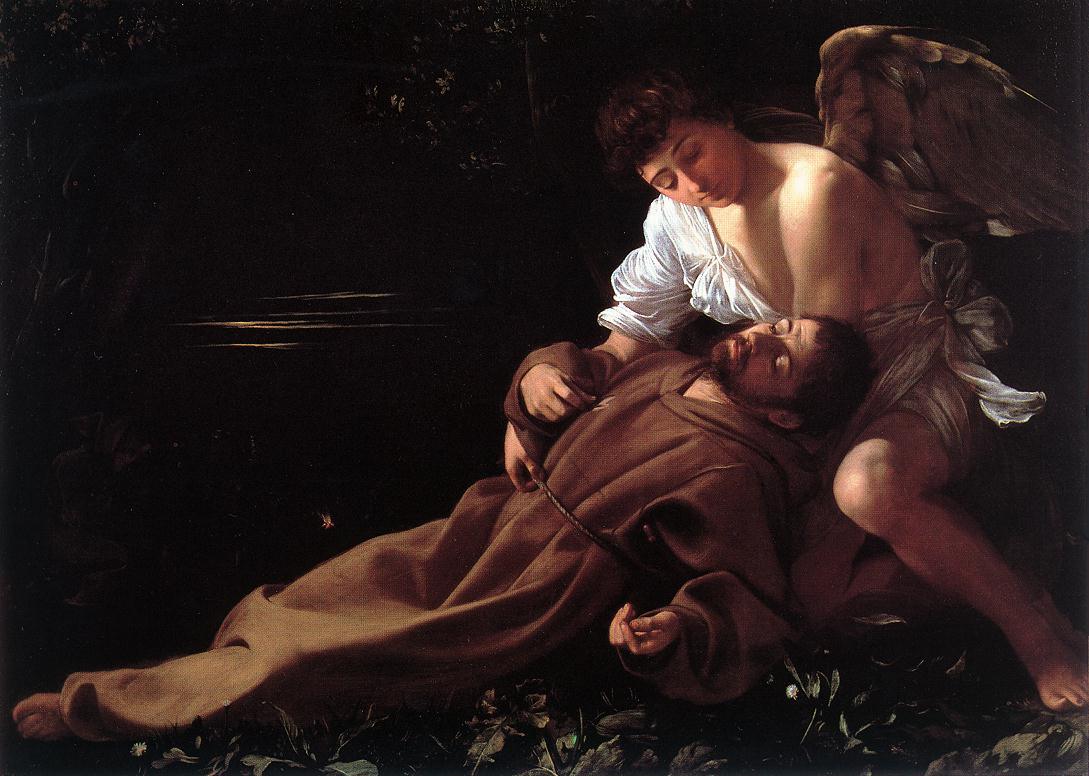
Caravaggio · Saint Francis of Assisi in Ecstasy

Every day of the year the Church remembers at least one saint: real people who showed that a life of faith can actually be lived.

Today ...

Enable JavaScript to see today's saint.

January

1Solemnity
Mary, Mother of GodMother of God

On the first day of the year, the Church celebrates one of the oldest Marian feasts: Mary's title as Theotokos, Mother of God. This title was formally recognized at the Council of Ephesus in 431; the Church Fathers argued that if Mary's Son is truly God, then Mary is truly the Mother of God. It also falls on the eighth day of Christmas, so the new year begins in Mary's care.

2Memorial
Basil the GreatBishop and Doctor of the Church

A great churchman who lived in fourth-century Cappadocia (in what is now the Kayseri region of Turkey) and became bishop of Caesarea. The rules he wrote for monastic life form the foundation of Eastern monasticism; he also built a large charitable complex of hospitals and shelters for the poor. His writings defending the divinity of the Holy Spirit safeguarded the Church's faith against Arianism.

Gregory of NazianzusBishop and Doctor of the Church

A close friend of Basil, and another great fourth-century Cappadocian theologian. He served as bishop of Constantinople and earned the title "the Theologian" through his sermons on the Holy Trinity. As one of the Cappadocian Fathers, he did much to make Christian teaching clear, above all that Christ is fully God and fully man.

3Optional Memorial
The Holy Name of Jesus

An optional memorial honoring the name of Jesus itself: “There is no other name under heaven given among men by which we must be saved” (Acts 4:12). The Franciscans and later the Jesuits spread the devotion from the Middle Ages on.

4Memorial
Elizabeth Ann SetonReligious

An American born in New York who converted to Catholicism after being widowed. In 1809 she founded the Sisters of Charity in Maryland and laid the foundations of the Catholic school system in the United States. Canonized in 1975, she is the first American-born saint.

5Memorial
John NeumannBishop

Born in Bohemia, he emigrated to the United States, was ordained there and became bishop of Philadelphia. He established America's first diocesan Catholic school system and spread the tradition of the Forty Hours' Devotion. He was the first American bishop to be canonized.

6Optional Memorial
André BessetteReligious

Born to a poor family in Quebec, he was too frail to hold down a job until the Congregation of Holy Cross finally took him on as a doorkeeper. He had a deep devotion to Saint Joseph, and so many people reported being healed after asking for his prayers that the great Saint Joseph's Oratory was built in Montreal, where pilgrims still come today.

7Optional Memorial
Raymond of PenyafortPriest

A Dominican friar born in Catalonia in the thirteenth century. At the request of Pope Gregory IX, he compiled and organized the Church's scattered canon law texts, a collection that remained the basic source of canon law for centuries. He also served as master general of the Dominican order and is known for his writings on confession and moral theology.

8Roman Martyrology
Severinus of NoricumPriest

A monk who lived in the fifth century in what is now Austria (Noricum). He is said to have foretold the withdrawal of Roman rule from the region and organized the local people against barbarian raids; he is regarded as one of the patron saints of Austria.

9Roman Martyrology
Adrian of CanterburyAbbot

A seventh-century Benedictine born in North Africa; he accompanied Theodore of Tarsus to England and, as abbot of a monastery near Canterbury, taught Latin, Greek, and Scripture for forty years.

10Roman Martyrology
William of BourgesBishop

A Cistercian monk in twelfth- and thirteenth-century France who became archbishop of Bourges. Even as a bishop he kept to his life of poverty and is remembered as an example of justice and simplicity.

11Roman Martyrology
Theodosius the CenobiarchAbbot

Born in Cappadocia in the fifth century, he went on to found a great communal monastery in the Palestinian desert. He had separate chapels built for monks of different languages, and was a pioneer in organizing Eastern communal monasticism.

12Roman Martyrology
Margaret BourgeoysVirgin

A teacher born in seventeenth-century France who emigrated to New France (present-day Montreal). She founded the colony's first school and established the Congregation of Notre-Dame, a traveling teaching community for the education of girls and Indigenous children.

13Optional Memorial
Hilary of PoitiersBishop and Doctor of the Church

Bishop of Poitiers in fourth-century Gaul (modern France), exiled for defending Christ's full divinity against Arianism. Known as "the Athanasius of the West," he wrote on the Holy Trinity, and his writings mark an important turning point in the development of Latin theology.

14Roman Martyrology
Felix of NolaPriest

A priest in the Italian city of Nola in the third century, who went into hiding and survived the persecution, then lived to old age serving the poor. His life is known in detail thanks to the poems of Saint Paulinus of Nola, who lived a century later.

15Roman Martyrology
Paul of ThebesHermit

Tradition says he was the first Christian hermit to go into the Egyptian desert, in the third century; he is said to have lived alone for more than ninety years. He is known for the legend that Anthony of Egypt, who visited him shortly before his death, dug his grave with the help of two lions.

16Roman Martyrology
Marcellus IPope and Martyr

Pope for a brief period in the early fourth century. Because of his strict stance on readmitting to the Church those who had lapsed from the faith, Emperor Maxentius exiled him, and he died in exile.

17Memorial
Anthony of EgyptAbbot

Born in Egypt in the third century, he gave away his wealth and withdrew into the desert; he is considered the pioneer of Christian monasticism. His decades of desert life, spent in solitude and spiritual struggle, went on to draw thousands into monastic life after him. His life is known through a biography written by Saint Athanasius, one of the most influential texts in the monastic tradition.

18Roman Martyrology
PriscaVirgin and Martyr

Tradition says she was a girl of only thirteen, martyred for her faith in first-century Rome. One of the oldest churches in Rome, Santa Prisca, is believed to have been built over her home.

19Roman Martyrology
Canute IVKing and Martyr

King of Denmark in the eleventh century, he faced a revolt by his own nobles while planning to reconquer England, and was killed while praying before the altar of a church. He is the patron saint of Denmark.

20Optional Memorial
FabianPope and Martyr

Tradition says that when Rome gathered to elect a new pope in the third century, a dove landed on his head, and the people and clergy chose him on the spot. During his fourteen-year papacy he organized the Church of Rome, and was martyred in 250 during the persecution launched by Emperor Decius.

SebastianMartyr

Tradition says he was an officer in the Roman army and a secret Christian, shot with arrows for his faith under Emperor Diocletian. He is said to have survived his wounds, only to be arrested again and killed. He is one of the most frequently depicted martyrs in art history, and is also venerated as a protector against plague.

21Memorial
AgnesVirgin and Martyr

A young girl martyred in early fourth-century Rome, only twelve or thirteen years old, for refusing marriage because she had consecrated her virginity to Christ. The Church has honored her courage since the first centuries; she is among the saints named in the Roman Canon of the Mass.

22Optional Memorial
Vincent of SaragossaDeacon and Martyr

Serving as deacon to the bishop of Saragossa in Spain at the end of the third century, he was martyred under Emperor Diocletian's persecution, refusing to renounce his faith despite unbearable torture. Remembered in liturgical poetry and hymns from a very early period, he is one of Christianity's first great deacon-martyrs.

23Optional Memorial
Marianne CopeReligious

A Franciscan sister born in Germany who emigrated to America. She volunteered to care for leprosy patients in Hawaii, founding hospitals and orphanages for the patient colony on the island of Molokai, where she served for more than thirty years. She continued the work of Saint Damien, who served on the same island, after his death.

24Memorial
Francis de SalesBishop and Doctor of the Church

Bishop of Geneva in sixteenth- and seventeenth-century Savoy, his patience and gentleness won whole regions that had turned Protestant back to the Catholic faith. In his work "Introduction to the Devout Life," he taught that holiness is open not only to priests and religious, but to ordinary people of every walk of life. He is considered the patron saint of the Catholic press.

25Feast
The Conversion of Saint Paul the Apostle

The day Saul, a Pharisee who persecuted Christians, met the risen Christ on the road to Damascus, was struck blind, then came to faith, was baptized, and took the name Paul. Recounted in the Acts of the Apostles, it is the best-known conversion in Christian history, and marks the beginning of the journey that made Paul the Apostle to the Gentiles.

26Memorial
Timothy and TitusBishops

The two closest disciples and traveling companions of the Apostle Paul. Timothy is remembered as the first bishop of Ephesus, and Titus of Crete. Paul wrote two of the New Testament letters to Timothy and one to Titus; these letters are among the early Church's basic sources on the governance of young churches and the qualities required of bishops.

27Optional Memorial
Angela MericiVirgin

In fifteenth- and sixteenth-century Italy, she founded the Company of Saint Ursula (the Ursulines), devoted to the education of girls. In a way unusual for her time, she championed women living in their own homes rather than cloistered in a convent, offering education and service within society; this vision deeply influenced the development of women's teaching orders in later centuries.

28Memorial
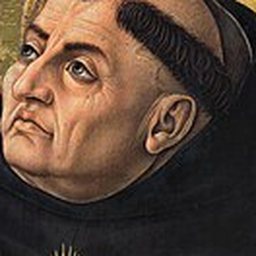
Thomas AquinasPriest and Doctor of the Church

A Dominican friar who lived in thirteenth-century Italy, one of the most influential theologians in Church history. His vast work "Summa Theologiae," which unites Aristotelian philosophy with Christian theology, was the basic reference point of Catholic thought for centuries. He is known as "the Angelic Doctor" and is the patron saint of Catholic schools.

29Roman Martyrology
Gildas the WisePriest

A monk and historian who lived in sixth-century Britain. His work "On the Ruin and Conquest of Britain" is one of the oldest written sources we have on post-Roman Britain.

30Roman Martyrology
Hyacintha MariscottiVirgin

A Franciscan sister in sixteenth- and seventeenth-century Italy who at first lived a comfortable, showy life in her convent, then, after a serious illness, was truly converted and spent the rest of her life in fasting and service to the poor.

31Memorial
John BoscoPriest

A priest in nineteenth-century Italy devoted to the poor and homeless youth of Turin. He founded oratories to teach them trades and keep them off the streets through play and education, work that led to the birth of the Salesian order. He is known for what he called the "preventive system," an educational approach based on love and reason rather than punishment; he is the patron saint of youth.

February

1Roman Martyrology
Brigid of KildareVirgin

A fifth- to sixth-century Irish saint, the best-loved saint in Ireland after Patrick. She founded a mixed monastery of men and women at Kildare and is remembered through countless folk legends of her generosity. She is one of the patron saints of Ireland.

2Feast
The Presentation of the Lord

Remembers Mary and Joseph presenting the infant Jesus in the Temple in Jerusalem forty days after his birth, as Jewish law required. According to the Gospel of Luke, the elderly Simeon takes Jesus in his arms and calls him "a light to the nations." Because of the tradition of blessing candles on this feast, it is also known as Candlemas; it is also a day of prayer for those in consecrated life.

3Optional Memorial
BlaiseBishop and Martyr

A bishop in what is now Armenia in the early fourth century, martyred during the persecution of Christians. Tradition says he miraculously healed a child choking on a fishbone; this is the origin of the custom of blessing throats on this day with two crossed candles.

AnsgarBishop

A ninth-century monk of Frankish origin who went to Denmark and Sweden to bring Christianity to northern Europe. He served as bishop of Hamburg-Bremen and is called "the Apostle of the North" for persisting in his mission despite great resistance and setbacks.

4Roman Martyrology
John de BrittoPriest and Martyr

A seventeenth-century Portuguese Jesuit missionary who preached in the Madurai region of India, adopting local dress and customs, and was finally martyred by order of a local prince.

5Memorial
AgathaVirgin and Martyr

A young Christian woman of noble birth in third-century Sicily. She had consecrated her virginity to Christ, so she refused the advances of a Roman governor, and was martyred after cruel torture. She is still held in great honor in Sicily, especially in Catania, today.

6Memorial
Paul Miki and CompanionsMartyrs

One of twenty-six people crucified in Japan in 1597, during a period when Christianity was banned; among them were Jesuit and Franciscan priests, missionaries, and ordinary Japanese Christians. Tradition says that Miki, a Jesuit preacher, kept preaching to the crowd even from the cross. They are Japan's first canonized martyrs.

7Roman Martyrology
ColetteVirgin

A reforming nun in fourteenth- and fifteenth-century France who returned the Poor Clares to their original ideal of strict poverty. The Colettine Poor Clares, which still exist today, take their name from her.

8Optional Memorial
Jerome EmilianiFounder

First a soldier in sixteenth-century Venice, he underwent a conversion after being taken captive and devoted his life to orphaned and poor children. He founded orphanages and hospitals for them and laid the foundation of the Somaschi Fathers. He is the patron saint of abandoned children.

Josephine BakhitaVirgin

Born in Sudan, she was kidnapped as a child by slave traders and bought and sold for years as a slave. Taken to Italy, she gained her freedom, converted to Catholicism, and became a Canossian sister. Despite all she suffered, she is known for her forgiving, joyful character; she is the patron saint of the modern movement against slavery and of victims of human trafficking.

9Roman Martyrology
ApolloniaVirgin and Martyr

An elderly woman of third-century Alexandria. During a persecution her teeth were smashed and pulled out, and when she was threatened with being burned alive, she walked into the fire herself. She is regarded as the patron saint of those with toothache and of dentists.

10Memorial
ScholasticaVirgin

The twin sister of Saint Benedict of Nursia, considered one of the pioneers of women's monasticism. Tradition holds that the siblings met once a year to speak of God, and at their last meeting a storm arose through Scholastica's prayer to keep her brother from leaving.

11Optional Memorial
Our Lady of Lourdes

Remembers the apparitions of Mary, approved by the Church, to a young girl, Bernadette Soubirous, eighteen times in 1858 in the French town of Lourdes. The spring at the site of the apparitions has since become a center of healing and prayer visited by millions of pilgrims. This day is also celebrated as World Day of the Sick.

12Roman Martyrology
Humility of FaenzaReligious

A woman of thirteenth-century Italy who, with her husband's consent, left her marriage to enter a convent, and later founded the first convent of Vallombrosan nuns.

13Roman Martyrology
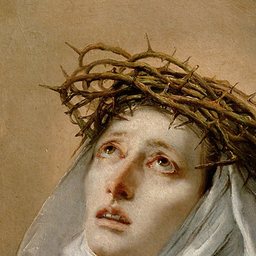
Catherine dei RicciVirgin

A Dominican sister in sixteenth-century Italy. She is known for her deep devotion to the Passion of Christ and for weekly ecstasies that lasted for hours.

14Memorial
Cyril and MethodiusBrothers, Apostles to the Slavs

Two brothers born in ninth-century Thessalonica who developed a writing system, the basis of the Cyrillic alphabet, to bring Christianity to the Slavic peoples in their own language, and translated Scripture and the liturgy into that tongue. Their work left a lasting mark on the Christianization of Slavic cultures and the birth of their written culture. They are counted among the co-patron saints of Europe.

15Roman Martyrology
Claude La ColombièrePriest

A Jesuit priest in seventeenth-century France. He became the spiritual director of Saint Margaret Mary Alacoque and played a key role in spreading devotion to the Sacred Heart of Christ throughout the Church.

16Roman Martyrology
Onesimus

The runaway slave who is the subject of the Apostle Paul's short letter to Philemon; Paul brought him to Christianity and sent him back to his master, asking that he be treated as a brother. Tradition holds that Onesimus later became a bishop.

17Optional Memorial
The Seven Founders of the Servite Order

Seven merchants in thirteenth-century Florence who left worldly life to live a life devoted to Mary. The community they founded became the Servite Order (Servants of Mary), known for its devotion to the Sorrows of Mary. They are remembered together because they answered the call together.

18Roman Martyrology
Simeon of JerusalemBishop and Martyr

After the death of James (the first bishop of Jerusalem), he became the second bishop of the Jerusalem Church, and tradition counts him a relative of Jesus. He was martyred by crucifixion at an advanced age under Emperor Trajan.

19Roman Martyrology
Conrad of PiacenzaHermit

A noble huntsman in fourteenth-century Italy who underwent a profound conversion after a fire he accidentally started led to another man being wrongly accused and executed; he spent the rest of his life in desert solitude.

20Roman Martyrology
Wulfric of HaselburyHermit

A hermit in twelfth-century England, first a village priest, who after a pilgrimage shut himself in a small cell beside his church and spent the rest of his life there, gaining such a reputation for wisdom that even kings came to consult him.

21Optional Memorial
Peter DamianBishop and Doctor of the Church

First a hermit monk in eleventh-century Italy, he later played an important role in Church reform as a cardinal-bishop. Known for his sharp criticism of laxity and abuse among the clergy, he was a leading figure in the effort to restore Church discipline in his time.

22Feast
The Chair of Saint Peter the Apostle

This feast celebrates not a particular person, but the ministry of teaching and unity entrusted to the Apostle Peter and his successors, the popes. The "chair" here symbolizes not a literal seat but the authority Peter carries as the lasting foundation of the Church's unity and doctrine, recalling the commission Christ gave him in the Gospel of Matthew.

23Memorial
PolycarpBishop and Martyr

Bishop of Smyrna (modern İzmir) in the second century, one of the great figures of the early Church, held to be a disciple of the Apostle John. Over ninety years old and pressured to renounce his faith, he refused, saying, "Eighty-six years I have served him, and he has done me no wrong," and was martyred by being burned alive. The account of his martyrdom is one of the oldest and most detailed in Church history.

24Roman Martyrology
Praetextatus of RouenBishop and Martyr

Bishop of Rouen in the sixth century, killed during Mass in his own church by order of a Frankish queen, Fredegund.

25Roman Martyrology
WalburgaVirgin

An eighth-century Benedictine nun, born in England, who went to Germany as a missionary together with her brothers Willibald and Winibald. She became abbess of the monastery at Heidenheim; a liquid said to flow from her tomb is believed to bring healing.

26Roman Martyrology
Nestor of MagydosBishop and Martyr

A bishop in the third century in what is now southern Turkey (Pamphylia, Magydos), martyred by crucifixion during Emperor Decius's persecution.

27Optional Memorial
Gregory of NarekAbbot and Doctor of the Church

An Armenian monk, poet, and mystical theologian who lived in the tenth century in what is now Armenia. He is known for his "Book of Lamentations," a long poetic work on prayer and repentance. He was declared a Doctor of the Church by Pope Francis in 2015, representing a shared heritage between Eastern and Western Christianity.

28Roman Martyrology
Romanus of CondatAbbot

A monk in fifth-century Gaul (the Jura Mountains, on today's French-Swiss border) who withdrew into the wilderness and became abbot of a monastic community that grew up around him over time; his sister founded a nearby women's monastery.

29Roman Martyrology
Oswald of WorcesterBishop

Archbishop of York in tenth-century England, one of the three pioneers of the Benedictine monastic reform (Dunstan, Aethelwold, and Oswald). Because the day of his death, February 29, comes only once every four years, his memorial is usually observed on February 28.

March

1Roman Martyrology
David of WalesBishop

A bishop who lived in sixth-century Wales and founded one of the region's most important monasteries. He lived simply, teaching his monks to be content with only bread, vegetables, and water. He is the patron saint of Wales.

2Roman Martyrology
Chad of MerciaBishop

An Anglo-Saxon who became bishop of Mercia and Lindsey in seventh-century England. He is known for his humility and his insistence on traveling on foot; he is said to have preferred walking even to the horse given him for his episcopal duties.

3Optional Memorial
Katharine DrexelVirgin

The daughter of a wealthy Philadelphia banking family, she rejected her great fortune to devote herself to the education of Native American and African American communities. She founded the Sisters of the Blessed Sacrament and opened dozens of schools across the country. She is the second American-born saint.

4Optional Memorial
CasimirPrince

A prince of the Polish-Lithuanian royal family in the fifteenth century. Though he could have become king, he was known for his deep piety and devotion to the poor, and died of tuberculosis at a young age. Despite the luxury of the court, he is held up as an example for his simple, prayerful life; he is the patron saint of Poland and Lithuania.

5Roman Martyrology
John Joseph of the CrossPriest

An Alcantarine Franciscan friar in seventeenth- and eighteenth-century Italy. He is known for his extreme asceticism and intense life of prayer, and was greatly venerated in the Naples region.

6Roman Martyrology
Chrodegang of MetzBishop

A Frankish churchman who became bishop of Metz in the eighth century. The rule he wrote for clergy to live in community became one of the foundations of the Western tradition of canonical life.

7Memorial
Perpetua and FelicityMartyrs

Two young women martyred in 203 in Carthage (in modern Tunisia). Perpetua was of noble family, a young mother with an infant; Felicity was her slave, and had given birth in prison. Both were thrown to wild beasts in the arena. The diary Perpetua kept in prison is considered one of the oldest surviving texts written by a Christian woman.

8Optional Memorial
John of GodFounder

After years of soldiering and vagrancy in sixteenth-century Portugal and Spain, he underwent a profound conversion and devoted his life to the sick and the poor. The hospital he founded in Granada became the beginning of the Hospitaller Order (Fatebenefratelli), which still serves in hospitals worldwide today. He is among the patron saints of hospitals and the sick.

9Optional Memorial
Frances of RomeReligious

A woman in fourteenth- and fifteenth-century Rome who married into a noble family, and, while remaining a wife and mother, devoted herself to serving the poor. After her husband's death, she founded a community so that married women could live a devout life without abandoning their earthly duties. She is the patron saint of the city of Rome.

10Roman Martyrology
Macarius of JerusalemBishop

Bishop of Jerusalem in the fourth century and took part in the First Council of Nicaea. He is said to have guided Helena, mother of Emperor Constantine, in her search for the site of the Holy Sepulchre.

11Roman Martyrology
Eulogius of CórdobaPriest and Martyr

A priest who lived in ninth-century Muslim-ruled Spain (Córdoba). He recorded the life stories of Christians martyred during a period of persecution, and was eventually executed himself for hiding a Christian girl.

12Roman Martyrology
The Anniversary of the Death of Gregory the Great

Today, March 12, is the anniversary of the death, in 604, of Pope Gregory the Great, who is commemorated as a Doctor of the Church on September 3. This was his original commemoration in the old Roman calendar; it was later moved to the date of his episcopal ordination, September 3.

13Roman Martyrology
Patricia of NaplesVirgin

An eighth-century saint believed to have come from the Byzantine imperial family, who gave up her wealth and went to Naples to live a devout life there. She is one of the patron saints of Naples; as with Saint Januarius, her blood is believed to liquefy.

14Roman Martyrology
MatildaQueen

A tenth-century queen, wife of Henry I, king of the Germans. After her husband's death she used her wealth for monasteries and the poor, and worked to secure peace despite family disputes.

15Roman Martyrology
Louise de MarillacVirgin

A Frenchwoman of the sixteenth and seventeenth centuries who, together with Saint Vincent de Paul, founded the Daughters of Charity. She developed a model of a women's community that served the poor directly in the streets and in homes, without being cloistered in a convent.

16Roman Martyrology
Heribert of CologneBishop

A churchman and statesman who became archbishop of Cologne and chief advisor to Emperor Otto III in the tenth and eleventh centuries. Legend remembers him praying for rain for the people during a drought.

17Optional Memorial
PatrickBishop

Born in Britain in the fifth century, he was kidnapped by pirates at a young age and taken to Ireland as a slave. Years after escaping, he became a priest and voluntarily returned to Ireland, largely Christianizing the island. Tradition holds that he used the three-leafed shamrock to explain the Holy Trinity. He is the patron saint of Ireland.

18Optional Memorial
Cyril of JerusalemBishop and Doctor of the Church

Bishop of Jerusalem in the fourth century, exiled three times over disputes concerning Arianism. His catechetical lectures given to new Christians before and after baptism survive today as one of the most valuable sources on the early period of Christian initiation.

19Solemnity
JosephHusband of Mary

According to the Gospels, the betrothed of Mary and the foster father of Christ; a carpenter descended from the line of David. Trusting the word of the angel who came to him in a dream, he took Mary as his wife, and fulfilled his role as head of the Holy Family with a silent but unshakable faithfulness, fleeing with Jesus to Egypt and protecting him. He has been declared the patron saint of the Universal Church.

20Roman Martyrology
Cuthbert of LindisfarneBishop

A shepherd boy in seventh-century England who became a monk, then bishop of Lindisfarne. He preferred to live as a hermit on a remote island, and is known for his love of nature and seabirds. He is one of the most beloved saints of northern England.

21Roman Martyrology
Nicholas of FlüeHermit

A Swiss farmer and father of ten in the fifteenth century who, with his family's consent, went to live alone as a hermit. He is known for his peaceful mediation that prevented the Swiss Confederation from being drawn into civil war; he is the patron saint of Switzerland.

22Roman Martyrology
Nicholas OwenReligious and Martyr

A Jesuit brother in sixteenth- and seventeenth-century England who built hidden compartments in houses to shelter priests during a period of persecution. He was eventually captured and died under torture, without betraying anyone.

23Optional Memorial
Turibius of MogrovejoBishop

A lawyer sent from Spain to Peru in the sixteenth century, appointed archbishop of Lima while not yet even a priest. For more than twenty-five years he repeatedly crossed the rugged Andes to visit every corner of his diocese, learning the languages of the Indigenous peoples and defending them. He is regarded as a pioneer among the bishops of Latin America.

24Roman Martyrology
Catherine of SwedenVirgin

The daughter of Saint Bridget of Sweden in the fourteenth century. She accompanied her mother on her pilgrimages to Rome, and, after her mother's death, worked as abbess of the Bridgettine order to win Church approval for its rule.

25Solemnity
The Annunciation of the Lord

Remembers the Archangel Gabriel's coming to Mary to announce that she would become the mother of Christ, and Mary's acceptance of this call with the words, "be it done to me according to thy word." At that moment the Word (Logos) took on human flesh: the Incarnation. It is no coincidence that it falls nine months before Christmas.

26Roman Martyrology
LudgerBishop

A missionary in the Frisian and Saxon regions in the eighth and ninth centuries, and became the first bishop of Münster.

27Roman Martyrology
John of EgyptHermit

A desert father in fourth-century Egypt who lived in solitude in a cave for more than fifty years, known for his gift of prophecy and healing; even Emperor Theodosius came to seek his counsel.

28Roman Martyrology
Sixtus IIIPope

Pope in the fifth century, who had the rebuilding of the Basilica of Santa Maria Maggiore in Rome completed immediately after the Council of Ephesus declared Mary the Mother of God.

29Roman Martyrology
Jonas and BarachisiusMartyrs

Two monk brothers in the fourth-century Persian Empire, captured and tortured to death for comforting Christian prisoners.

30Roman Martyrology
John ClimacusPriest

A monk who lived on Mount Sinai in the sixth and seventh centuries. His work "The Ladder of Divine Ascent," describing virtue in thirty steps, is one of the most influential manuals of Eastern monasticism.

31Roman Martyrology
BenjaminDeacon and Martyr

A deacon in the fifth-century Persian Empire, tortured to death after a year in prison for refusing to stop preaching his faith.

April

1Roman Martyrology
Hugh of GrenobleBishop

Bishop of Grenoble in eleventh- and twelfth-century France, who held the office for more than fifty years. He provided the land for Saint Bruno to found a monastery in the Chartreuse region, contributing to the birth of the Carthusian order.

2Optional Memorial
Francis of PaolaHermit

A fifteenth-century hermit from Calabria, in southern Italy, who went to live in a cave as a young man and founded the Order of Minims with the disciples who gathered around him. Known for his extreme fasting and harsh poverty, he became so renowned for wisdom and miracles that even kings sought his counsel.

3Roman Martyrology
Richard of ChichesterBishop

Bishop of Chichester in thirteenth-century England. The famous prayer attributed to him ("may I know thee more clearly, love thee more dearly, and follow thee more nearly") is still widely used today.

4Optional Memorial
Isidore of SevilleBishop and Doctor of the Church

Bishop of Seville in Spain in the sixth and seventh centuries. Through his vast encyclopedic work "Etymologiae," he gathered the knowledge of the ancient world after the fall of the Roman Empire and carried it into the Middle Ages. Because of it he is often called the patron saint of the internet and of computer users.

5Optional Memorial
Vincent FerrerPriest

A Dominican preacher who lived in fourteenth- and fifteenth-century Spain. He traveled across Europe preaching fiery sermons on repentance, and worked to restore unity during the Great Western Schism. Thousands are said to have been converted by his preaching.

6Roman Martyrology
Notker the StammererPriest

A Benedictine monk, poet, and musician who lived in ninth-century Switzerland (the Abbey of St. Gallen). He is considered one of the pioneers of the sequence, a form of liturgical hymn.

7Memorial
John Baptist de la SallePriest

A priest of noble family in seventeenth- and eighteenth-century France. He gave up his fortune to devote himself to the free education of poor children, and opened one of the first regular teacher-training institutions. The Brothers of the Christian Schools (De La Salle Brothers) he founded still run schools worldwide today; he is the patron saint of teachers.

8Roman Martyrology
Julie BilliartVirgin

A Frenchwoman of the eighteenth and nineteenth centuries who was miraculously healed after more than twenty years of paralysis. She founded the Sisters of Notre Dame for the education of girls.

9Roman Martyrology
WaltrudeReligious

A noblewoman in seventh-century Belgium, canonized together with her husband. After her marriage she withdrew into a convent and became the patron saint of the city of Mons.

10Roman Martyrology
Fulbert of ChartresBishop

A scholar who became bishop of Chartres in the tenth and eleventh centuries and began the rebuilding of the famous Chartres Cathedral. He turned the school of Chartres into one of Europe's leading centers of learning.

11Memorial
StanislausBishop and Martyr

Bishop of Kraków in eleventh-century Poland, killed by order of King Bolesław II for openly criticizing the king's injustices. He is one of the patron saints of Poland, held up as an example for clergy who stand against injustice.

12Roman Martyrology
Julius IPope

Pope in the fourth century, who sheltered and defended Athanasius in exile against Arianism. He began the construction of several churches in Rome.

13Optional Memorial
Martin IPope and Martyr

Pope in the seventh century, arrested and taken to Constantinople for opposing the heresy of Monothelitism (the teaching that Christ has only one will), which was backed by the Byzantine emperor; he died in Crimea after mistreatment and exile. He is the last pope venerated as a martyr.

14Roman Martyrology
Lidwina of SchiedamVirgin

A Dutch girl of the fourteenth and fifteenth centuries who was left bedridden for life after an ice-skating accident at fifteen. Because she lived her long suffering in union with the Passion of Christ, she became the patron saint of the chronically ill.

15Roman Martyrology
Paternus of AvranchesBishop

A hermit who became a bishop in sixth-century Gaul (France).

16Roman Martyrology
Bernadette SoubirousVirgin

A poor miller's daughter in nineteenth-century France, to whom Mary appeared at Lourdes. She held simply and firmly to her story in front of everyone who doubted her, and later entered a convent, where she lived quietly.

17Roman Martyrology
Stephen HardingAbbot

Born in eleventh- and twelfth-century England, he was the third abbot of Cîteaux Abbey and one of its true founders. He wrote the Carta Caritatis (Charter of Charity), the foundational rule of the Cistercian order.

18Roman Martyrology
Galdinus of MilanBishop

Archbishop of Milan in the twelfth century and fought the Cathar heresy that had spread through the city with fiery sermons. He died in the pulpit.

19Roman Martyrology
Alphege of CanterburyBishop and Martyr

Archbishop of Canterbury in the eleventh century, taken hostage by Viking raiders and He was killed because he would not let a ransom be raised for him: he refused to see his people squeezed any further.

20Roman Martyrology
Agnes of MontepulcianoVirgin

A Dominican sister in thirteenth- and fourteenth-century Italy, elected abbess of a convent at only fifteen. She was greatly admired by Saint Catherine of Siena, and was famous for her miracles.

21Optional Memorial
Anselm of CanterburyBishop and Doctor of the Church

A Benedictine of Italian origin who lived in the eleventh and twelfth centuries; as archbishop of Canterbury he defended the Church's freedom in the conflicts between the king and the Church in England. His motto was "I believe so that I may understand," and his famous "ontological argument" for the existence of God made him one of the founders of medieval philosophy.

22Roman Martyrology
Opportuna of MontreuilVirgin

Abbess of a convent in eighth-century Normandy; she is said to have suffered great grief on hearing that her brother, Bishop Chrodegang, had died on his way back from a pilgrimage.

23Optional Memorial
GeorgeMartyr

Tradition says he was an officer in the Roman army, martyred for his faith under Emperor Diocletian around the year 300. Few historical details survive, but from the earliest times he was honored as a brave soldier who gave his life for Christ. The famous legend of George and the dragon made him the patron saint of many countries.

Adalbert of PragueBishop and Martyr

Bishop of Prague in the tenth century and was a missionary in Central and Eastern Europe. He was martyred while trying to bring the Gospel to the pagan Prussians on the Baltic coast. He is one of the patron saints of Poland, the Czech Republic, and Hungary.

24Optional Memorial
Fidelis of SigmaringenPriest and Martyr

First a lawyer in sixteenth- and seventeenth-century Germany, he later became a Capuchin friar. He was killed by an angry mob while doing missionary work in a Swiss region with intense Protestant-Catholic tension. He is the first martyr of the Capuchin missionaries.

25Feast
Mark the Evangelist

Tradition says he was the Apostle Peter's interpreter and close companion, and that he wrote his Gospel from Peter's preaching in Rome. The shortest of the four Gospels, and probably the oldest, it tells the story simply and at a fast pace. He is traditionally regarded as the founder of the Church of Alexandria; his symbol is the winged lion.

26Roman Martyrology
CletusPope and Martyr

The third bishop of Rome (pope) after the Apostle Peter, in the first century, traditionally said to have died a martyr. He is one of the first popes named in the Roman Canon of the Mass.

27Roman Martyrology
ZitaVirgin

A girl of thirteenth-century Italy who worked as a servant in the same household from age twelve until her death. She is said to have shared her bread with the poor and always done her work as a prayer. She is the patron saint of domestic workers.

28Optional Memorial
Peter ChanelPriest and Martyr

A priest in nineteenth-century France, later a missionary sent to the island of Futuna in the Pacific. He was killed by the men of a local chief who was angry that his son had been baptized. He is the first martyr of Oceania; the people of his island converted to Christianity en masse shortly after his death.

Louis de MontfortPriest

A traveling missionary in seventeenth- and eighteenth-century France who preached among the poor. He is known for his work "True Devotion to Mary," on consecration to Christ through Mary; this work influenced many saints and popes in later centuries.

29Memorial
Catherine of SienaVirgin and Doctor of the Church

Born in fourteenth-century Italy, the daughter of an ordinary family with more than twenty-five children. Without entering a convent, she lived a deep life of prayer at home, and worked actively for the popes' return from Avignon to Rome. Although she could barely read, her letters and her book "The Dialogue" make her one of the most influential mystics in the Church's history. She is one of the co-patron saints of Europe.

30Optional Memorial
Pius VPope

A Dominican who became pope in the sixteenth century. He put the decrees of the Council of Trent into practice, and had the Roman Missal and the Roman Catechism published. His papacy was one of the decisive periods in carrying out the Catholic Reformation (the Counter-Reformation).

May

1Optional Memorial
Saint Joseph the Worker

Today the Church remembers Joseph not as Mary's husband but as a working carpenter. The feast was set up in 1955 by Pope Pius XII to coincide with May Day, International Workers' Day. It reminds us that labor is a dignified activity that shares in God's work of creation, and that workers' rights must be defended.

2Memorial
AthanasiusBishop and Doctor of the Church

Bishop of Alexandria in the fourth century, who fought a relentless lifelong battle against Arianism, defending the truth that Christ is of the same substance as the Father. He was exiled five times for this. His resolve was decisive in ensuring that the Creed of the Council of Nicaea (325) took root in the Church.

3Feast
The Apostles Philip and James

Two apostles. Philip is the apostle in the Gospel of John who says to Jesus, "Show us the Father, and it is enough for us," and receives the answer, "He that seeth me seeth the Father also." James (the Less) is traditionally held to be the first bishop of Jerusalem and the author of the Letter of James.

4Roman Martyrology
Florian of LorchMartyr

An officer in the Roman army around the third to fourth century, martyred for his faith under Emperor Diocletian: he was thrown into a river with a millstone tied around his neck. He is regarded as the patron saint of firefighters in Austria and Poland.

5Roman Martyrology
Hilary of ArlesBishop

A compelling preacher who became bishop of Arles in the fifth century at only twenty-nine years old.

6Roman Martyrology
Saint John Before the Latin Gate

Tradition holds that the Apostle John was thrown, by order of Emperor Domitian, into a cauldron of boiling oil in Rome, but emerged unharmed; this is why he is remembered as Saint John Before the Latin Gate.

7Roman Martyrology
Rose VeneriniVirgin

A woman of seventeenth- and eighteenth-century Italy who, unusually for her time, opened free schools for girls.

8Roman Martyrology
Peter of TarentaiseBishop

A Cistercian who served as bishop in twelfth-century France (Tarentaise). He is said to have been uncomfortable with the wealth of his office, and for a time lived incognito as an ordinary monk.

9Roman Martyrology
Pachomius the GreatAbbot

A fourth-century Egyptian monk, regarded as the founder of communal (cenobitic) monastic life, in which monks live together rather than alone. The rules he established influenced all later Western monastic rules.

10Optional Memorial
Damien of MolokaiPriest

A missionary priest born in Belgium; he volunteered to go to the leprosy colony on the island of Molokai in Hawaii, where people with the disease were sent away and left. For sixteen years he cared for the sick with his own hands and built a church and homes for them. He eventually contracted leprosy himself and died on the island. He is the patron saint of people with leprosy and of outcasts.

John of ÁvilaPriest and Doctor of the Church

A powerful preacher and spiritual director in the Andalusia region of sixteenth-century Spain. He served as spiritual advisor to great saints of his time, such as Ignatius of Loyola and Teresa of Ávila. He is called "the Apostle of the Spanish Clergy" for the important role he played in reforming the education of Spanish priests.

11Roman Martyrology
Ignatius of LaconiReligious

A Capuchin brother in seventeenth- and eighteenth-century Sardinia who begged for the poor. For more than forty years he traveled the island's villages collecting alms to distribute to the poor, beloved for his humility and witty speech.

12Optional Memorial
Nereus and AchilleusMartyrs

Two soldiers from the early Roman Church who, tradition holds, served in the Roman army, left it upon becoming Christian, and were martyred for their faith. Their tomb is in a Roman catacomb that bears their names.

PancrasMartyr

Tradition says he was a young Christian martyred in Rome at only fourteen, in the early fourth century, during Emperor Diocletian's persecution. His faith at so young an age has been honored since the earliest times.

13Optional Memorial
Our Lady of Fatima

Remembers the six apparitions of Mary, approved by the Church, to three shepherd children near the town of Fatima, Portugal, in 1917. Her message was a call to repentance, prayer and the Rosary. Fatima has since become one of the world's most visited Marian pilgrimage sites.

14Feast
Matthias the Apostle

According to the Acts of the Apostles, he was chosen by lot among the twelve apostles to replace Judas Iscariot, who betrayed Jesus. He is noted as one of the disciples who was with Jesus from his baptism to his ascension; beyond that, little certain historical information survives about his life.

15Optional Memorial
Isidore the Farmer

A simple Christian who lived as an ordinary farm laborer in eleventh- and twelfth-century Spain (Madrid), going to church to pray each morning before working the fields, and sharing his bread with the poor. He is considered the patron saint of farmers and farm laborers, an example that holiness can be lived even in the most ordinary daily work.

16Roman Martyrology
Simon StockPriest

A monk who served as master general of the Carmelite order in thirteenth-century England. Tradition associates him with the vision in which Mary gave him the brown scapular.

17Roman Martyrology
Paschal BaylónReligious

A Spanish shepherd who became a Franciscan brother in the sixteenth century. He is known for his deep devotion to the Eucharist; he has been declared the patron saint of Eucharistic congresses and associations.

18Optional Memorial
John IPope and Martyr

Pope in the sixth century, sent to Constantinople on a diplomatic mission by the Arian Ostrogothic king Theodoric. On his return the suspicious king had him imprisoned, and he died there from the harsh conditions; he is remembered as a martyr.

19Roman Martyrology
Ivo HéloryPriest

A Breton (France) of the thirteenth century who was both a lawyer and a priest. He is remembered as "the advocate of the poor" for defending the poor without charge and refusing bribes. He is the patron saint of lawyers.

20Optional Memorial
Bernardine of SienaPriest

A Franciscan preacher in fourteenth- and fifteenth-century Italy. He is known for his sermons popularizing the name of Christ (symbolized by the letters IHS); he is considered one of the most influential preachers of his time, drawing thousands of listeners in many Italian cities.

21Optional Memorial
Christopher Magallanes and CompanionsPriest, Martyr

One of twenty-five clergy and lay Catholics martyred in Mexico between 1915 and 1937 during a period of religious persecution by the government (the Cristero period). Magallanes was a priest; even when arrested, knowing he would be executed, he forgave his captors. This group represents twentieth-century Mexico's struggle for religious freedom.

22Optional Memorial
Rita of CasciaReligious

A woman of fourteenth- and fifteenth-century Italy who was forced to marry a violent man. After he and both her sons had died, she was finally allowed to enter a convent. Through a hard marriage and a life full of grief and illness, she was known for her patience and forgiveness. She is the saint of impossible causes.

23Roman Martyrology
John Baptist RossiPriest

A priest in eighteenth-century Italy who served the homeless and migrant workers in the streets of Rome; he himself lived a humble life.

24Roman Martyrology
Mary, Help of Christians

A feast of Mary set up to mark the day in 1814 when Pope Pius VII, freed from Napoleon's prison, returned to Rome. Don Bosco's Salesians did much to spread it.

25Optional Memorial
The Venerable BedePriest and Doctor of the Church

A Benedictine monk in seventh- and eighth-century England. His work "Ecclesiastical History of the English People" became the essential source for Anglo-Saxon history, and it also helped popularize the Anno Domini dating system in historical writing. He is the only English Doctor of the Church, known by the title "the Venerable."

Gregory VIIPope

Pope in the eleventh century, one of the most determined champions of Church reform. He fought a long battle with Emperor Henry IV over the appointment of bishops (the Investiture Controversy), defending the Church's independence from worldly powers.

Mary Magdalene de' PazziVirgin

A Carmelite sister in sixteenth- and seventeenth-century Florence. She is known for the profound mystical visions and ecstasies she experienced; her intense experiences of suffering and prayer made her one of the most remarkable mystics of her time.

26Memorial
Philip NeriPriest

A priest in sixteenth-century Rome known for his joyfulness and sense of humor. He drew young people to the faith through prayer, music, and friendship, and founded the Congregation of the Oratory. He is remembered as "the Second Apostle of Rome," a living example that holiness can be joyful rather than gloomy.

27Optional Memorial
Augustine of CanterburyBishop

A Benedictine sent as a missionary to England by Pope Gregory I in the sixth century. He established the first episcopal see at Canterbury and played a pioneering role in the Christianization of England; he is remembered as "the Apostle of the English."

28Roman Martyrology
Bernard of MenthonPriest

In the eleventh century, to protect pilgrims crossing the Alps, he founded a shelter and monastery at the mountain pass that now bears his name (the Great and Little St. Bernard Passes). He is the patron saint of mountaineers.

29Optional Memorial
Paul VIPope

Pope from 1963 to 1978, who led the Second Vatican Council through most of its sessions to its close and put its decisions into practice. He carried out the liturgical reform and wrote important encyclicals on the Church's relationship with the modern world.

30Roman Martyrology
Joan of ArcVirgin

A young peasant girl in fifteenth-century France who, guided by visions she received at seventeen, led the French army to victory during the Hundred Years' War. Captured by the English, she was accused of heresy and burned alive; she was exonerated twenty-five years later. She is one of the patron saints of France.

31Feast
The Visitation of Mary

Remembers Mary's visit to her relative Elizabeth while she was expecting Jesus. According to the Gospel of Luke, Elizabeth feels the child in her womb (John) leap for joy, and greets Mary, "Blessed art thou among women"; Mary answers with the famous Magnificat hymn.

June

1Memorial
Justin MartyrMartyr

A thinker born to a pagan family in the second century, who, after passing through various schools of philosophy, embraced Christianity as "the true philosophy." He opened a school of philosophy in Rome and became one of the first apologists to rationally defend the Christian faith to pagan readers; he was martyred by beheading for his faith.

2Optional Memorial
Marcellinus and PeterMartyrs

A priest (Marcellinus) and an exorcist (Peter), martyred together in early fourth-century Rome during Emperor Diocletian's persecution. Pope Damasus I later recorded their martyrdom in an inscription.

3Memorial
Charles Lwanga and CompanionsMartyrs

Twenty-two young men at the court of King Mwanga of Uganda who, having embraced Christianity, refused to renounce their faith. They were martyred in 1886 by being burned alive. They are Africa's first modern-era canonized martyrs; their faith led to the rapid spread of Christianity in Uganda.

4Roman Martyrology
Francis CaraccioloPriest

A priest in sixteenth- and seventeenth-century Italy who founded the Minor Clerics Regular, an order devoted to Eucharistic adoration.

5Memorial
BonifaceBishop and Martyr

A Benedictine monk born in England in the seventh and eighth centuries; he went as a missionary to Germanic lands (modern Germany) and Christianized pagan tribes. According to legend, he cut down a sacred oak tree to show the people that the pagan gods had no power. He is remembered as "the Apostle of the Germans"; in old age he set out on mission again and was martyred.

6Optional Memorial
NorbertBishop

At first a court cleric in eleventh- and twelfth-century Germany, he became a poor itinerant preacher after his conversion. He founded the Premonstratensian (Norbertine) order, then defended Church reform as bishop of Magdeburg.

7Roman Martyrology
Robert of NewminsterAbbot

The founding abbot of a Cistercian monastery in twelfth-century England, known for his simple, strict monastic discipline.

8Roman Martyrology
William of YorkBishop

Archbishop of York in the twelfth century; though his appointment was disputed, he was later canonized. He is remembered for a miracle: when a bridge collapsed under the weight of the crowd welcoming him back to the city, no one died.

9Optional Memorial
Ephrem the SyrianDeacon and Doctor of the Church

A Syriac deacon who lived in the fourth century in what is now Syria. He is known for the hymns and poetic theological works he wrote in Syriac; he is called "the Harp of the Holy Spirit." He is one of the most prolific and influential hymn writers of Eastern Christianity.

10Roman Martyrology
Landry of ParisBishop

A bishop of Paris in the seventh century who had one of the city's first hospitals built, a forerunner of today's Hôtel-Dieu.

11Memorial
Barnabas the Apostle

According to the Acts of the Apostles, a Levite from Cyprus; though not one of the Twelve, he is remembered with the title of apostle in the early Church. He introduced Paul to the first Church community, set out with him on the first missionary journey, and played an important role in founding the mixed community at Antioch.

12Roman Martyrology
John of SahagúnPriest

An Augustinian friar in fifteenth-century Spain. He is known for criticizing the abuses of local nobles in his sermons; tradition holds that he was poisoned for this.

13Memorial
Anthony of PaduaPriest and Doctor of the Church

A Franciscan friar born in Portugal who lived in thirteenth-century Italy. He is known for his extraordinary knowledge of Scripture and compelling preaching; he was one of the first Franciscans whom Saint Francis himself gave permission to teach theology. He is one of the most beloved saints worldwide, thanks to the tradition of praying to him to find lost things.

14Roman Martyrology
Methodius IBishop

Bishop of Constantinople in the ninth century and played a pioneering role in defending icons during the Iconoclast controversy, for which he was tortured.

15Roman Martyrology
Vitus, Modestus, and CrescentiaMartyrs

Tradition holds that Vitus, who became Christian as a child in third- to fourth-century Sicily, was martyred together with his nurse Crescentia, who raised him, and his tutor Modestus. He is venerated as a protector against chorea ("Saint Vitus' dance") and epilepsy.

16Roman Martyrology
John Francis RegisPriest

A Jesuit missionary in seventeenth-century France who preached for years among the poor and the lacemakers of the countryside.

17Roman Martyrology
Rainerius of PisaHermit

A wealthy merchant who gave away his fortune to travel the Holy Land as a pilgrim, and later returned to Pisa to live a simple life. He is the patron saint of Pisa.

18Roman Martyrology
MarinaVirgin

Tradition says she disguised herself as a man so that she could enter a monastery with her father and live as a monk. When falsely accused of fathering a child, she did not reveal her identity and quietly accepted the punishment; her true identity was discovered only after her death.

19Optional Memorial
RomualdAbbot

A Benedictine in tenth- and eleventh-century Italy who withdrew to a monastery after being involved in a violent incident in his youth. He founded the Camaldolese order, developing a monastic model that combined communal and hermit life.

20Roman Martyrology
SilveriusPope and Martyr

Pope in the sixth century, deposed through the intrigues of the Byzantine Empress Theodora and sent into exile, where he died of starvation.

21Memorial
Aloysius GonzagaPriest

A young man of noble family in sixteenth-century Italy who renounced his inheritance to enter the Jesuit order. While caring for the sick during a plague epidemic in Rome, he contracted the disease himself and died at twenty-three. He is the patron saint of young Jesuits and of youth.

22Optional Memorial
Paulinus of NolaBishop

Born into a rich Roman senatorial family in the fourth century, he gave away his fortune to the poor and became a bishop. He served as bishop in the city of Nola, and corresponded closely with the great Christian writers of his time (Augustine, Jerome).

John Fisher and Thomas MoreBishop and Layman, Martyrs

Two men in sixteenth-century England executed for refusing to accept King Henry VIII's divorce and his claim to be head of the Church. Fisher was a bishop, and More a lawyer and thinker who had served as the king's chancellor. Both refused to surrender their consciences to the king and were martyred.

23Roman Martyrology
Etheldreda of ElyVirgin

A queen in seventh-century England who preserved her virginity despite two marriages, and eventually entered a convent and founded Ely Abbey.

24Solemnity
The Birth of Saint John the Baptist

Celebrates the miraculous birth, told in Luke's Gospel, of the prophet who would prepare the way for Christ. His parents, Zechariah and Elizabeth, were old and had never had children. The Church's calendar celebrates the birthdays of only three people, Jesus, Mary, and John; this shows John's unique place in the history of salvation.

25Roman Martyrology
William of VercelliAbbot

A monk in eleventh- and twelfth-century Italy who founded a monastery at Montevergine; his discipline toward his monks was so strict that some are said to have left him.

26Optional Memorial
Josemaría EscriváPriest

A priest in twentieth-century Spain who founded Opus Dei, a community based on the idea that people in ordinary professions can make their daily work a path to holiness. He emphasized that holiness can be lived not only in the monastery, but in work and family life.

27Optional Memorial
Cyril of AlexandriaBishop and Doctor of the Church

Bishop of Alexandria in the fifth century and opposed Nestorius's teaching that Mary was only the "Mother of Christ" and not the "Mother of God." This dispute led to the Council of Ephesus in 431, which formally confirmed Mary's title of Theotokos.

28Memorial
IrenaeusBishop and Martyr

Born in the second century in Asia Minor (modern Turkey), he later became bishop of Lyon (Gaul). With his great work "Against Heresies," he became one of the first great theologians to defend the apostolic faith systematically against the Gnostic heresies of his day. He was a disciple of Polycarp, who was himself a disciple of the Apostle John; a living link back to the apostles.

29Principal Solemnity
The Apostles Peter and Paul

The Church celebrates its two great pillars together on the same day. Peter is the head of the apostles to whom Christ said, "Thou art Peter, and upon this rock I will build my church," and is considered the first bishop of Rome (pope). Paul, who at first persecuted Christians, converted and became the Apostle to the Gentiles, carrying the Gospel across the Mediterranean world through three great missionary journeys. Tradition holds that both were martyred in Rome under Nero's persecution.

30Optional Memorial
The First Martyrs of the Church of Rome

Remembers the first Christians of Rome, whom Emperor Nero blamed for the great fire of AD 64 and put to death without mercy. This persecution, recorded even by pagan Roman historians such as Tacitus, is considered the first major state-sponsored oppression of Christians.

July

1Optional Memorial
Junípero SerraPriest

A Franciscan missionary born in Spanish Majorca; in the eighteenth century he founded nine missions in what is now California, bringing the Gospel to Indigenous peoples. His life and mission remain controversial today because of the colonial context of the era; the Church canonized him for his missionary zeal.

2Roman Martyrology
Bernardine RealinoPriest

First a lawyer in sixteenth- and seventeenth-century Italy, he became a Jesuit priest and the spiritual guide of the city of Lecce.

3Feast
Thomas the Apostle

In the Gospel of John, the apostle who refuses to believe without seeing the risen Jesus, then, on touching his wounds, cries out, "My Lord and my God"; he is thus known as "Doubting Thomas." Tradition holds that he carried the Gospel to India and was martyred there; the Saint Thomas Christian community of India traces its origin to him.

4Optional Memorial
Elizabeth of PortugalQueen

Queen of Portugal in the thirteenth and fourteenth centuries, known for her patience and peacemaking even in a difficult marriage. She personally intervened to prevent war between her husband and son, and generously helped the poor and sick throughout her life. She is regarded as the patron saint of peacemakers.

5Optional Memorial
Anthony Mary ZaccariaPriest

First a student of medicine in sixteenth-century Italy, he became a priest. He founded the Barnabites and encouraged the people to receive the Eucharist frequently and sincerely; for this emphasis he is counted among the pioneers of the Catholic Reformation.

6Optional Memorial
Maria GorettiVirgin and Martyr

A girl in nineteenth- and twentieth-century Italy, stabbed to death at only eleven years old by a young man who tried to assault her. Before dying she said she forgave her attacker; years later, the man, who had been converted in prison, stood beside her mother at Maria's canonization. She has become a symbol of young victims and of forgiveness.

7Roman Martyrology
PalladiusBishop

The first bishop sent to Ireland, by Pope Celestine in the fifth century, before Saint Patrick; though his mission was short, it is considered Ireland's first official Christian mission.

8Roman Martyrology
Aquila and Priscilla

A married pair of missionaries, tentmakers by trade, named in the Acts of the Apostles and Paul's letters, who opened their home to the early Christian community. They were Paul's companions in Corinth and Ephesus.

9Optional Memorial
Augustine Zhao Rong and CompanionsMartyrs

Remembers about a hundred and thirty priests, sisters, and lay Catholics martyred in China during various periods of persecution between 1648 and 1930. Zhao Rong was a Chinese priest. Together they stand for the price the Catholic Church in China has paid over the centuries.

10Roman Martyrology
The Seven Sons of FelicityMartyrs

Tradition says they were seven brothers martyred in second-century Rome for their faith, together with their mother Saint Felicity.

11Memorial
Benedict of NursiaAbbot

A fifth- and sixth-century Italian monk, regarded as the founder of Western monasticism. He founded a monastery at Monte Cassino; the Rule (Regula) he wrote sets out a measured, stable communal life that balances prayer and work ("ora et labora"). This rule became the basic framework of Western monasticism for the following thousand years. He is the patron saint of Europe.

12Roman Martyrology
John GualbertAbbot

A monk in eleventh-century Italy who entered a monastery after forgiving his brother's murderer. He founded the Vallombrosan order and fought against simony (the selling of Church offices).

13Optional Memorial
Henry IIEmperor

Holy Roman Emperor in the tenth and eleventh centuries, who used his power to strengthen and reform the Church. Together with his wife, Saint Cunigunde, he is remembered as proof that a ruler can hold power and stay holy.

14Memorial
Camillus de LellisPriest

First a soldier and gambler in sixteenth- and seventeenth-century Italy, after his conversion he devoted his life to the sick. He founded an order for hospital service, and with his team cared for the wounded even on battlefields; he is considered a pioneer of ambulance service and nursing care. He is the patron saint of the sick and of nurses.

Kateri TekakwithaVirgin

Born in the seventeenth century in what is now New York State, to a Mohawk father and a Christian Algonquin mother. Her face was scarred by smallpox; despite her family's opposition, she converted to Catholicism and took a vow of virginity. She died at twenty-four; known as "the Lily of the Mohawks," she is the first Native American saint.

15Memorial
BonaventureBishop and Doctor of the Church

A Franciscan theologian who lived in thirteenth-century Italy. He served as master general of the Franciscan order and wrote the official life of Saint Francis. His way of joining scholarly theology with mystical devotion earned him the title "the Seraphic Doctor."

16Optional Memorial
Our Lady of Mount Carmel

The feast of the Carmelites' special love for Mary. Tradition links it to a thirteenth-century vision in which Mary appeared to Saint Simon Stock, gave him the brown scapular and promised her protection.

17Roman Martyrology
MarcellinaVirgin

The elder sister of Ambrose the Great, in the fourth century. She consecrated herself to God, receiving the veil from Pope Liberius; we know her life from writings her brother Ambrose dedicated to her.

18Roman Martyrology
Symphorosa and Her Seven SonsMartyrs

A woman martyred near Rome in the second century, on Emperor Hadrian's orders, together with her seven sons, after her husband had been martyred too.

19Roman Martyrology
Arsenius the GreatHermit

A tutor to the emperor's children at the Roman court in the fourth century, who gave it all up to go and live in the Egyptian desert. He is a major figure of the desert tradition, known for the advice "Flee, keep silent, and be still."

20Optional Memorial
ApollinarisBishop and Martyr

Tradition says the Apostle Peter himself made him the first bishop of Ravenna in the first century. After many years as bishop he was martyred for his faith, though under which emperor is not certain.

21Optional Memorial
Lawrence of BrindisiPriest and Doctor of the Church

A Capuchin friar who lived in sixteenth- and seventeenth-century Italy. Known for his extraordinary gift for languages (Hebrew, Greek, and many European tongues), he served as master general of the Capuchin order and worked for the Church as both preacher and diplomat.

22Feast
Mary Magdalene

According to the Gospels, a woman from whom Christ cast out seven demons, who followed him from Galilee and was present at the cross. She was the first to discover the empty tomb after the Resurrection and the first to meet the risen Jesus; he told her to bring word to the apostles, and for this she is traditionally called "the apostle to the apostles."

23Optional Memorial
Bridget of SwedenReligious

A noblewoman and mother of eight children in fourteenth-century Sweden. After her husband's death she experienced profound visions, and founded the Bridgettine order based on them. She worked persistently for the papacy's return to Rome. She is one of the co-patron saints of Europe.

24Optional Memorial
Sharbel MakhloufPriest

A Maronite monk who lived in nineteenth-century Lebanon. He spent the last twenty-three years of his life in almost complete silence and solitude. He is known for the light reported to shine from his tomb after his death and for numerous healing miracles; he is one of Lebanon's most beloved saints.

25Feast
James the Apostle

The son of Zebedee, brother of John the Apostle, and one of Jesus's three closest disciples (Peter, James, and John); he is with Jesus at the Transfiguration on Mount Tabor and in the Garden of Gethsemane. According to the Acts of the Apostles, he is the first of the apostles to be martyred; the Spanish city of Santiago de Compostela is traditionally held to be the site of his tomb and is a great pilgrimage center.

26Memorial
Joachim and AnneParents of Mary

Though not named in Scripture, early Church tradition remembers Mary's parents as Joachim and Anne. They are believed to have received Mary as a gift through prayer after being childless for a long time; they are considered the patron saints of grandparents.

27Roman Martyrology
PantaleonMartyr

A physician at the imperial court in Nicomedia (modern İzmit, Turkey) around the year 300 who became a Christian. Jealous rivals denounced him for treating the poor free of charge, and he was martyred. He is one of the patron saints of physicians.

28Roman Martyrology
Nazarius and CelsusMartyrs

Tradition says they were two martyrs of first-century Milan, whose graves were discovered by Saint Ambrose in the fourth century.

29Memorial
Martha, Mary, and Lazarus

Three siblings who lived in Bethany, named in the Gospels as close friends of Christ. While Martha was busy with housework, Mary sat at Jesus's feet to listen to him; Lazarus is the one Jesus raised from the dead. This family is one of the Gospel's most vivid examples of Christ's human friendship and of hospitality.

30Optional Memorial
Peter ChrysologusBishop and Doctor of the Church

A preacher who became bishop of Ravenna in the fifth century, known for his short, pithy and brilliant sermons. His nickname "Chrysologus," meaning "golden-worded," comes from this style; the many short sermons of his that survive today are a valuable source on the popular catechesis of his time.

31Memorial
Ignatius of LoyolaPriest

First a soldier in sixteenth-century Spain, he underwent a conversion through the religious books he read while recovering from a serious battle wound. He founded the Jesuit order; the "Spiritual Exercises" guide he wrote became one of the most influential texts of Catholic spirituality. He deeply shaped Church history in the fields of education and missionary work.

August

1Memorial
Alphonsus LiguoriBishop and Doctor of the Church

First a lawyer in seventeenth- and eighteenth-century Italy, he became a priest. He founded the Redemptorist order and is known for his writings in moral theology, which steer a balanced path between excessive rigor and excessive laxity; he also wrote many hymns and devotional books. He is the patron saint of confessors and moral theologians.

2Optional Memorial
Eusebius of VercelliBishop

Bishop of Vercelli in Italy in the fourth century, exiled for fighting Arianism alongside Athanasius. He is considered one of the first bishops in the West to encourage priests to live in community.

Peter Julian EymardPriest

A priest who lived in nineteenth-century France, known for his deep devotion to the Eucharist. He founded orders devoted to Eucharistic adoration, emphasizing that the Blessed Sacrament is the center of the Church's life.

3Roman Martyrology
Lydia of Philippi

A dealer in purple cloth from Philippi who, according to the Acts of the Apostles, was the first person the Apostle Paul baptized in Europe. Her home became the meeting place of the city's first Christian community.

4Memorial
John VianneyPriest

A peasant boy in eighteenth- and nineteenth-century France who struggled greatly to learn and became a priest only with difficulty. Appointed pastor of the small village of Ars, he heard confessions for up to sixteen hours a day, winning thousands back to the faith. He is the patron saint of all parish priests.

5Optional Memorial
The Dedication of the Basilica of Saint Mary Major

Remembers the dedication to Mary of Santa Maria Maggiore, one of the four great papal basilicas in Rome; a legend links its founding in the fourth century to a miraculous snowfall. The present basilica, built shortly after the Council of Ephesus declared Mary the Mother of God, is one of the oldest Marian churches in the West.

6Feast
The Transfiguration of the Lord

Remembers how Jesus was transfigured, shining with light, on Mount Tabor before Peter, James and John: he speaks with Moses and Elijah, and the Father's voice says, "This is my beloved Son, hear ye him." Here, before his Passion, Jesus reveals his divine glory to his apostles.

7Optional Memorial
Sixtus II and CompanionsPope and Martyrs

A pope captured while celebrating Mass during Emperor Valerian's persecution in the third century, and executed together with his deacons. One of his deacons, Lawrence, was himself martyred a few days later.

CajetanPriest

A priest who lived in fifteenth- and sixteenth-century Italy and founded the Theatine order, aimed at reforming the life of the clergy. He established hospitals and charitable institutions to serve the poor.

8Memorial
DominicPriest

Born in twelfth-century Spain, he founded the Dominican order (the Order of Preachers) to combat the Catharist heresy of southern France through preaching and teaching. His model, which combined sound theological training with itinerant preaching lived in poverty, deeply shaped the Church's teaching tradition.

9Optional Memorial
Teresa Benedicta of the Cross (Edith Stein)Virgin and Martyr

Edith Stein, an important phenomenologist philosopher from a German-Jewish family, converted to Catholicism as an adult and became a Carmelite nun. She was arrested in Nazi Germany for her Jewish origins and killed at Auschwitz. As both philosopher and martyr, she is one of the most remarkable saints of the twentieth century; she has been declared a co-patron saint of Europe.

10Feast
LawrenceDeacon and Martyr

A deacon of the Church of Rome in the third century, responsible for its finances and aid to the poor. When Roman officials demanded the Church's treasures, tradition holds that he pointed to the poor and the sick and said, "Here are the true treasures of the Church," and for this boldness was martyred by being burned on a gridiron. He is one of the most venerated early martyrs of Rome.

11Memorial
Clare of AssisiVirgin

Born to a noble family in twelfth- and thirteenth-century Italy, moved by the preaching of Saint Francis, she left home at eighteen to follow his way. She founded the order of "Poor Sisters" (the Poor Clares) for women, insisting firmly on the ideal of extreme poverty. She has been declared the patron saint of television, because while ill, she is said to have "watched" a distant Mass through a vision on her wall.

12Optional Memorial
Jane Frances de ChantalReligious

A widowed noblewoman in sixteenth- and seventeenth-century France. Under the spiritual guidance of Saint Francis de Sales, she founded the Visitation Sisters, an order for widows and women who could not otherwise be accepted into a convent.

13Optional Memorial
Pontian and HippolytusPope and Priest, Martyrs

In the third century, while Pontian served as pope, a rival pope (antipope) named Hippolytus had been elected; both were exiled to the mines of Sardinia under Emperor Maximinus, where they reconciled and suffered and died together. Their reconciliation shows that the Church's unity is stronger even than its divisions.

14Memorial
Maximilian KolbePriest and Martyr

A Franciscan friar in twentieth-century Poland. At Auschwitz concentration camp, he volunteered to take the place of a prisoner who had a family, and died in the starvation bunker. He is remembered as "the martyr of love"; he is among the patron saints of families and journalists.

15Principal Solemnity
The Assumption of Mary

Celebrates Mary's being taken up, body and soul, into the glory of heaven at the end of her earthly life. Pope Pius XII defined it as a dogma in 1950. Mary is the first and fullest fruit of her Son's resurrection, and a sign of the resurrection that awaits all believers.

16Optional Memorial
Stephen of HungaryKing

First king of Hungary in the tenth and eleventh centuries, who founded dioceses and monasteries to Christianize his country. By founding his kingdom under a crown received from the Pope, he bound Hungary lastingly to Christian Europe. He is the patron saint of Hungary.

17Roman Martyrology
Hyacinth of PolandPriest

A Pole who, in the thirteenth century, was among the first men Saint Dominic himself received into the Dominican order. He played a pioneering role in spreading the order across Central and Eastern Europe.

18Roman Martyrology
Helena

Mother of Emperor Constantine I in the third and fourth centuries. In old age she made a pilgrimage to the Holy Land, where tradition holds she found the True Cross in Jerusalem and had many churches built.

19Optional Memorial
John EudesPriest

A priest in seventeenth-century France who founded the first regular seminaries for the education of priests. He is a pioneer of devotion to the Sacred Hearts of Jesus and Mary, a devotion that spread widely in the Church in later centuries.

20Memorial
Bernard of ClairvauxAbbot and Doctor of the Church

A monk in eleventh- and twelfth-century France who became the most influential promoter of the Cistercian order. In a short time he founded nearly sixty monasteries, and he advised the popes and kings of his day. He is known for his deep devotion to Mary and for the flowing preaching style that earned him the nickname "the Mellifluous Doctor."

21Memorial
Pius XPope

Pope from 1903 to 1914, who came from a simple peasant family. He encouraged children to receive First Communion at an early age, spread catechetical education, and reformed liturgical music. He always lived simply.

22Memorial
The Queenship of Mary

Honors Mary as Queen of heaven and earth, because her Son, Christ, is King. It falls a week after the Assumption, and her queenship follows naturally from it.

23Optional Memorial
Rose of LimaVirgin

A young woman of Lima, Peru, in the sixteenth and seventeenth centuries. Despite pressure to marry, she chose to remain unmarried, withdrawing into a hermitage in her home's garden to live a life of intense prayer and fasting. She is the first saint canonized from the Americas; she is regarded as the patron saint of Latin America.

24Feast
Bartholomew the Apostle

The apostle traditionally identified with Nathanael, described in the Gospel of John as "an Israelite indeed, in whom there is no guile." Tradition holds that he carried the Gospel to Armenia and India, and was martyred in Armenia by being flayed alive; for this he is usually depicted in art holding his own skin.

25Optional Memorial
Louis IXKing of France

King of France in the thirteenth century, considered one of the most respected rulers of his time for his justice, piety, and devotion to the poor. He took part in two Crusades, and died of illness in Tunisia on the second. He is the patron saint of France.

Joseph CalasanzPriest

A Spanish priest of the sixteenth and seventeenth centuries who opened one of Europe's first free public schools for poor children, in Rome. He founded the Piarist order, arguing that education is every child's right, regardless of class.

26Roman Martyrology
ZephyrinusPope

Pope for more than twenty years in the early third century, who worked to preserve the Church's teaching amid the theological disputes of his time.

27Memorial
Monica

A mother in fourth-century North Africa who prayed for years, in tears, for her son Augustine to turn from the wayward, worldly life he was leading and become Christian. She saw her son's conversion and died shortly after. She is the patron saint of mothers who pray and of difficult marriages.

28Memorial
Augustine of HippoBishop and Doctor of the Church

A fourth- and fifth-century North African who spent his youth chasing pleasure and doubting everything, and was converted at thirty-two through his mother Monica's prayers and Ambrose's preaching. He became bishop of Hippo, and through works such as "Confessions" and "The City of God" became one of the theologians who most deeply shaped Western Christian thought.

29Memorial
The Martyrdom of Saint John the Baptist

According to the Gospel of Mark, John was imprisoned for openly criticizing King Herod Antipas for marrying his brother's wife. When Herod's stepdaughter danced for him, he rashly promised her anything she wanted, and she asked for John's head. The Church remembers a prophet who gave his life for telling the truth.

30Roman Martyrology
FiacreHermit

A monk born in seventh-century Ireland who emigrated to France, where he established a garden and guesthouse to serve the poor and travelers. He is the patron saint of gardeners.

31Roman Martyrology
Raymond NonnatusPriest

A Mercedarian friar in thirteenth-century Spain, known by the nickname "Nonnatus" ("not born") because he was born by cesarean section after his mother's death. He offered himself as a hostage in ransom for Christian captives held by Muslims. He is the patron saint of midwives.

September

1Roman Martyrology
GilesHermit

Born in Greece, he went to live as a hermit in a forest in France in the seventh or eighth century. Tradition tells how he protected a wounded deer; in the Middle Ages he became one of the most beloved of the Fourteen Holy Helpers. He is the patron saint of the disabled.

2Roman Martyrology
Agricol of AvignonBishop

Bishop of Avignon in the seventh century, believed to have saved the city from floods; he is the patron saint of Avignon.

3Memorial
Gregory I (Gregory the Great)Pope and Doctor of the Church

Pope in the sixth and seventh centuries who gave up his post as prefect of Rome to become a monk, then was elected pope. He sent missionaries to England, and was influential in organizing liturgical music (Gregorian chant bears his name). He is also known for his humble description of himself as "servant of the servants of God"; he is one of the first great pope-theologians.

4Roman Martyrology
RosaliaVirgin

A saint of noble family in twelfth-century Sicily who left worldly life at a young age to withdraw into a cave. During the 1624 plague, the discovery of her bones and their procession through the city are believed to have stopped the epidemic; she is the patron saint of Palermo.

5Optional Memorial
Teresa of CalcuttaReligious

An Albanian-born sister who served in India. She founded the Missionaries of Charity to serve Calcutta's poorest and most abandoned people, and those who were dying. She received the 1979 Nobel Peace Prize, and became one of the twentieth century's most recognized saints for her call to see Christ in "the least of these."

6Roman Martyrology
Magnus of FüssenPriest

A monk who did missionary work in eighth-century Germany (Bavaria). He is associated with local dragon legends; he is one of the patron saints of farmers.

7Roman Martyrology
ReginaVirgin and Martyr

A young saint in third-century Gaul (France), rejected by her father for becoming Christian, then raised by a shepherd, and martyred for refusing marriage.

8Feast
The Nativity of Mary

Scripture doesn't tell of Mary's birth, but since early times the Church has celebrated it on this day. Her birth is celebrated as a new dawn of hope in God's plan to save humanity; it falls exactly nine months after the feast of the Immaculate Conception on December 8.

9Memorial
Peter ClaverPriest

A Jesuit priest born in sixteenth- and seventeenth-century Spain; he met slave ships arriving at the port of Cartagena in what is now Colombia, offering medical care, food, and spiritual comfort to Africans transported in inhuman conditions. He called himself "the slave of the slaves forever"; he is regarded as the patron saint of enslaved peoples.

10Roman Martyrology
Nicholas of TolentinoPriest

An Augustinian friar in thirteenth- and fourteenth-century Italy. He is said to have prayed with special devotion for the souls in Purgatory, blessing and distributing bread for the dead.

11Roman Martyrology
Protus and HyacinthMartyrs

Two brothers in third-century Rome who converted to Christianity as servants of Saint Eugenia and were martyred together with her.

12Optional Memorial
The Holy Name of Mary

This feast of the Holy Name of Mary spread to the whole Church after the lifting of the Siege of Vienna in 1683 was attributed to her intercession. In the Bible a name stands for the whole person, so this feast honors who Mary is: the one full of grace.

13Memorial
John ChrysostomBishop and Doctor of the Church

Bishop of Constantinople in the fourth and fifth centuries, earning the nickname "Chrysostom" ("golden-mouthed") for his extraordinary gift of preaching. He was exiled for sharply criticizing the immorality of the court and the indifference of the rich toward the poor, and died in exile. He is considered one of the greatest preachers and theologians of the Eastern Church.

14Feast
The Exaltation of the Holy Cross

Remembers the finding in Jerusalem of the True Cross on which Christ was crucified, traditionally credited to Saint Helena, mother of Emperor Constantine, in 326, and the dedication in 335 of the basilica built on that site. The Church exalts the cross, an instrument of torture, as a sign of salvation and victory.

15Memorial
Our Lady of Sorrows

Remembers what Mary suffered with her Son in his Passion; tradition counts seven distinct sorrows (Simeon's prophecy, the flight into Egypt, the search for the lost Jesus, meeting him on the way to the cross, standing at the foot of the cross, receiving his body, and his burial). It is no coincidence that it is celebrated one day after the Exaltation of the Holy Cross.

16Memorial
Cornelius and CyprianPope and Bishop, Martyrs

Two friends in the third century who together defended a moderate position on how those who wished to return to the Church after Emperor Decius's persecution should be received. Cornelius was pope, and Cyprian bishop of Carthage; both were later martyred in further persecutions.

17Optional Memorial
Robert BellarmineBishop and Doctor of the Church

A Jesuit cardinal who lived in sixteenth- and seventeenth-century Italy. He is known for his writings defending the Catholic faith rationally and systematically against the Protestant Reformation; he also wrote a simple, clear catechism used in catechetical education.

Hildegard of BingenVirgin and Doctor of the Church

A Benedictine abbess who lived in twelfth-century Germany; she left works on mystical visions, theology, medicine, music, and the natural sciences. The hymns she composed are still performed today. She was declared a Doctor of the Church by Pope Benedict XVI in 2012.

18Roman Martyrology
Joseph of CupertinoPriest

A Franciscan in seventeenth-century Italy, considered clumsy and absent-minded as a child, who became a priest only with great difficulty. He is called "the Flying Saint" because, as many witnesses recorded, he often rose from the ground in ecstasy during prayer. He is the patron saint of aviators, pilots, and students taking exams.

19Optional Memorial
JanuariusBishop and Martyr

Bishop of Benevento in Italy in the fourth century, martyred during Emperor Diocletian's persecution. A vessel kept in Naples, believed by tradition to hold his blood, is said to liquefy on certain days; he is the patron saint of Naples.

20Memorial
Andrew Kim Tae-gon, Paul Chong Ha-sang, and CompanionsMartyrs

Remembers a hundred and three Koreans martyred between 1839 and 1867, a period when Christianity was violently suppressed in Korea. Kim Tae-gon was Korea's first native priest; Chong Ha-sang was a lay pioneer. They refused to give up their faith and paid with their lives, and they are the roots of the Catholic Church in Korea today.

21Feast
Matthew the Apostle and Evangelist

According to the Gospels, a tax collector who left everything to follow Jesus at his call, "Follow me." He is traditionally held to be the author of the Gospel of Matthew, which aims to show Jewish readers that Christ fulfilled the Old Testament prophecies.

22Roman Martyrology
Thomas of VillanovaBishop

An Augustinian who became bishop of Valencia in sixteenth-century Spain. He is said to have given away nearly all his income to the poor and turned his palace into an orphanage; he is remembered as "the Father of the Poor."

23Memorial
Pio of Pietrelcina (Padre Pio)Priest

A Capuchin friar who lived in nineteenth- and twentieth-century Italy. For more than fifty years he is reported to have borne marks resembling the wounds of Christ's crucifixion (stigmata); he spent hours a day hearing confessions and had a great hospital built for the sick. He is one of the most beloved saints of the twentieth century, still receiving intense devotion worldwide.

24Roman Martyrology
Our Lady of Ransom

Remembers the vision that led Saint Peter Nolasco to found the Mercedarian order in the thirteenth century, to ransom Christians held captive by Muslims. It is still a day of prayer for all who are held captive.

25Roman Martyrology
Sergius of RadonezhAbbot

A monk in fourteenth-century Russia who founded the Holy Trinity-St. Sergius Lavra, still an important pilgrimage center today. He is considered the father of Russian monasticism and one of the patron saints of Russia.

26Optional Memorial
Cosmas and DamianMartyrs

Twin brothers trained in medicine who, tradition holds, lived around the third to fourth century in Asia Minor (modern Turkey). They are called "the moneyless ones" for treating the sick free of charge; they were martyred during Emperor Diocletian's persecution. They are the patron saints of physicians and pharmacists.

27Memorial
Vincent de PaulPriest

A priest in sixteenth- and seventeenth-century France who, as a young priest, was held as a slave for a time, then devoted his life to the poor, prisoners, and abandoned children. He founded the Lazarists for the training of priests, and the Daughters of Charity for women's service to the poor. He is regarded as the patron saint of all charitable organizations.

28Optional Memorial
WenceslausMartyr

Duke of Bohemia (modern Czech Republic) in the tenth century, who worked to strengthen Christianity in his country and was killed by his own brother, who wanted to seize the throne. He is the patron saint of the Czech Republic, and a model of the just and devout ruler.

Lorenzo Ruiz and CompanionsMartyrs

A group of missionaries and native Christians martyred in Japan between 1633 and 1637, among them Lorenzo Ruiz, a Filipino lay father. Ruiz is the first canonized martyr from the Philippines.

29Feast
The Archangels Michael, Gabriel, and Raphael

Honors together the three archangels named in Scripture. Michael ("who is like God") leads God's armies against evil; Gabriel is the messenger who brings the Annunciation to Mary; and Raphael is the angel in the Book of Tobit who accompanies and heals the young Tobias. All three appear at moments when God speaks directly to people.

30Memorial
JeromePriest and Doctor of the Church

A scholar who lived in the fourth and fifth centuries and translated Scripture from its Hebrew and Greek originals into Latin; this translation (the Vulgate) was used for centuries as the official Scripture text of the Western Church. He lived in seclusion in Bethlehem. He was known for his sharp, argumentative character, and for the saying, "ignorance of Scripture is ignorance of Christ."

October

1Memorial
Thérèse of the Child Jesus (Thérèse of Lisieux)Virgin and Doctor of the Church

A nun in nineteenth-century France who entered a Carmelite convent at fifteen and died of tuberculosis at twenty-four. She is known for what she called the "Little Way," doing small daily acts with great love rather than great deeds. Her autobiography, "The Story of a Soul," published after her death, has had a great worldwide impact. She is the patron saint of missions and a Doctor of the Church.

2Memorial
The Guardian Angels

Honors the angel God gives to every person to protect them and keep them on the right path. It rests on Christ's words about the little ones: "their angels... always behold the face of my Father who is in heaven." Traditionally, children in particular are entrusted to their guardian angels.

3Roman Martyrology
Gerard of BrogneAbbot

An abbot who, in tenth-century Belgium, started a monastic reform movement similar to, but independent of, Cluny.

4Memorial
Francis of Assisi

Born the son of a wealthy merchant in twelfth- and thirteenth-century Italy, he underwent a conversion after war and captivity in his youth, and devoted himself to living the Gospel in poverty, giving up everything. He founded the Franciscan order, known for his love of all creation ("Brother Sun," "Sister Water"). He is the patron saint of the environment and of animals, and the national saint of Italy.

5Optional Memorial
Faustina KowalskaReligious

A sister who lived in twentieth-century Poland. She is known for the visions in which Christ appeared to her and asked her to proclaim the message of Divine Mercy to the world; the "Divine Mercy" image and the Chaplet of Divine Mercy come from the diary she kept. Pope John Paul II canonized her in 2000 and on the same day gave the whole Church the Sunday after Easter as Divine Mercy Sunday.

Placidus and MaurusDisciples of Saint Benedict

Two boys from noble Roman families, they were entrusted to Saint Benedict at Subiaco in the sixth century. As Gregory the Great tells it, when Placidus fell into the lake and was about to drown, Maurus, at Benedict's word, ran across the water and pulled him out. Tradition says Maurus brought Benedict's Rule to France.

6Optional Memorial
BrunoPriest

First a renowned theology teacher in eleventh-century Germany, he withdrew from worldly life to become a hermit in the remote Chartreuse region of France. He founded the Carthusian order, based on silence and a life of solitude.

Marie Rose DurocherVirgin

A Canadian woman of the nineteenth century who founded the Sisters of the Holy Names of Jesus and Mary, devoted to the education of girls. She led a short but intense life of service.

7Memorial
Our Lady of the Rosary

Pope Pius V set up this feast after the Christian fleet's unexpected victory at Lepanto in 1571, which he credited to the Rosary prayed all over Rome that day. It reminds the Church that the Rosary is a way of thinking over the life of Christ together with Mary.

8Roman Martyrology
Pelagia the Penitent

Tradition says she was a dancer in Antioch (modern Antakya, Turkey) who repented after hearing a bishop preach, then disguised herself as a man and went to live in a cave near Jerusalem.

9Optional Memorial
John Henry NewmanBishop and Doctor of the Church

A leading Anglican clergyman in nineteenth-century England who, after a long theological search, converted to Catholicism, and later became a cardinal. His writings on the primacy of conscience and the development of doctrine over time deeply influenced modern Catholic thought. He was canonized in 2019 and declared a Doctor of the Church in 2025.

Denis and CompanionsBishop and Martyrs

Sent from Rome as a missionary to Gaul (France) in the third century, he is regarded as the first bishop of Paris, and was martyred there.

John LeonardiPriest

A priest in sixteenth- and seventeenth-century Italy who founded the Clerics Regular of the Mother of God for the reform of the clergy. He is counted among the pioneers of popular missions and missionary preparation.

10Roman Martyrology
Francis BorgiaPriest

First a duke and statesman in sixteenth-century Spain, after seeing the decaying body of Empress Isabella, he gave up worldly ambition, became a Jesuit, and rose to be superior general of the order.

11Optional Memorial
John XXIIIPope

Pope from 1958 to 1963, remembered as "Good Pope John" for his simple, warm-hearted character. Surprising everyone, he convened the Second Vatican Council, which opened the Church to the modern world. He died before seeing the council's conclusion.

12Roman Martyrology
Wilfrid of YorkBishop

Bishop of York in seventh-century England, playing a decisive role at the Synod of Whitby in 664 by defending the Roman side in the dispute over the date of Easter between the Celtic and Roman Christian traditions.

13Roman Martyrology
Edward the ConfessorKing

A devout king of England in the eleventh century who had Westminster Abbey rebuilt. He was among the last Anglo-Saxon kings before the Norman conquest of England.

14Optional Memorial
Callixtus IPope and Martyr

As a young man he lived a hard life as a slave and a prisoner; later, in the third century, he became pope. He had a great catacomb built in Rome that still bears his name today. He was killed in a riot while he was pope.

15Memorial
Teresa of ÁvilaVirgin and Doctor of the Church

A Carmelite sister who lived in sixteenth-century Spain. Seeing how lax monastic discipline had become, she undertook the reform of her order together with Saint John of the Cross, founding seventeen new convents. Through works such as "The Interior Castle" and "The Life," she is considered one of the greatest writers of Christian mystical theology; she is the first woman Doctor of the Church.

16Optional Memorial
HedwigReligious

Duchess of Silesia in the twelfth and thirteenth centuries; after her husband's death she gave away her fortune to hospitals and monasteries and lived a simple life. She is one of the patron saints of Poland.

Margaret Mary AlacoqueVirgin

A Visitation Sister in seventeenth-century France. She is known for the visions in which Christ appeared to her and asked her to spread devotion to his Sacred Heart; through her the devotion spread to the whole Church.

17Memorial
Ignatius of AntiochBishop and Martyr

Bishop of Antioch (modern Antakya, Turkey) in the first and second centuries, traditionally held to be a disciple of the Apostle John. The seven letters he wrote on his way to Rome, where he was thrown to the wild beasts, are among the most valuable early testimonies on the Church's unity, the importance of the episcopate, and the Eucharist. He described himself as "the wheat of God."

18Feast
Luke the Evangelist

An evangelist, traditionally held to be a physician, who was a companion of the Apostle Paul. He wrote the Gospel of Luke and the Acts of the Apostles; his Gospel places a special emphasis on God's mercy, the poor, and women. He is also traditionally regarded as the patron saint of icon painters.

19Memorial
Paul of the CrossPriest

A priest in seventeenth- and eighteenth-century Italy who founded the Passionist order to spread deep devotion to the Passion of Christ.

John de Brébeuf, Isaac Jogues, and CompanionsMartyrs

French Jesuits who did missionary work among the Huron and Iroquois peoples in what is now northeastern Canada and the United States in the seventeenth century. They were martyred by torture during the wars in the region. Their story is one of the most dramatic in the early missions of North America.

20Roman Martyrology
Maria Bertilla BoscardinVirgin

A hospital nursing sister in nineteenth- and twentieth-century Italy, known for her selfless care of wounded soldiers during the First World War.

21Roman Martyrology
Ursula and CompanionsVirgins and Martyrs

Tradition says Ursula was a British princess who, with the young women traveling with her, was massacred by the Huns near Cologne on her way back from a pilgrimage, in the fourth or fifth century. The legend grew in the telling, but Cologne has honored her since early times.

22Optional Memorial
John Paul IIPope

Pope from 1978 to 2005, the first Polish pope. During his long papacy he traveled to every corner of the world, was influential in the fall of communism, and formed a special bond with young people through World Youth Day. In the final years of his life, he lived his struggle with Parkinson's disease in full public view, as a witness to the meaning of suffering.

23Optional Memorial
John of CapistranoPriest

First a lawyer, then a Franciscan friar, in fourteenth- and fifteenth-century Italy. In old age he rallied the soldiers defending Belgrade against the Ottoman army and helped win the victory there. He is among the patron saints of military chaplains.

24Optional Memorial
Anthony Mary ClaretBishop

First a weaver in nineteenth-century Spain, he became a priest and founded the Claretian order. He served as archbishop of Cuba, preached thousands of sermons throughout his life, and had large numbers of inexpensive religious books printed and distributed.

25Roman Martyrology
Chrysanthus and DariaMartyrs

A married couple martyred together in third-century Rome; tradition says they agreed together to live their marriage in chastity.

26Roman Martyrology
CeddBishop

An Anglo-Saxon missionary-bishop who brought Christianity to the Essex region of England in the seventh century; raised at Lindisfarne, he later founded monasteries in his own region.

27Roman Martyrology
FrumentiusBishop

A Phoenician who ended up in Ethiopia after a shipwreck in the fourth century and later became its first bishop. He is remembered as the founding father of the Ethiopian Church and "the Apostle of Ethiopia."

28Feast
The Apostles Simon and Jude

Two apostles. Simon is known by the nickname "the Zealot"; Jude (to distinguish him from Iscariot) is also known as Thaddeus, and is much loved in popular devotion as "the saint of hopeless causes," Little is said of him in the Gospels, but a strong tradition of asking for his help grew up around him.

29Roman Martyrology
Narcissus of JerusalemBishop

Said to have been bishop of Jerusalem until past the age of a hundred, in the second and third centuries; he is remembered for a miracle in which the water for the Easter vigil turned into oil.

30Roman Martyrology
Marcellus the CenturionMartyr

A centurion in the Roman army around the year 300 who threw down his badge of rank at a pagan festival, declared himself a Christian and was executed.

31Roman Martyrology
Wolfgang of RegensburgBishop

Bishop of Regensburg in the tenth century, who led the way in the religious education and monastic reform of his time.

November

1Principal Solemnity
All Saints

The feast of all the saints in heaven, not only the ones the Church's calendar names. It rests on the vision described in the Book of Revelation of "a great multitude, which no man could number," standing before God's throne giving him praise. This feast reminds us that the call to holiness is open to everyone, not only to the few who have been formally canonized.

2Memorial
All Souls' Day (The Commemoration of All the Faithful Departed)

On this day the Church remembers and prays for all souls who died in the Christian faith but are not yet fully ready for God's presence. According to Catholic teaching, Purgatory is a purification in which the soul is made fully ready to stand before God. This day is traditionally marked by visits to graves and special Masses for the dead.

3Optional Memorial
Martin de Porres

Born in sixteenth- and seventeenth-century Peru, the son of a Spanish nobleman and a freed African woman, he was admitted to a Dominican monastery despite the racial prejudice of his time. He is known for his boundless compassion for the sick, animals, and the poor. He is the first saint of mixed race from the Americas; he is considered a symbol of racial justice.

4Memorial
Charles BorromeoBishop

In sixteenth-century Italy, he became a cardinal and bishop of Milan at a young age. He led the implementation of the decrees of the Council of Trent, had seminaries built, and personally served the sick during a plague epidemic. He is held up as a model for bishops and for the reform of religious education.

5Roman Martyrology
Zechariah and Elizabeth

The priest Zechariah and his wife Elizabeth, recounted in the Gospel of Luke, who remained childless into old age and then miraculously became the parents of John the Baptist. Zechariah is said to have been struck mute for his doubt, and his tongue was loosed at his son's birth.

6Roman Martyrology
Leonard of NoblacHermit

A monk in sixth-century France said to have earned, as godfather to a Frankish king's child, the right to free any prisoner he asked the king to release. He is the patron saint of prisoners.

7Roman Martyrology
WillibrordBishop

An Englishman of the seventh and eighth centuries who went as a missionary to Frisia (modern Netherlands) and became the first bishop of Utrecht. He is regarded as one of the patron saints of the Netherlands.

8Roman Martyrology
Godfrey of AmiensBishop

Bishop of Amiens in eleventh- and twelfth-century France, fighting against simony (the selling of Church offices) among the clergy.

9Feast
The Dedication of the Lateran Basilica

Remembers the fourth-century dedication of the Basilica of Saint John Lateran, the pope's own cathedral as bishop of Rome. It is called the "mother and head" of all the churches of Rome, and the feast is a reminder of the part Rome and the pope play in holding the whole Church together.

10Memorial
Leo I (Leo the Great)Pope and Doctor of the Church

Pope in the fifth century, whose letter (the Tome) on the single person of Christ, fully divine and fully human, was accepted as official Church teaching at the Council of Chalcedon in 451. Legend holds that he personally met the Hun king Attila as he marched on Rome and persuaded him to give up plundering the city.

11Memorial
Martin of ToursBishop

While serving as a soldier in the Roman army in the fourth century, he is said to have shared half his cloak with a beggar freezing in the middle of winter, then to have learned in a dream that night that the beggar was Christ. After that he was baptized and left the army, later becoming bishop of Tours. He played a pioneering role in spreading Christianity across rural France.

12Memorial
JosaphatBishop and Martyr

A bishop of the Byzantine-rite Catholic Church in what is now Ukraine in the sixteenth and seventeenth centuries, killed by a mob that opposed his defense of the unity of the Eastern Church in communion with Rome. He is remembered as the martyr of unity between Eastern and Western Christianity.

13Memorial
Frances Xavier CabriniVirgin

A sister born in Italy who emigrated to America. She founded the Missionary Sisters of the Sacred Heart to build hospitals, orphanages, and schools for Italian immigrants, traveling across the Americas many times. She is the first American citizen to be canonized; she is regarded as the patron saint of immigrants.

14Roman Martyrology
Lawrence O'TooleBishop

Archbishop of Dublin in twelfth-century Ireland, who tried to make peace on behalf of his people during the English invasion.

15Optional Memorial
Albert the GreatBishop and Doctor of the Church

A Dominican scholar who lived in thirteenth-century Germany, leaving a vast body of work in both theology and the natural sciences. He was the teacher of Thomas Aquinas and played a pioneering role in bringing Aristotelian philosophy into Christian thought. He is considered the patron saint of natural scientists.

16Optional Memorial
Margaret of ScotlandQueen

An English princess who became the wife of King Malcolm III of Scotland in the eleventh century. She is known for her generosity to the poor, her support of Church reform, and raising her eight children devoutly. She is the patron saint of Scotland.

Gertrude the GreatVirgin

A Benedictine nun in thirteenth-century Germany. She is known for her deep mystical devotion to the Sacred Heart of Christ; her writings in this area influenced the development of devotion to the Sacred Heart in later centuries.

17Memorial
Elizabeth of Hungary

Born in the thirteenth century, a daughter of the king of Hungary, she was married at a young age to the Landgrave of Thuringia. After her husband's death she distributed her fortune to the poor and sick, founded a hospital, and personally cared for the sick while living a simple life herself. She died at twenty-four; she is the patron saint of charitable works and of Franciscan tertiaries.

18Optional Memorial
The Dedication of the Basilicas of Saints Peter and Paul

Remembers the dedication of the basilicas built over the tombs of the two great apostles in Rome: St. Peter's Basilica and the Basilica of St. Paul Outside the Walls. The two churches stand as reminders of the martyrdom of the two great apostles and of the apostolic roots of the Church of Rome.

Rose Philippine DuchesneVirgin

A sister born in France who went to America as a missionary in the nineteenth century. She founded schools for the education of girls, and even in old age wanted to do mission work among Native American peoples; they gave her the name "the woman who always prays" for her silent prayer.

19Roman Martyrology
Nerses I the GreatBishop

Patriarch of the Armenian Church in the fourth century, known for his social reforms, founding hospitals and orphanages.

20Roman Martyrology
EdmundKing and Martyr

King of East Anglia in ninth-century England, martyred by being shot with arrows and beheaded for refusing to surrender to invading Vikings and worship their idols. He was one of the most beloved saints of medieval England.

21Memorial
The Presentation of Mary

An early tradition, not found in Scripture, tells how Mary's parents brought her as a small child to the Temple in Jerusalem and dedicated her to God. It expresses the belief that Mary belonged wholly to God from her earliest years.

22Memorial
CeciliaVirgin and Martyr

A young Roman woman of the early centuries, traditionally of noble family, who consecrated her virginity to Christ and, after her marriage, won her husband over to the faith and to respecting that vow. The accounts of her martyrdom became legendary over time. She is regarded as the patron saint of Church music; tradition says that while the musicians played at her wedding, she sang to God in her heart.

23Optional Memorial
Clement IPope and Martyr

Pope at the end of the first century, one of the first successors of the Apostle Peter. His letter on the divisions in the Church of Corinth (the First Letter of Clement) is considered one of the oldest Christian texts written outside the New Testament.

Miguel Agustín ProPriest and Martyr

A Jesuit priest in twentieth-century Mexico, captured and executed by firing squad while secretly ministering as a priest during a period of religious persecution. He is said to have spread his arms in the form of a cross before being shot, crying out, "Long live Christ the King."

ColumbanusAbbot

A missionary monk who traveled from Ireland to continental Europe in the sixth and seventh centuries, founding monasteries in what is now France, Switzerland, and Italy. He played a pioneering role in carrying Irish monasticism to continental Europe.

24Memorial
Andrew Dung-Lac and CompanionsMartyrs

Remembers a hundred and seventeen people martyred in Vietnam during periodic persecutions of Christianity in the eighteenth and nineteenth centuries, among them the native priest Andrew Dung-Lac. Their story is the story of the Catholic Church in Vietnam, which grew at a heavy price.

25Optional Memorial
Catherine of AlexandriaVirgin and Martyr

Tradition says she was a brilliant young noblewoman of Alexandria in the early fourth century. She is said to have silenced in debate the philosophers who opposed Christianity, and for this was martyred by order of Emperor Maxentius. She was held in great honor throughout the Middle Ages as the patron saint of students and philosophers.

26Roman Martyrology
Sylvester GozzoliniAbbot

A thirteenth-century Italian who, past the age of forty, left his career to live in solitude, and later founded the Sylvestrine branch of the Benedictines.

27Roman Martyrology
Virgilius of SalzburgBishop

A scholar born in Ireland who became bishop of Salzburg in the eighth century; he came into conflict with some clergy of his time for arguing that the Earth is spherical and that people could live in the southern hemisphere too.

28Roman Martyrology
James of the MarchesPriest

A Franciscan preacher in fifteenth-century Italy; together with Saint John of Capistrano, he was a pioneer of the Franciscan Observant reform.

29Roman Martyrology
Saturninus of ToulouseBishop and Martyr

The first bishop of Toulouse (France), in the third century. When he refused to sacrifice at a pagan temple, he was tied to a bull and dragged to death.

30Feast
Andrew the Apostle

The brother of the Apostle Peter and one of the first disciples Jesus called; according to the Gospel of John, he was first a disciple of John the Baptist before following Jesus, and then introduced his brother to him as well. Tradition holds that he carried the Gospel to the Black Sea coast and Greece, and was martyred on an X-shaped cross.

December

1Roman Martyrology
EligiusBishop

A famous goldsmith and royal treasurer in seventh-century France who became a priest and then bishop of Noyon. He is the patron saint of goldsmiths and blacksmiths.

2Roman Martyrology
BibianaVirgin and Martyr

A young woman of fourth-century Rome, said to have been persecuted together with her family and martyred by flogging.

3Memorial
Francis XavierPriest

Born in sixteenth-century Spain (the Basque Country), he was one of Saint Ignatius of Loyola's first companions in Paris and a founding member of the Jesuit order. He did tireless missionary work for ten years in India, the islands of Indonesia, and Japan, baptizing tens of thousands of people. He died on an island while waiting to enter China. He is the patron saint of all foreign missions.

4Optional Memorial
John DamascenePriest and Doctor of the Church

A high official at the caliph's court in Damascus who became a monk, in the seventh and eighth centuries. Through his defense of icons (sacred images) and his writings offering a systematic summary of Eastern theology, he is considered the last great Church Father of Eastern Christianity.

5Roman Martyrology
Sabbas the SanctifiedAbbot

The fifth- and sixth-century monk who founded Mar Saba Monastery in the Palestinian desert, still active today. He had a great influence on shaping the liturgical tradition of the Eastern Church.

6Optional Memorial
NicholasBishop

Bishop of Myra (modern Demre, Turkey) in the fourth century. He is the model of secret giving: the story goes that he threw gold into a house at night so that three sisters with no dowry would not be sold into slavery. That story is where Santa Claus comes from. He is one of the patron saints of children, sailors, and Anatolia.

7Memorial
AmbroseBishop and Doctor of the Church

While serving as Roman governor of Milan in the fourth century, he was elected bishop by popular demand before even being baptized. His sermons played a decisive role in Augustine's conversion. He was a courageous defender of the Church's freedom, bold enough to compel even Emperor Theodosius to do penance at the church door for a massacre.

8Principal Solemnity
The Immaculate Conception of Mary

Celebrates the truth that Mary, who was to be the mother of Christ, was kept free by a special grace from all stain of original sin from the first moment of her existence. Pope Pius IX defined it as a dogma in 1854. It makes Mary the first and fullest fruit of her Son's saving work.

9Optional Memorial
Juan Diego Cuauhtlatoatzin

A recently converted Nahua man who lived in sixteenth-century Mexico. Tradition holds that in 1531 Our Lady of Guadalupe appeared to him repeatedly and asked him to deliver a message to the bishop; as proof, a miraculous image of Mary appeared on his cloak. This apparition had a great impact on the Christianization of Latin America.

10Optional Memorial
Our Lady of Loreto

A feast of Mary based on the tradition that the stones of the Holy Family's house in Nazareth were carried to the Italian town of Loreto in the thirteenth century. Because of the legend, Our Lady of Loreto is the patron saint of aviation.

11Optional Memorial
Damasus IPope

Pope in the fourth century, who had the graves of Rome's martyrs restored and marked with inscriptions, and commissioned Saint Jerome to make the Latin translation of Scripture (the Vulgate). He made important contributions to consolidating Rome's Christian identity.

12Feast
Our Lady of Guadalupe

Celebrates the apparition of Mary to Juan Diego in Mexico in 1531, in which she appeared as an Indigenous woman. This apparition led to the mass conversion to Christianity of Indigenous peoples traumatized by the Spanish conquest. Our Lady of Guadalupe is honored as the patroness of the Americas.

13Memorial
Lucy of SyracuseVirgin and Martyr

A young woman martyred in Sicily in the early fourth century, during Emperor Diocletian's persecution. She had consecrated her virginity to Christ, and a suitor she turned down denounced her. Because her name comes from the word for "light," she is also venerated as the patron saint of the eyes; in northern Europe her day is celebrated with festivals of light.

14Memorial
John of the CrossPriest and Doctor of the Church

A priest in sixteenth-century Spain who undertook the reform of the Carmelite order together with Saint Teresa of Ávila. He was imprisoned and tortured by opponents of the reform; the poems he wrote in prison are counted among the greatest works of Christian mystical literature. He is known for the concept of "the dark night of the soul."

15Roman Martyrology
Virginia Centurione BracelliVirgin

A woman of sixteenth- and seventeenth-century Italy who was widowed young and used her fortune to help women and girls who were victims of war and famine.

16Roman Martyrology
AdelaideEmpress

Holy Roman Empress in the tenth century. After she was widowed she founded monasteries and ruled as regent for her grandson, Otto III.

17Roman Martyrology
John of MathaPriest

A priest in twelfth- and thirteenth-century France who founded the Trinitarian order to ransom Christian captives held by Muslims.

18Roman Martyrology
Gatian of ToursBishop

The first bishop of Tours (France) in the third century, one of the first missionaries sent from Rome.

19Roman Martyrology
Anastasius IPope

Pope for a short time around the year 400, praised in the letters of Saint Jerome.

20Roman Martyrology
Dominic of SilosAbbot

An abbot in eleventh-century Spain who revived a monastery; his name is also linked to the birth of Saint Dominic (founder of the Dominican order), whose mother is believed to have conceived after praying at his shrine.

21Optional Memorial
Peter CanisiusPriest and Doctor of the Church

A Jesuit born in what is now the Netherlands in the sixteenth century. The catechism he wrote to preserve the Catholic faith against the Protestant Reformation in German-speaking lands became a basic educational tool used for two centuries.

22Roman Martyrology
Frances Xavier CabriniVirgin

An Italian teacher who, turned away by convents as a young woman because of her poor health, founded the Missionary Sisters of the Sacred Heart instead. She crossed the ocean thirty times to serve Italian immigrants in America, and had more than sixty orphanages, schools, and hospitals built across four continents. She was canonized in 1946, and in 1950 declared the heavenly patron saint of all immigrants; she is the first American citizen to be canonized.

23Optional Memorial
John CantiusPriest

A university professor in fourteenth- and fifteenth-century Poland who constantly gave away his earnings to the poor, so that he himself was often left with almost nothing. He is known for his humility and generosity.

24Medieval Western Tradition
Adam and Eve

In the popular calendar of medieval Western Europe, this was the feast of Adam and Eve; the "Paradise Play" staged in churches that day used a fir tree hung with apples (the Tree of Paradise). Today's Christmas tree largely goes back to this forgotten custom.

25Principal Solemnity
The Nativity of the Lord (Christmas)

Celebrates the birth of the Son of God as a man, from Mary, in Bethlehem: the Incarnation, one of the deepest mysteries of the faith, in which the infinite God takes on a finite human nature. It is the Church's most important feast after Easter, and is preceded by Advent, a four-week season of preparation.

26Feast
StephenThe First Martyr

According to the Acts of the Apostles, one of the seven deacons chosen to serve the poor in the early Church. He was stoned to death for the fiery speech he gave before the Sanhedrin; as he died he forgave his killers, and among the witnesses was the young Pharisee Saul (later Paul). He is the Church's first martyr.

27Feast
John the Apostle and Evangelist

The son of Zebedee, the apostle remembered as Jesus's most beloved disciple. He wrote the Gospel of John, three epistles, and, tradition holds, the Book of Revelation. The Gospel tells that Jesus entrusted Mary to him from the cross. He is held to be the only one of the twelve apostles who died a natural death in old age, without being martyred.

28Feast
The Holy InnocentsMartyrs

Remembers the boys of Bethlehem and the villages around it, two years old and under, whom King Herod had killed in his attempt to put the newborn Jesus to death (Matthew 2). These innocent children, too young even to speak, are honored as the first martyrs to die for Christ.

29Optional Memorial
Thomas BecketBishop and Martyr

First a close friend and chancellor of the king in twelfth-century England, once he became archbishop of Canterbury he defended the Church's rights against the king, Henry II. For this he was killed by the king's men in his own cathedral. He became a symbol of bishops who gave their lives for the Church's freedom.

30Roman Martyrology
AnysiaVirgin and Martyr

A young woman of Thessalonica (Greece) around the year 300, killed by a Roman soldier who spotted her while she was hiding during a persecution.

31Optional Memorial
Sylvester IPope

He served as bishop of Rome for more than twenty years from the early fourth century. His papacy falls in the period immediately following the Edict of Milan of 313, which freed Christianity within the Roman Empire; during this time the first great basilicas of Rome, including the Lateran and the old St. Peter's Basilica, began to be built. He sent representatives to the First Council of Nicaea in 325. The year closes with his feast; in the West, New Year's Eve is traditionally named after him.

20 of the Church's Best-Known Saints

Some saints were bigger than their own century and shaped all of Christian history. Here are twenty of the best known.

The portraits come from public-domain paintings and photographs; their credits are on the Sources and Copyright page.

Dates and ranks follow the General Roman Calendar, and the feasts that move with Easter are worked out for each year. Where the calendar leaves a day open, we picked a saint from the Roman Martyrology or the older Western calendar and marked it Roman Martyrology: the Church doesn’t require that commemoration, it’s simply there for you. The short lives were written for this site; with lesser-known saints, a date or detail may be off. On the few days no reliable source could support, we used the Church’s own general description.

Accessibility

Open the page

Privacy Policy

Open the page

Sources and Copyright

Legal notice

Verbum Domini is an independent, private initiative undertaken in keeping with the first sentence of Canon 216 of the Code of Canon Law. This website is not an official platform of any Church authority or of the Catholic Church, and carries no official approval or institutional affiliation.

Original content and translations © 2026 Verbum Domini and katolikdunyasi.com.

Texts

Written for this site

Everything else (the lives of the saints, the parables, the miracles, the history of the Church, the guides, Answering Islam, Answering Atheism, A Call to Our Jewish Friends) was written for this site from the Church’s documents and reliable sources. Where a page draws on particular sources, they are listed at the end of that page.

Pictures

Fonts

Lexend for the text, EB Garamond for the logo. Both are used under the SIL Open Font License and are served from the site itself.

Last updated: 8 October 2026