A Call to Our Jewish Friends
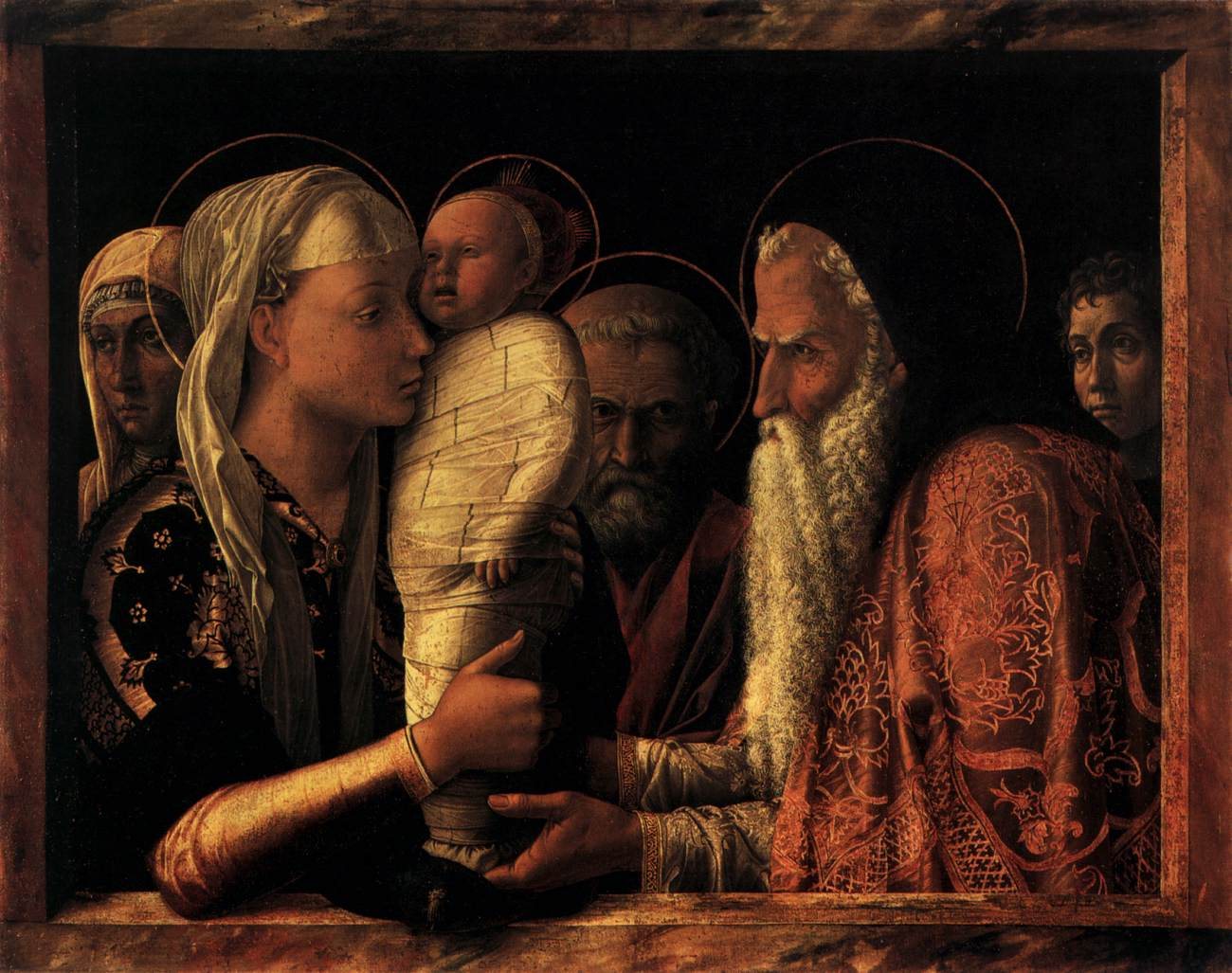
Andrea Mantegna · The Presentation in the Temple
This page was written with respect for our Jewish friends. Jesus was a Jew, and so were his mother Mary and every one of the apostles. Here we explain, in the words of the Tanakh itself, why we believe that Jesus of Nazareth is the Messiah Israel was waiting for. We do it without looking down on anyone, and without hiding the shameful pages of our own history.
This page follows the Catholic Church’s own documents on relations with Judaism: the Second Vatican Council’s declaration Nostra Aetate (1965), the guidelines of the Commission for Religious Relations with the Jews (1974, 1985), “We Remember” (1998) and “The Gifts and the Calling of God Are Irrevocable” (2015). For the reading of the Tanakh we drew on debates about the Jewish hope of the Messiah, above all the work of Michael L. Brown and Brant Pitre. Click any Bible or Catechism reference to read the text for yourself. The Tanakh is the Jewish Bible; Christians call the same books the Old Testament.
In short
- 1Jesus was a JewHis mother, his apostles and his first church were Jewish. The Church should never have forgotten it.Read all
- 2First, an apologyThe evil Christians did to Jews betrayed everything Jesus taught. The Church has asked forgiveness for it.Read all
- 3What we say, and what we don’tGod has not given up on the Jewish people. We only bear witness to the most beautiful thing we know.Read all
- 4When was the Messiah to come?According to Daniel, Haggai and Malachi, the Messiah had to come before the Second Temple was destroyed. It fell in AD 70.Read all
- 5The suffering servantIsaiah 53 describes an innocent man who dies for his people’s sins and then lives again. The ancient rabbis also linked him to the Messiah.Read all
- 6Blood, sacrifice and atonementSacrifice stands at the heart of the Torah. Since the Temple fell there has been no altar. Where is atonement?Read all
- 7The one they piercedPsalm 22 and Zechariah 12 speak of someone pierced. The Talmud connects this with the Messiah.Read all
- 8God is one. So who is the Messiah?We say the Shema too. But the Tanakh also shows a face of God that people could see.Read all
- 9“But there is still no peace in the world”The Tanakh describes the Messiah in two ways: humble on a donkey, and coming with the clouds of heaven. We believe both.Read all
- 10“Jesus abolished the Torah”Jesus lived the Torah and said, “I came not to abolish but to fulfil.” Paul remained a Jew to the end of his life.Read all
- 11“Matthew misquoted the Tanakh”Matthew read the Tanakh the way the Jewish interpreters of his day did, and often more carefully than they did.Read all
- 12Why did thousands of Jews believe?The first believers were all Jews. What changed a frightened, hiding handful was seeing the Messiah risen.Read all
- 13“If I become a Christian, I stop being a Jew”No. Believing in Israel’s Messiah is not breaking away from Israel. There are living examples.Read all
Part I
Children of the same family
1Jesus was a Jew
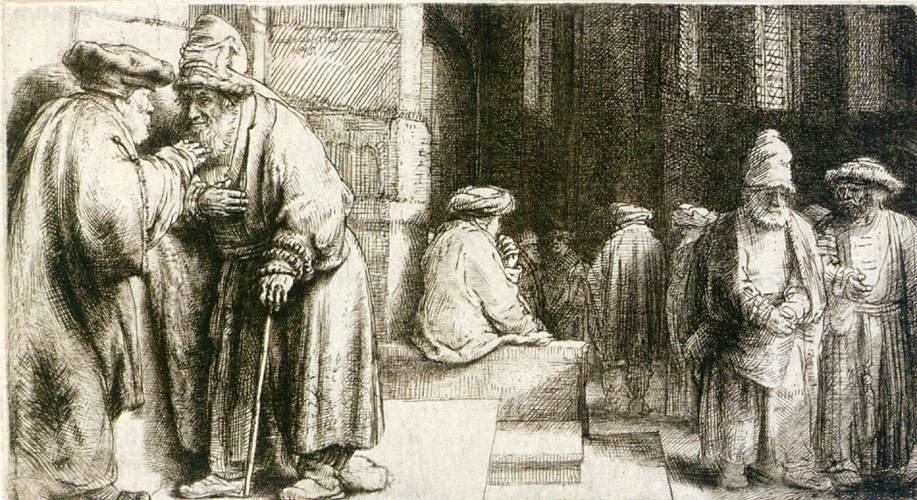
Anyone who wants to understand Christianity should start with one simple fact: Jesus was a Jew. He was circumcised on the eighth day (Luke 2:21). His mother Mary took him to the Temple and made the offering the Torah required (Luke 2:22-24). He went to the synagogue on the Sabbath, kept the feasts in Jerusalem, and taught from the Torah and the prophets. Those who listened to him called him “Rabbi.”
His mother’s name was Miriam. Peter’s name was Shimon, and Paul’s was Shaul. All twelve apostles were Jews. The first church in Jerusalem, the first community of those who believed in Jesus, was made up entirely of Jews. The Acts of the Apostles tells us that “many thousands” of Jews in Jerusalem believed in Jesus, and that all of them were “zealous for the law” (Acts 21:20). The first great dispute was not whether Jews could believe in Jesus. It was the opposite: whether non-Jews could share this faith too (Acts 15).
Jesus told the Samaritan woman, “Salvation is from the Jews” (John 4:22). Paul wrote of the Jews: “To them belong the sonship, the glory, the covenants, the giving of the law, the worship and the promises. To them belong the patriarchs, and of their race, according to the flesh, is the Christ” (Romans 9:4-5).
The Church never forgot this, but at times it acted as if it had. Today it says plainly that its relationship with Judaism is not like its relationship with any other religion. The faith of the Jewish people, seen in the Tanakh, is the foundation of Christian faith (CCC 839). When Pope John Paul II visited the Synagogue of Rome in 1986, he called the Jews “our dearly beloved brothers and, in a certain way, our elder brothers.” In the years when Nazism was rising, Pope Pius XI had said, “Spiritually, we are all Semites.”
God has never taken back his covenant with Israel (CCC 121). As Paul says, “the gifts and the call of God are irrevocable” (Romans 11:29).
2First, an apology
We understand if a Jewish reader looks at this page with suspicion. For centuries the name of Jesus was used to make Jews suffer. There were forced baptisms, ghettos, expulsions, monstrous lies like the “blood libel,” and the charge of “deicide.” Remembering this is painful, but forgetting it would be a greater injustice. All of these evils betrayed what Jesus taught. He taught us to love our enemies, and for those who crucified him he prayed, “Father, forgive them” (Luke 23:34).
The Holocaust took place in the middle of Christian Europe. Nazism was hostile to Christianity too. Yet in its document “We Remember” (1998), the Church admitted that centuries of anti-Jewish prejudice had dulled the consciences of many Christians. It offered that document as an act of repentance, in Hebrew a “teshuvah.”
In the year 2000, Pope John Paul II placed a prayer between the stones of the Western Wall in Jerusalem:
God of our fathers, you chose Abraham and his descendants to bring your Name to the nations. We are deeply saddened by the behaviour of those who in the course of history have caused these children of yours to suffer, and asking your forgiveness we wish to commit ourselves to genuine brotherhood with the people of the Covenant.
Pope John Paul II, the Western Wall, 26 March 2000
The Church also teaches clearly that the death of Jesus cannot be charged against all the Jews then living, nor against the Jews of today. The Jews must not be presented as rejected or accursed by God (Nostra Aetate 4). The Catechism goes further: the ones truly responsible for Christ’s sufferings are the sinners who crucified him by their sins, that is, all of us. And that responsibility falls most heavily on Christians (CCC 597-598).
In John’s Gospel, the word translated “the Jews” usually means not the whole people but the leaders in Jerusalem who opposed Jesus. Jesus himself, his mother, his disciples and the crowds who welcomed him with joy were Jews too. Nor is it fair to use the Pharisees only as a bad example. Paul was not ashamed to say, “I am a Pharisee” (Acts 23:6). Wise Pharisees like Gamaliel saved the apostles from death (Acts 5:34-39).
3What we say, and what we don’t
This page is not an attack. It is an invitation. The Church does not carry out or support any organized mission aimed at Jews. But it asks every Christian to bear witness to their faith in Jesus Christ before Jews as well. That witness should be given “in a humble and sensitive manner, acknowledging that Jews are bearers of God’s Word, and particularly in view of the great tragedy of the Shoah” (“The Gifts and the Calling of God Are Irrevocable”, 40). That is what we are trying to do.
What we do not say
- We do not say that God has rejected the Jews. The covenant has not been revoked.
- We do not say that the Jews are accursed, or collectively guilty of the death of Jesus.
- We do not say that Jews who die without believing in Jesus cannot be saved. For the Church, how Jews share in God’s salvation remains “an unfathomable divine mystery” (“Gifts”, 36).
- We do not see Judaism as a soulless religion of rules. Loving God with all your heart (Deuteronomy 6:5) and loving your neighbor as yourself (Leviticus 19:18) are commandments of the Torah. Jesus quoted them from the Torah as the two greatest commandments.
What we do say
- There is one Saviour for the salvation of everyone. The Church does not believe in two separate ways of salvation (“Gifts”, 35).
- Many passages of the Tanakh were fulfilled in a unique way in Jesus of Nazareth. Below we try to show them one by one.
- The Jewish reading of the Tanakh according to its own tradition is also a possible reading. The Church accepts this (Pontifical Biblical Commission, 2001, 22). We offer our own reading, and invite the reader to open the texts and read them for themselves.
Finally, we have something in common: both of us are waiting for the Messiah. Jews wait for his first coming, Christians for his second (CCC 840). This waiting should make us companions on the road, not enemies.
Part II
Signs in the Tanakh
4When was the Messiah to come?
Jewish tradition is still waiting for the Messiah today. But the Tanakh has three passages that tie the time of his coming to a particular event. All three speak of the Second Temple in Jerusalem, the Temple rebuilt after the exile in Babylon and destroyed by the Romans in AD 70.
1. Haggai: a greater glory
When those who returned from exile built the Second Temple, the old men wept, because it was so modest next to Solomon’s. Through the prophet Haggai, God said: “The latter splendour of this house shall be greater than the former. In this place I will give peace” (Haggai 2:9). Yet the Talmud admits that five things were missing from the Second Temple: the Ark of the Covenant, the fire from heaven, the visible presence of God (the Shekhinah), the Holy Spirit, and the Urim and Thummim (Yoma 21b). So how could the glory of this Temple be greater? Our answer is this: God himself entered that Temple as a man.
2. Malachi: the Lord will suddenly come to his temple
“Behold, I send my messenger to prepare the way before me, and the Lord whom you seek will suddenly come to his temple” (Malachi 3:1). These words were spoken in the time of the Second Temple. That Temple no longer exists. So the Lord’s visit had to take place while it was still standing.
3. Daniel: seventy weeks
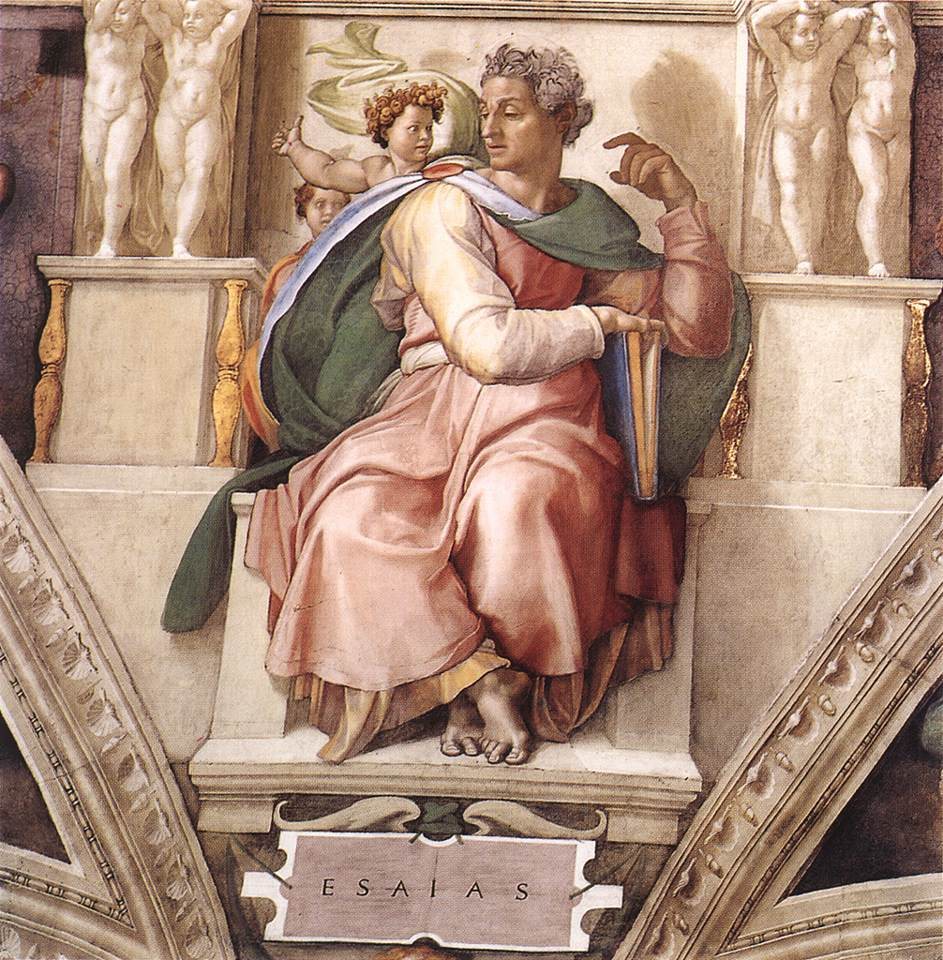
The book of Daniel gives a period of time that begins with the decree to rebuild Jerusalem. Within it, “transgression will be finished, sin brought to an end, iniquity atoned for, and everlasting righteousness brought in.” Then “an anointed one shall be cut off.” After that, the people of a prince who is to come “shall destroy the city and the sanctuary” (Daniel 9:24-26). There are different views on how to count the starting year. But the order is clear: first an anointed one is killed, then the city and the Temple are destroyed.
The rabbis read Daniel carefully too. According to one view recorded in the Talmud, all the dates set for the coming of the Messiah have long passed, and now everything depends on repentance (Sanhedrin 97b). That is an honest admission. We believe the dates did not pass by; they were fulfilled right on time.
The Talmud records something else of interest. Forty years before the Temple was destroyed, around AD 30, the signs of the Day of Atonement began to change. The lot “for the Lord” no longer came up in the right hand, the crimson wool no longer turned white, and the western lamp of the Temple would not stay lit (Yoma 39b). Christians cannot help noticing how close this date is to the crucifixion of Jesus in Jerusalem.
In short, the Messiah had to come while the Temple was standing, visit the Temple, and die before the Temple was destroyed. There is no other candidate who came before AD 70, claimed to be the Messiah, taught in the Temple, died, and then turned millions of people to the God of Israel.
5The suffering servant: Isaiah 53
Our request to the Jewish reader is this: read Isaiah 52:13 to 53:12 once from beginning to end, without any commentary. Then ask yourself: who is this?
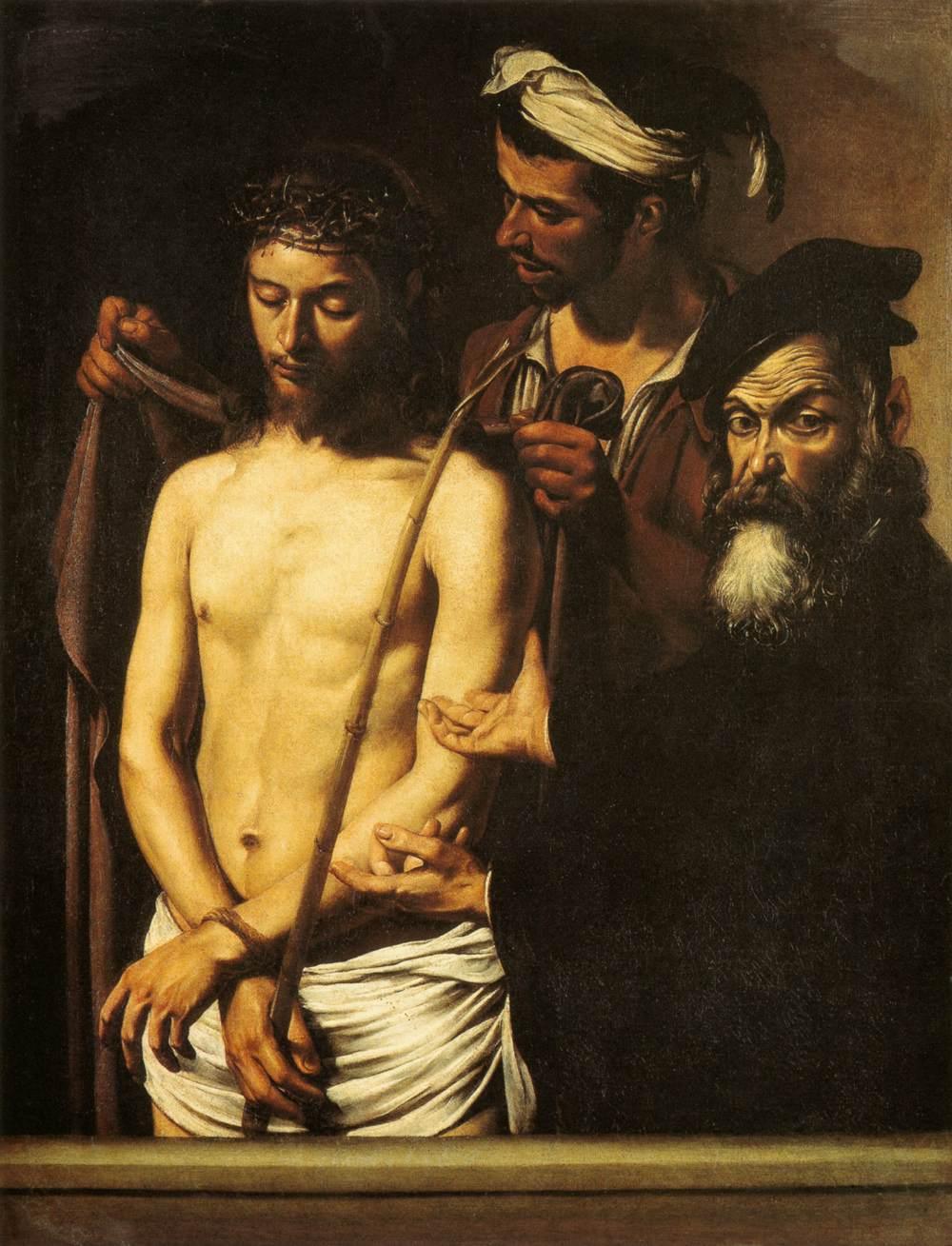
The servant in the text is innocent: “He had done no violence, and there was no deceit in his mouth” (Isaiah 53:9). He suffers not for his own sins but for the sins of others: “He was wounded for our transgressions, he was bruised for our iniquities; upon him was the chastisement that made us whole, and with his stripes we are healed” (Isaiah 53:5). He dies: he is “cut off out of the land of the living” and laid in a grave (Isaiah 53:8-9). But the story does not end at the grave. After he gives his life as a guilt offering (asham), “he shall see his offspring, he shall prolong his days” and “make many to be accounted righteous” (Isaiah 53:10-11).
Could this servant be the people of Israel?
Since Rashi (11th century), many Jewish interpreters have read the servant as the people of Israel. We respect that reading. Earlier chapters of Isaiah do speak of “Israel, my servant” (Isaiah 41:8). But several things in this passage stand out:
- The servant is innocent. Yet the same prophet says plainly that the people went into exile because of their own sins (Isaiah 50:1; 59:2). In God’s eyes, Israel, like every human being, is not without sin.
- The servant is punished for the prophet’s “people”: “stricken for the transgression of my people” (Isaiah 53:8). The prophet’s people is Israel. So the servant is someone who suffers for Israel.
- In Isaiah 49, the servant who is called “Israel” has the task of “bringing Jacob back to God” (Isaiah 49:5-6). The people cannot bring itself back. This servant is one man who carries out Israel’s calling on his own.
What did the ancient rabbis say?
The idea that the Messiah would suffer was not invented by Christians. The Aramaic translation of the Tanakh, Targum Jonathan, renders the first verse of the passage: “Behold, my servant the Messiah shall prosper.” In the Talmud, when the rabbis discuss the Messiah’s name, some call him “the leper scholar” and cite the verse “Surely he has borne our sicknesses” (Sanhedrin 98b). Midrash Tanhuma says that the servant of 52:13 “will be higher than Abraham, than Moses, and even than the ministering angels.” And the Zohar (II, 212a) says: “When the Holy One wishes to give healing to the world, he strikes one righteous man among them, and for his sake heals them all.” Then it quotes Isaiah 53:5.
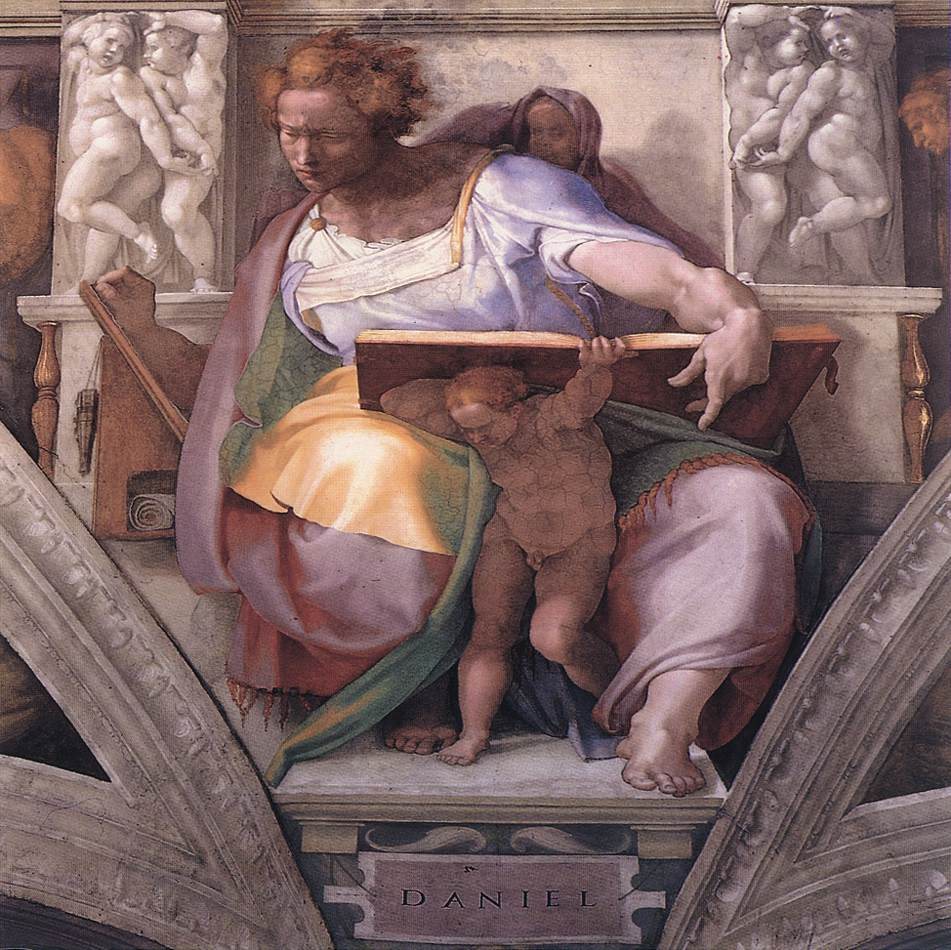
In a radio debate, a rabbi argued that the text describes not Israel but all the prophets who were sent to the people and suffered. But which prophet became “higher than Abraham and Moses”? By whose wounds was the people healed? Isaiah speaks in the singular: he, his wounds, his life. We read the text as it stands.
Matthew says that this servant is Jesus himself. And at the Last Supper, when Jesus blessed the wine, he said, “This is my blood, poured out for many” (Mark 14:24). That is the voice of Isaiah 53:12: “He bore the sin of many.”
6Blood, sacrifice and atonement
Repentance matters in the Torah of Moses. But much of the Torah speaks of sacrifices, the altar and the Day of Atonement. “The life of the flesh is in the blood, and I have given it to you upon the altar to make atonement for your souls” (Leviticus 17:11). The Talmud says it briefly: “There is no atonement without blood” (Yoma 5a; Menahot 93b).
The prophets did not oppose sacrifice; they opposed hypocrisy. In the same passage where Isaiah condemns sacrifices offered without a heart, he also condemns prayers and Sabbaths kept without a heart (Isaiah 1:11-15). No one concludes from this that prayer is unnecessary. Right after David says “a broken spirit is the sacrifice acceptable to God,” he says that sacrifices will be offered on the altar (Psalm 51:17-19).
Since the Temple fell
Since AD 70 there has been no altar. The blood of the Day of Atonement can no longer be offered as the Torah prescribes. The sage Rabbi Yohanan ben Zakkai comforted his disciples at the time: from now on, mercy and kindness would take the place of sacrifice. We Catholics do not belittle these words. Repentance, prayer, fasting and almsgiving are precious to us too (Tobit 12:9). But we cannot help asking: was the system of sacrifice that the Torah set up so carefully meant for only a short time? Or was it pointing to a greater sacrifice?
The binding of Isaac
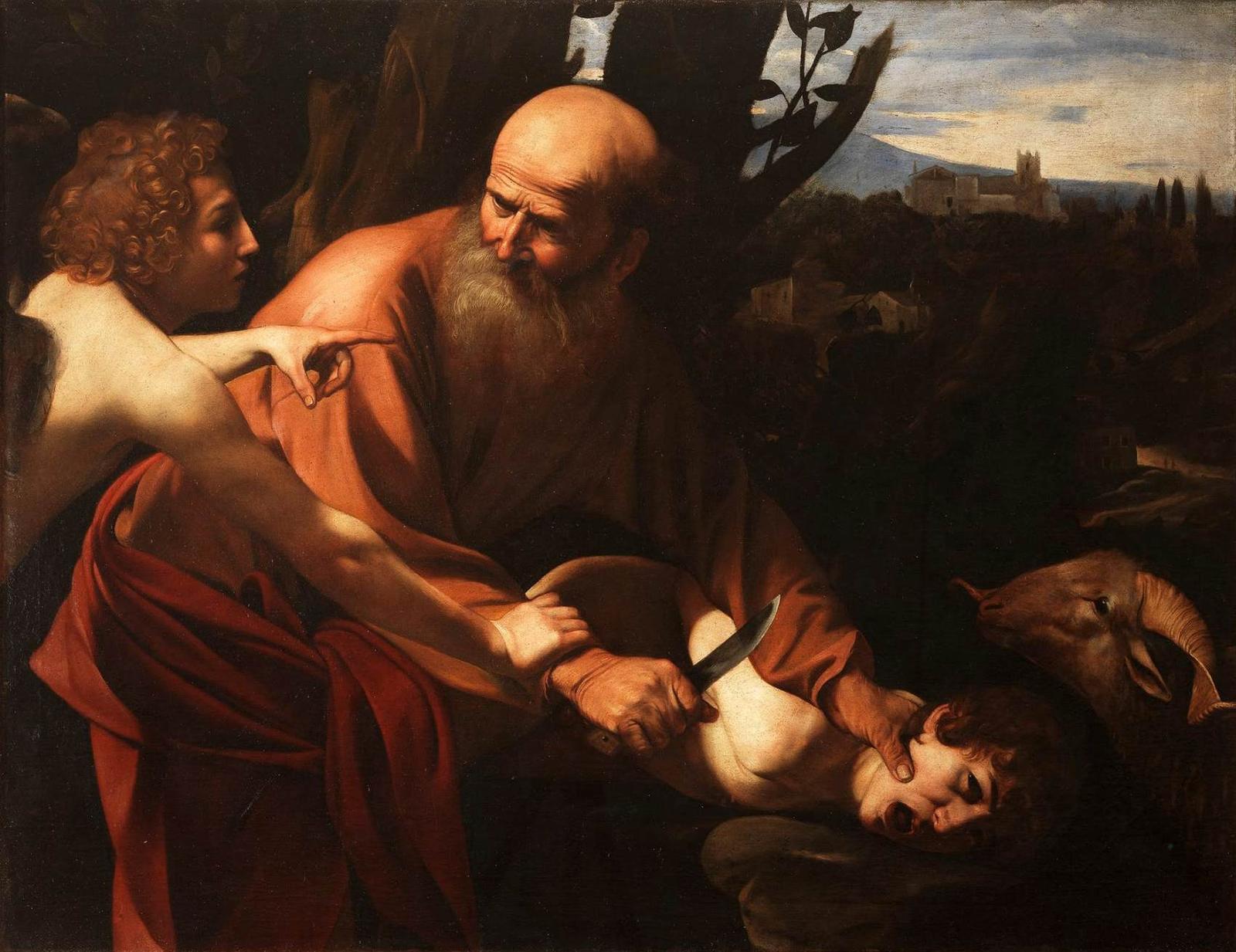
One of the most moving scenes in the Torah takes place on Mount Moriah (Genesis 22). Abraham takes his beloved son Isaac to offer him. Isaac carries the wood on his back. He asks his father, “Where is the lamb?” Abraham answers, “God will provide himself the lamb.” In rabbinic tradition Isaac is a grown young man who lets himself be bound willingly. Genesis Rabbah describes Isaac carrying the wood as “like one who carries his cross on his shoulder” (56:3). Leviticus Rabbah says that the lambs offered in the Temple every morning and evening reminded God of the binding of Isaac (2:11). In the Rosh Hashanah prayers, Jews still ask God today to remember the binding of Isaac and have mercy on his descendants.
Mount Moriah is where the Temple was later built (2 Chronicles 3:1). Isaac did not die; a ram was offered in his place. We believe that centuries later, in the same city, God himself “provided the lamb.”
The death of the righteous atones
The Talmud says that “the death of the righteous atones” (Moed Katan 28a). Many sages in Jewish history wished that their death would be an atonement for their people. This is not a human sacrifice. It is an innocent person freely giving his own life for others. Jesus chose this himself: “No one takes my life from me, but I lay it down of my own accord” (John 10:18).
The Passover lamb
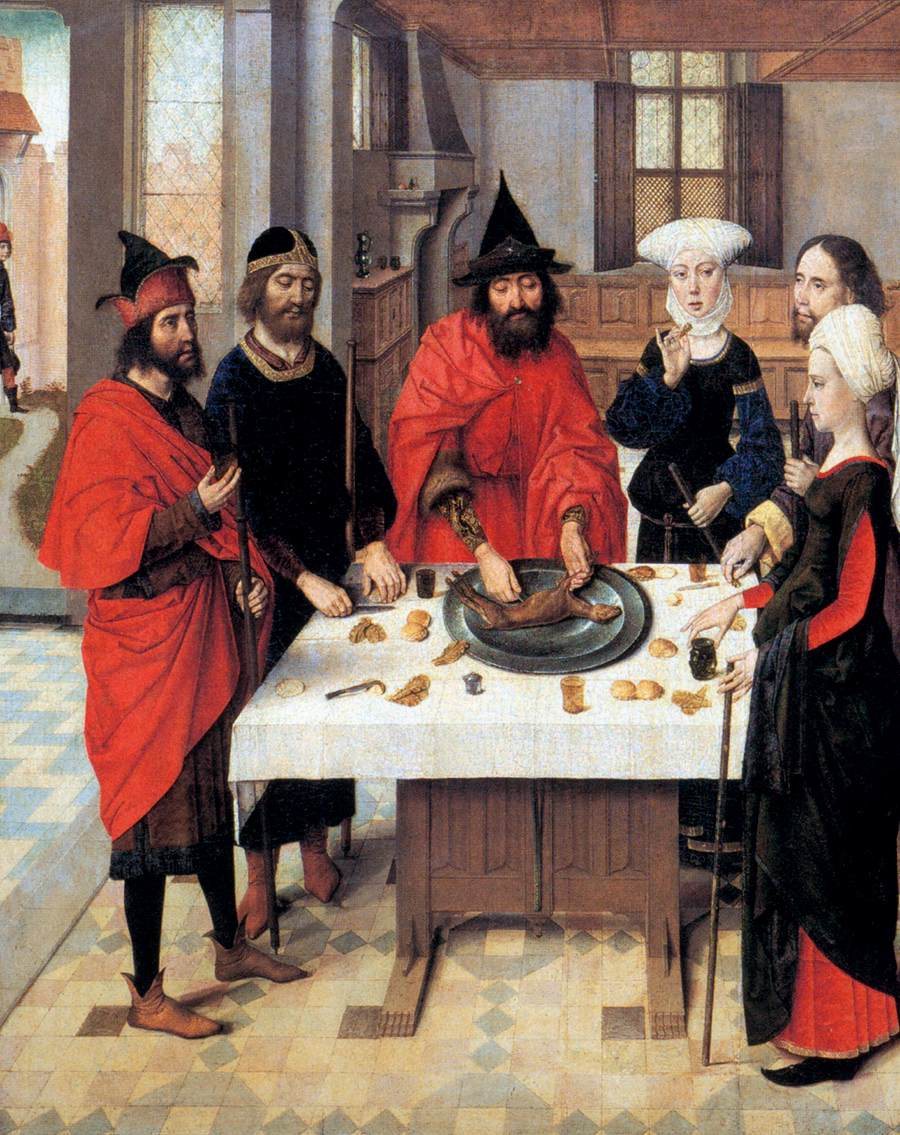
At the first Passover in Egypt, the angel of death passed over the houses where he saw the lamb’s blood on the doorposts (Exodus 12:13). The lamb had to be without blemish; its blood had to be shed and its flesh eaten. Jesus was crucified in Jerusalem at Passover. The day before, at the meal he ate with his disciples, he gave them bread and wine as his own body and blood. The Mishnah says, “In every generation a person must see himself as if he had come out of Egypt” (Pesahim 10:5). Catholics celebrate this new Passover at every Mass: “Christ, our Passover lamb, has been sacrificed” (1 Corinthians 5:7).
7The one they pierced: Psalm 22 and Zechariah 12
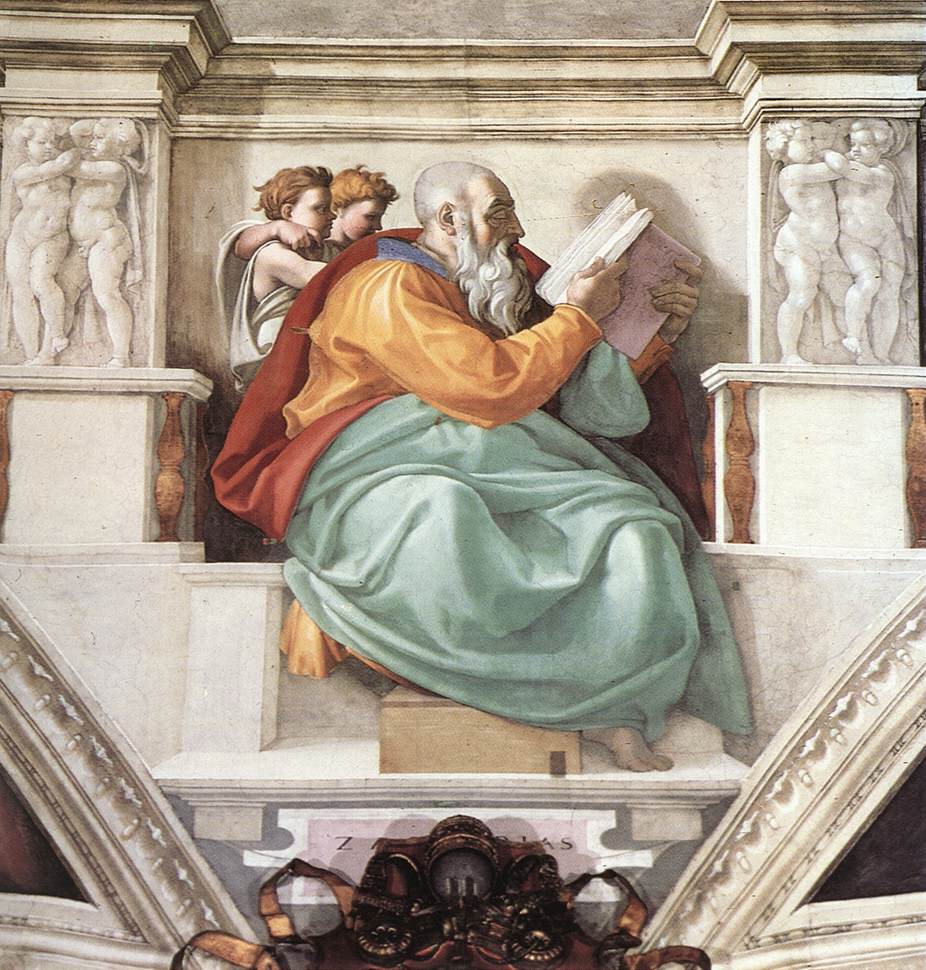
The prophet Zechariah describes, in God’s own words, a day to come: “I will pour out on the house of David and the inhabitants of Jerusalem a spirit of compassion and supplication, so that when they look on me, on him whom they have pierced, they shall mourn for him, as one mourns for an only child” (Zechariah 12:10). The sentence has a striking shift: “they shall look on me” and “they shall mourn for him.” The pierced one is identified with God and yet spoken of as distinct from him. The Talmud records a view that this verse speaks of the Messiah, the Messiah son of Joseph (Sukka 52a). Later in Zechariah, after this mourning, “a fountain shall be opened to cleanse them from sin and uncleanness” (Zechariah 13:1).
Psalm 22 is David’s darkest psalm. It begins, “My God, my God, why have you forsaken me?” Jesus cried out these words on the cross (Matthew 27:46). The psalm describes a mocking crowd, thirst, bones that can be counted, and clothes divided by lot (Psalm 22:7-8, 15-18). In today’s Hebrew text, verse 16 reads “like a lion, my hands and my feet.” But the Greek translation made by Jews in the 3rd century BC (the Septuagint) and an ancient Hebrew manuscript found at Nahal Hever near the Dead Sea read “they pierced.” This is a difference within the Jewish textual tradition itself, not a Christian one. The New Testament does not even quote this verse.
The end of the psalm is even more surprising. The sufferer is rescued, and because of his rescue “all the ends of the earth shall remember and turn to the Lord, and all the families of the nations shall bow down before him” (Psalm 22:27). Nothing like this happened in David’s own life. But today more than two billion people all over the world pray to the God of Abraham, Isaac and Jacob. All of them came to this path through a Jew from Nazareth.
8God is one. So who is the Messiah?
“Hear, O Israel: the Lord our God is one Lord” (Deuteronomy 6:4). The Shema is the heart of Jewish faith. It is the heart of Christian faith too. When Jesus was asked about the greatest commandment, he answered with the Shema (Mark 12:29). Christians do not believe in three gods. They believe in one God.
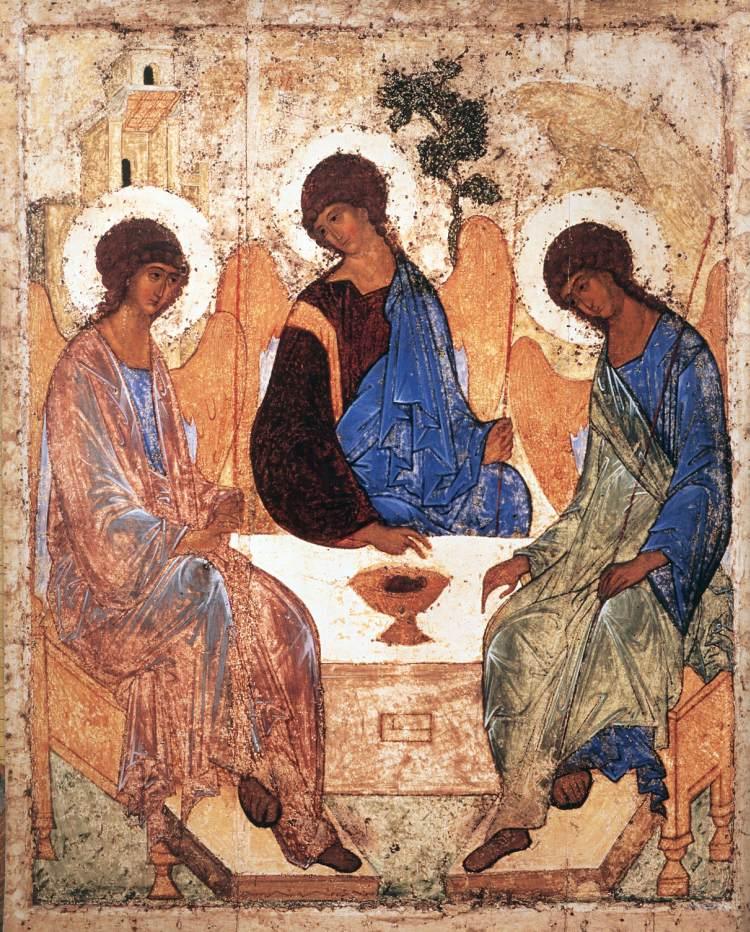
The Church knows how sensitive the Jewish soul is about the majesty of God. It understands why the idea of God becoming man is so hard for a Jew (1974 Guidelines, I). So we will not force anything; we will simply list what the Tanakh itself shows:
- God cannot be seen: “Man shall not see me and live” (Exodus 33:20). Yet the Lord appears to Abraham with three men, eats with him and talks with him. Then two “angels” go on to Sodom while the Lord keeps speaking with Abraham (Genesis 18:1-2, 22; 19:1). Rublev’s icon above depicts this scene.
- “The angel of the Lord” speaks from the burning bush and says, “I am the God of your father” (Exodus 3:2-6). Jacob names “the angel who has redeemed me from all evil” in the same breath as God (Genesis 48:15-16).
- The Aramaic Targums often describe God’s dealings with people through “the Word of the Lord” (the Memra). John’s Gospel begins the same way: “In the beginning was the Word, and the Word was with God, and the Word was God. And the Word became flesh and dwelt among us” (John 1:1, 14).
- In Isaiah, one of the names of the child to be born is “Mighty God” (El Gibbor, Isaiah 9:6). The same title is used of God in the next chapter (Isaiah 10:21). In Jeremiah, the Branch who will come from David’s line is named “The Lord is our righteousness” (Jeremiah 23:5-6). The Talmud cites this verse as proof that the Messiah will be called by the name of the Holy One (Bava Batra 75b).
- Daniel sees “one like a son of man” coming with the clouds of heaven before God, and all nations serving him (Daniel 7:13-14). In the Tanakh, the one who comes on the clouds is always God. Jesus’ favorite title for himself was “the Son of Man.”
Professor Benjamin Sommer of the Jewish Theological Seminary writes in his book “The Bodies of God” that no Jew who is sensitive to Judaism’s own classical sources can condemn as un-Jewish a model of God who has a body on earth, a Holy Spirit and a heavenly appearance. Sommer is not a Christian and rejects Christianity for other reasons. But on this point he is honest.
We do not worship a man. We worship the one God, who shows himself in his Word and his Spirit. Paul says that every knee that bends to Jesus does so “to the glory of God the Father,” and he takes these words from Isaiah (Philippians 2:10-11; Isaiah 45:23).
Part III
Objections that come to mind
9“But there is still no peace in the world”
This is the strongest and most honest objection. In a debate, Rabbi Michael Gold summed it up this way: “I look at the world. Is there peace? No. Has the Temple been rebuilt? No. Nations still lift up sword against nation.” The prophets really do promise a future where swords are beaten into ploughshares (Isaiah 2:4) and the wolf lives with the lamb (Isaiah 11:6).
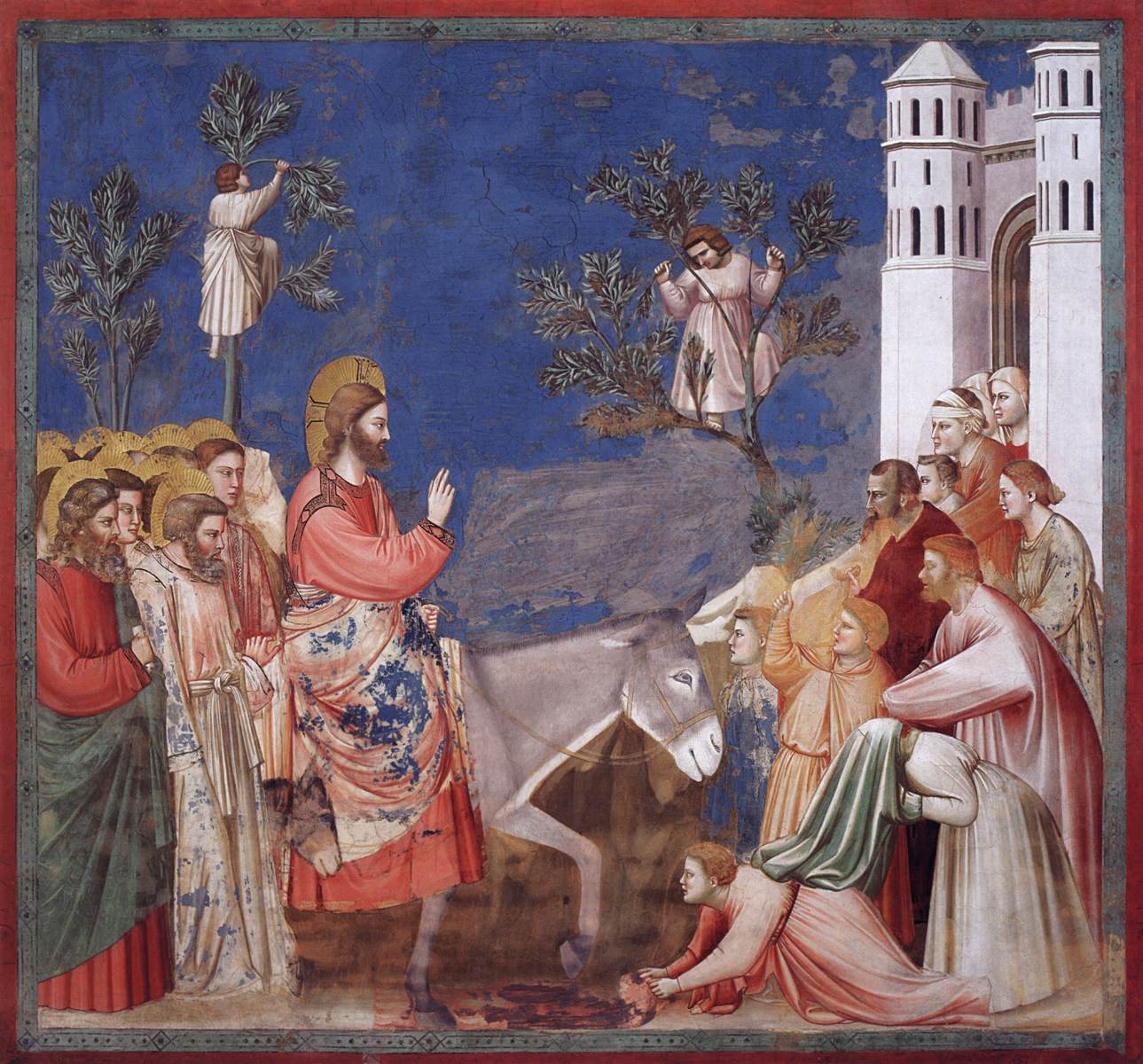
But the Tanakh describes the Messiah in two different ways. In Zechariah he comes to Jerusalem “humble and riding on a donkey” (Zechariah 9:9). In Daniel he comes “with the clouds of heaven” (Daniel 7:13). The Talmud tries to reconcile the two pictures this way: if Israel is worthy, the Messiah will come with the clouds; if not, on a donkey (Sanhedrin 98a). We believe both will happen. The Messiah came first in humility. He will come again in glory.
The servant in Isaiah 49 is first sent to his own people and thinks his work has been in vain. God tells him: “It is too light a thing that you should only raise up the tribes of Jacob. I will make you a light to the nations, that my salvation may reach to the end of the earth” (Isaiah 49:6). That is exactly what happened. The disciples of a Jewish teacher carried the God of Israel, the Ten Commandments and the Psalms to the ends of the earth.
The most striking statement of this comes from a great Jewish sage who did not accept Jesus as the Messiah. Moses ben Maimon (Rambam) writes in the uncensored text of the Mishneh Torah:
The thoughts of the Creator are beyond human understanding. All these matters concerning Jesus of Nazareth only served to prepare the way for the King Messiah and to prepare the whole world to serve the Lord together. For the world is now filled with talk of the Messiah, the Torah and the commandments, and these words have spread to distant islands and to many peoples.
Rambam, Mishneh Torah, Laws of Kings, chapter 11
The prophets also say that Israel would remain for a long time without king and without sacrifice, and “afterward” return and “seek the Lord their God, and David their king” (Hosea 3:4-5). Weeping over Jerusalem, Jesus said: “You will not see me again until you say, ‘Blessed is he who comes in the name of the Lord’” (Matthew 23:39). The Church teaches that the Messiah’s coming in glory is tied to the day when “all Israel” recognizes him (CCC 674). So the one who will bring peace to the world is the Messiah who has already begun the work. It is like a merchant who pays part of a great promised sum in advance. Whoever pays the deposit will also bring the rest.
10“Jesus abolished the Torah, and Paul founded a new religion”
Jesus said: “Think not that I have come to abolish the law and the prophets; I have come not to abolish them but to fulfil them” (Matthew 5:17). He took the Torah seriously and even deepened it. To “You shall not kill” he added anger, and to “You shall not commit adultery” the lustful look (Matthew 5:21-28).
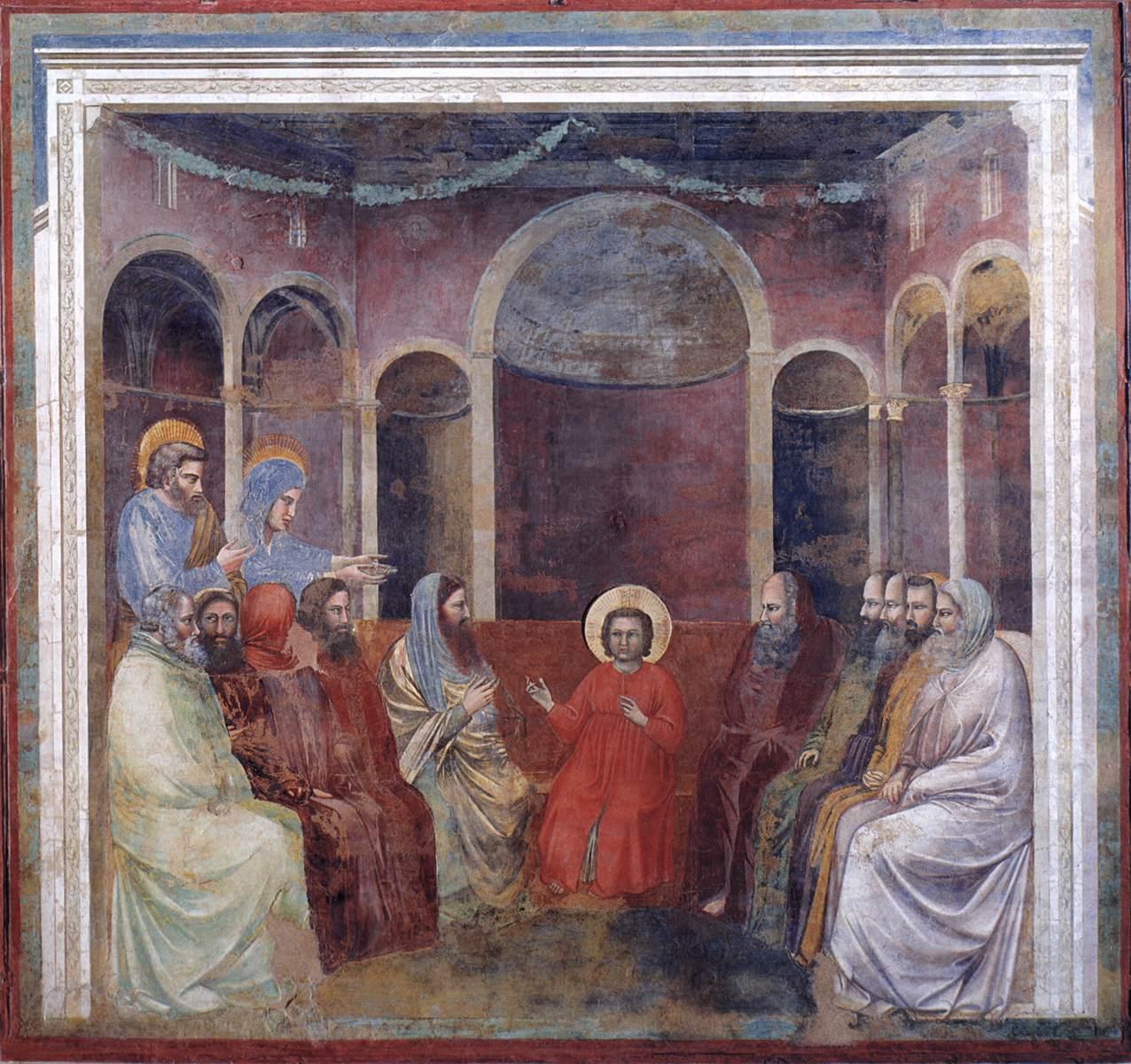
Jesus’ arguments with the rabbis of his day, like those between the disciples of Hillel and Shammai, were arguments within the family. What they argued about was not the Torah itself but how to live it. He asked whether it was right to do good on the Sabbath (Mark 3:4).
It is often said that Paul left Judaism and founded a new religion. Yet when Paul returned to Jerusalem he took part in a purification rite in the Temple. He did it so that everyone would see that he “lived in observance of the law” (Acts 21:24-26). On trial he said, “I am a Pharisee, a son of Pharisees” (Acts 23:6). He wrote to the Romans, “The law is holy, and the commandment is holy and just and good” (Romans 7:12). He told those who were called as Jews to remain circumcised (1 Corinthians 7:18). Before Paul there were already many thousands of Jews in Jerusalem who believed in Jesus. Paul first persecuted them, then joined them.
The Catholic Church’s teaching is clear. The Old Law is a holy law given by God. It prepared the way for Christ (CCC 1961-1964). Jesus did not abolish it; he fulfilled it (CCC 577-582). The sacrifices, the priesthood and the Temple reached their summit in him. The moral law remains valid today. Jeremiah said that one day God would make “a new covenant” with Israel, in which the Law would be written not on tablets of stone but on hearts (Jeremiah 31:31-33). At the Last Supper Jesus raised the cup and said, “This cup is the new covenant in my blood” (Luke 22:20). The new covenant is not an enemy that replaces the old one. It is the old one in flower.
11“Matthew misquoted the Tanakh”
Some critics say that Matthew tore verses of the Tanakh out of their context. For example, of Jesus returning from Egypt, Matthew quotes Hosea’s words, “Out of Egypt I called my son” (Matthew 2:15). But Hosea said this about the people of Israel (Hosea 11:1).
Matthew does this on purpose. In his account, Jesus lives Israel’s story over again. He goes down to Egypt and comes back, passes through the Jordan, is tested for forty days in the desert, and answers with three verses from the Torah, from Deuteronomy (Matthew 4:1-11). Then he goes up a mountain and teaches. What happened to Moses and to Israel happens again in the Messiah. The rabbis read Scripture this way too. In fact Matthew is often more careful than the Qumran interpreters and the rabbis of his own day.
Notice that for the words “he shall be called a Nazarene,” Matthew says “the prophets,” in the plural (Matthew 2:23). He is not quoting a single verse. Isaiah describes the Messiah as a “branch” (netzer) growing from the root of Jesse (Isaiah 11:1). The name Nazareth comes from the same root. Jeremiah and Zechariah also call the Messiah “the Branch” (Jeremiah 23:5; Zechariah 6:12).
Virgin or young woman?
The exact meaning of the word “almah” in Isaiah 7:14 is “young woman.” We admit this honestly. But the Jewish scholars who translated this verse into Greek in the 3rd century BC chose “parthenos,” that is, virgin. More importantly, Isaiah 7-11 is a single whole. The sign in the verse is given to the house of David. The child’s name means “God with us” (Immanuel), and a few chapters later the same child is called “Mighty God” (Isaiah 9:6). No one invents a birth story that will bring a lifelong charge of illegitimacy on their own hero. The evangelists told this story because they believed it.
The genealogies
Jeremiah says of King Jehoiachin (Jeconiah), “None of his offspring shall succeed in sitting on the throne of David” (Jeremiah 22:30). Jeconiah appears in Matthew’s genealogy. But the same Tanakh says that Jeconiah’s grandson Zerubbabel would be God’s “signet ring” (Haggai 2:23). This reverses Jeremiah’s “signet ring” curse (Jeremiah 22:24). Rabbinic tradition also tells that Jeconiah repented in exile and the decree was lifted. Luke, for his part, traces the line through Nathan, another son of David (Luke 3:31). For the Messiah who will be king, it is enough to come from David, not necessarily from Solomon.
We should use the same measure for the Tanakh. The Tanakh too has places where the chronology and the numbers seem not to agree. Jewish interpreters explain them patiently. It is only fair to show the New Testament the same patience. The Torah says, “You shall not have in your bag two kinds of weights” (Deuteronomy 25:13).
12Why did thousands of Jews believe?
When Jesus was crucified, his disciples scattered. Peter denied him three times. For a Jew, the Messiah’s death was proof that he was not the Messiah, because the Torah says that “a hanged man is accursed by God” (Deuteronomy 21:23). The story should have ended there.
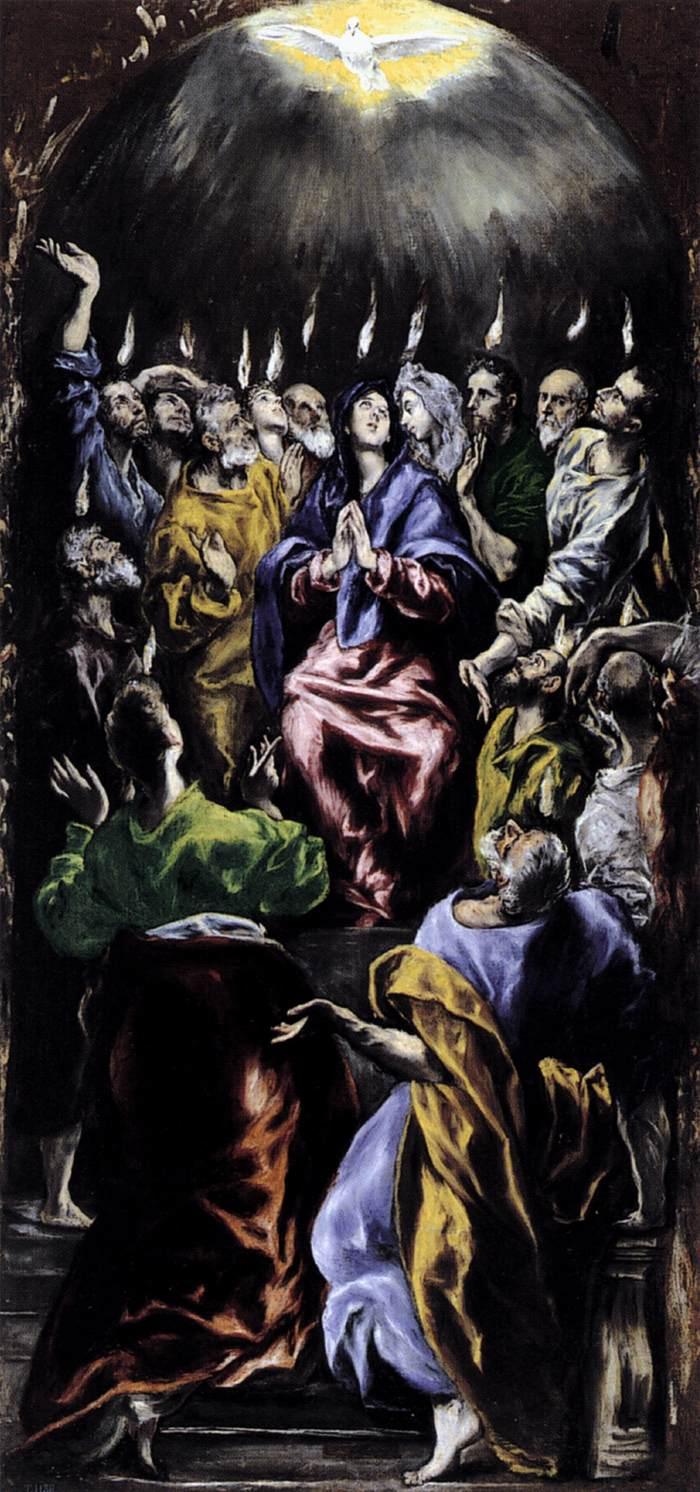
But fifty days later, at the feast of Shavuot, the same disciples proclaimed in the streets of Jerusalem that Jesus had risen. That day there were Jews in Jerusalem from all over the world. According to the Acts of the Apostles, three thousand people were baptized that day (Acts 2:41). Remember that when the Torah was given at Sinai, about three thousand people died because of the golden calf (Exodus 32:28). Shavuot is the feast of the giving of the Torah.
These people had been cowards; then they became ready to give their lives. James, the brother of Jesus, did not believe in him at first. Later he became the leader of the church in Jerusalem and was killed for his faith. The historian Josephus records his death as well. People do not die for something they know to be a lie. These disciples sincerely believed they had seen Jesus risen.
The Tanakh hints at this beforehand. David says, “You will not abandon my soul to Sheol, or let your faithful one see corruption” (Psalm 16:10). David died, and his tomb was in Jerusalem. The servant in Isaiah “shall prolong his days” after death (Isaiah 53:10). Hosea says, “On the third day he will raise us up” (Hosea 6:2).
Many people have been hailed as the Messiah. Bar Kokhba died in battle, and his movement ended with him. Sabbatai Zevi chose Islam. There have been respected leaders who were awaited as the Messiah even after their death, but none of their tombs was found empty. The movement of Jesus of Nazareth, on the other hand, began after his death, and it began among Jews.
13“If I become a Christian, I stop being a Jew”
This fear is easy to understand. For centuries, Jews who were baptized were asked to give up their people, their names and their feasts. That was a mistake. The question argued over in the first church was whether non-Jews had to become Jews in order to believe in the Messiah. Later, sadly, the question was turned around: must Jews give up being Jewish in order to believe in the Messiah?
There is not a single verse in the New Testament that tells a Jew who believes in Jesus, “You are no longer a Jew.” The word “Christian” appears only three times in the New Testament. The first believers did not see themselves as members of a new religion, but as Jews who believed in Israel’s Messiah.
There are examples of this today too:
- Edith Stein was a German Jewish philosopher. She became a Catholic and a Carmelite nun. In 1942 she was killed at Auschwitz together with her people. One of her last sayings, to her sister, was: “Come, we are going for our people.” The Church has declared her a saint under the name Teresa Benedicta of the Cross.
- Cardinal Jean-Marie Lustiger, Archbishop of Paris, was the son of a Polish Jewish family. His mother was murdered at Auschwitz. He said: “I was born Jewish and I remain Jewish, even if that is unacceptable to many.”
- In Jerusalem today there are Hebrew-speaking Catholic communities. They celebrate the liturgy in Hebrew and live by Israel’s calendar of feasts.
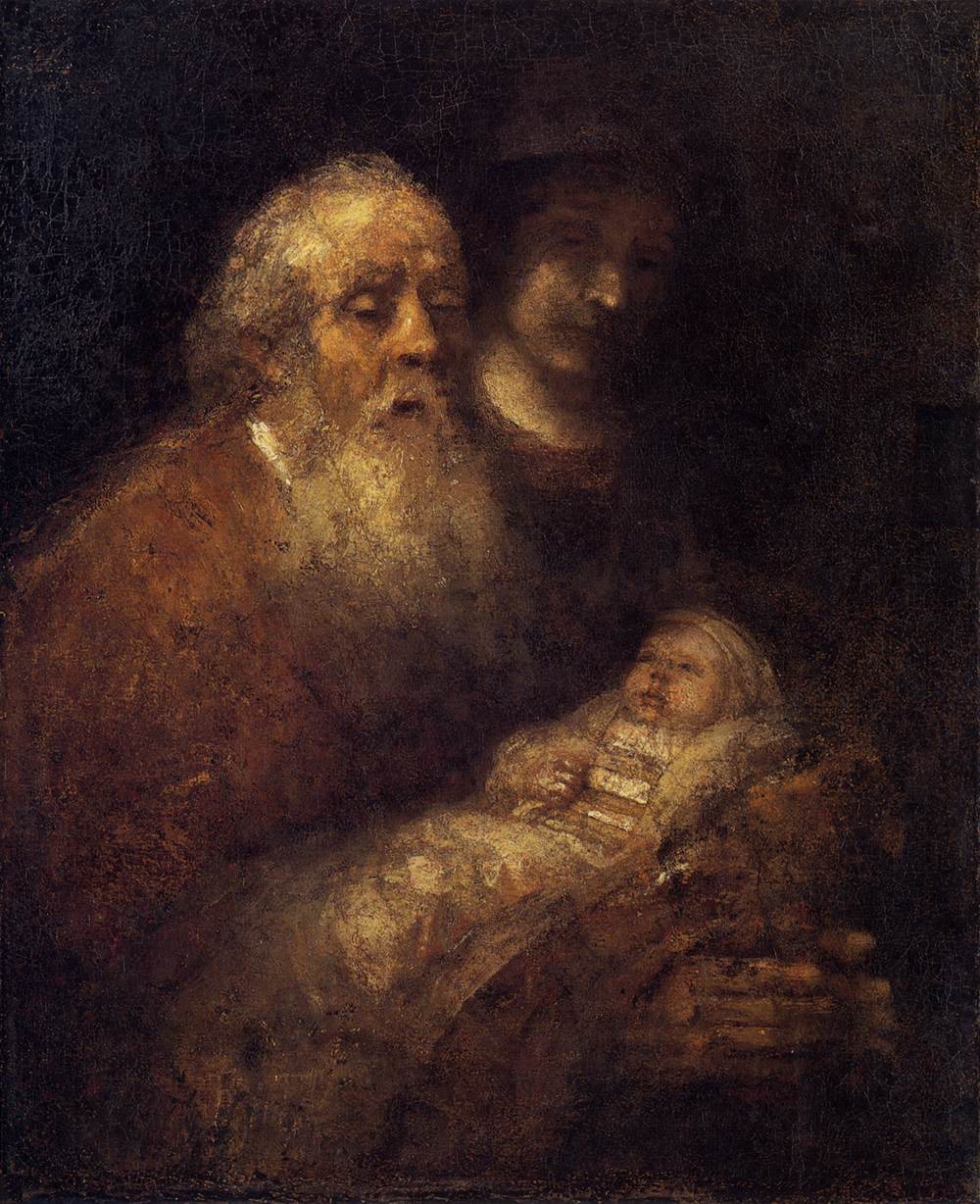
When Abraham left his father’s house, he was leaving the idols, not his family. A Jew who believes in the Messiah does not abandon his ancestors. He has found the Messiah they hoped for. When Simeon took the infant Jesus in his arms in the Temple, he did so as a faithful Jew waiting for the “consolation of Israel” (Luke 2:25).
In the end
Joseph, recognized by his brothers
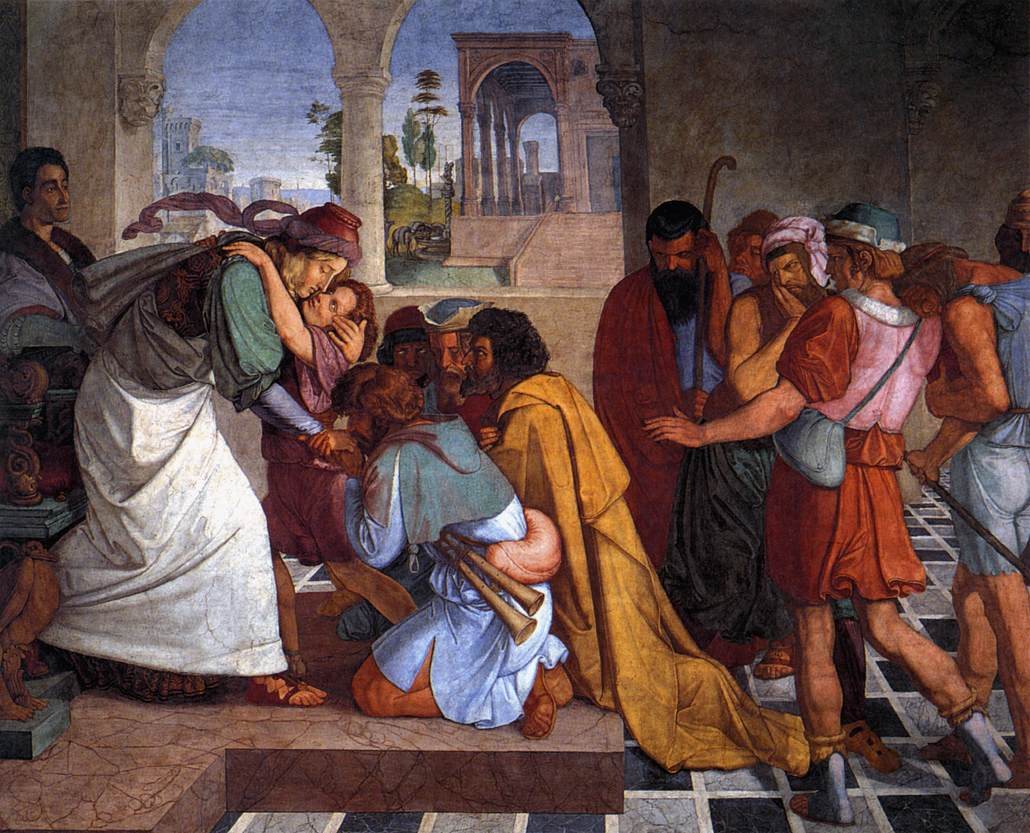
We all know the story of Joseph in the Torah. He was his father’s beloved son. His brothers envied him and sold him. For years he lived in a foreign land, in foreign clothes. He saved Egypt and all the nations around it from famine. When his brothers finally came to Egypt, they did not recognize him. Then Joseph could no longer hold back, and he wept and said, “I am your brother, Joseph.” And he added: “You meant evil against me, but God meant it for good, to bring it about that many people should be kept alive” (Genesis 45:4; 50:20).
This is how we see Jesus. A Jew, one of his own people. For centuries he went out among the nations and saved them, sadly too often dressed in clothes that were foreign to his own people. We Christians hid his Jewish face. We are ashamed of that. But he is still a son of Israel.
An invitation
We have one request of the Jewish friend reading this page. You do not have to believe us. But open your Tanakh and read these texts for yourself:
- Isaiah 52:13 to 53:12, the suffering servant.
- Daniel 9:24-27, the seventy weeks.
- Psalm 22 and Psalm 110.
- Zechariah 12:10 and 13:1.
Then, where no one can see, pray to the God of Abraham like this: “My God, I want only you and the truth. If Jesus of Nazareth is your Messiah, show me, and give me the courage to follow him.”
God does not turn away those who seek him sincerely: “You will seek me and find me, when you seek me with all your heart” (Jeremiah 29:13).
The Church’s prayer
Every year on Good Friday, the day it remembers the death of Jesus, the Catholic Church prays for the Jewish people:
Let us pray also for the Jewish people, to whom the Lord our God spoke first, that he may grant them to advance in love of his name and in faithfulness to his covenant.
The Roman Missal, Good Friday prayers
In the Temple, old Simeon took the infant Jesus in his arms and said: “My eyes have seen your salvation, a light for revelation to the Gentiles, and for glory to your people Israel” (Luke 2:30-32). These words still hold. Jesus is the light of the nations. But first of all, he is the glory of Israel.
Sources
- Second Vatican Council, Nostra Aetate (1965), section 4
- Commission for Religious Relations with the Jews, “The Gifts and the Calling of God Are Irrevocable” (2015)
- Commission for Religious Relations with the Jews, “We Remember: A Reflection on the Shoah” (1998)
- Notes on the correct way to present the Jews and Judaism in preaching and catechesis (1985)
- Guidelines and suggestions for implementing Nostra Aetate 4 (1974)
- Pontifical Biblical Commission, The Jewish People and Their Sacred Scriptures in the Christian Bible (2001)
- Pope John Paul II, address at the Synagogue of Rome (13 April 1986)
- Catechism of the Catholic Church, 121, 577-598, 674, 839-840, 1961-1964
- Michael L. Brown, Answering Jewish Objections to Jesus, volumes 1-5; the Discover Messiah lecture series
- Debate between Michael L. Brown and Rabbi Michael Gold, “Jesus: Messiah or Not?” (2010); discussion of Isaiah 53 with Rabbi Asher Meza (2017)
- Brant Pitre, Jesus and the Jewish Roots of the Eucharist (2011), and his Pints With Aquinas interview
- Catholic Answers, “Some Jewish Objections to Jesus”
- Benjamin D. Sommer, The Bodies of God and the World of Ancient Israel (2009)
- Talmud, Midrash and Targum texts: Sefaria