On this page

Parables of the Kingdom

The Parable of the Wheat and the Weeds

Good and evil grow together until the harvest; judgment belongs to God.

Matthew 13:24–30, 36–43

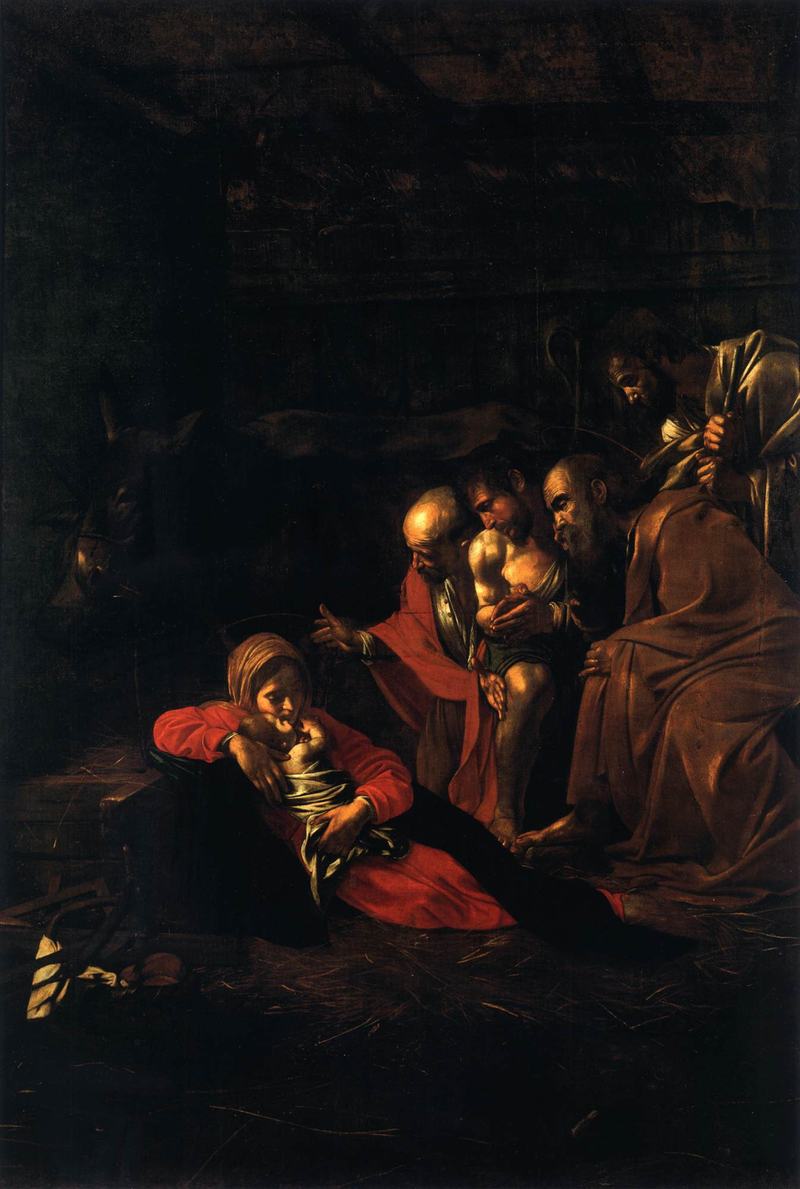
Caravaggio · The Adoration of the Shepherds

The story

While a man sleeps, an enemy sows weeds among his wheat. He won't let his servants pull them up in case the wheat comes up with them; the sorting can wait for the harvest.

Why Jesus told it

This follows straight after the Sower in Matthew 13. The first Christians were puzzled: if the Kingdom has come, why is there still so much evil, even among believers? Jesus later explains the parable to His disciples in private (Matthew 13:36–43).

The key

The man who sows good seed
the Son of Man
The field
the world
The good seed
the children of the Kingdom
The weeds
the children of the evil one
The enemy
the devil
The harvest
the end of the age, when the angels will gather and sort

What it means

The weed in question, darnel, looks almost identical to wheat while young. Pulling it up early would tear out good plants with it. The servants are eager to purify the field; the master is patient.

This is a warning against the temptation to build a “pure” community by our own hand, deciding who is beyond hope. People change: today’s weed can become tomorrow’s saint, as St Paul and St Augustine show. Evil is real and will be judged, but the sorting is God’s work, done at the right time. Our task in the meantime is to be good wheat.

What the Church teaches

The Catechism applies this to the Church herself: until the end of time, the weeds of sin are found mixed with the good wheat of the Gospel in all her members.

CCC 827

Read it in the BibleMatthew 13:24–43 ↗

All 32 parables of Jesus →