Parables of Mercy and Forgiveness
The Parable of the Prodigal Son
The Father runs to welcome the sinner home, and longs for both His sons.
The story
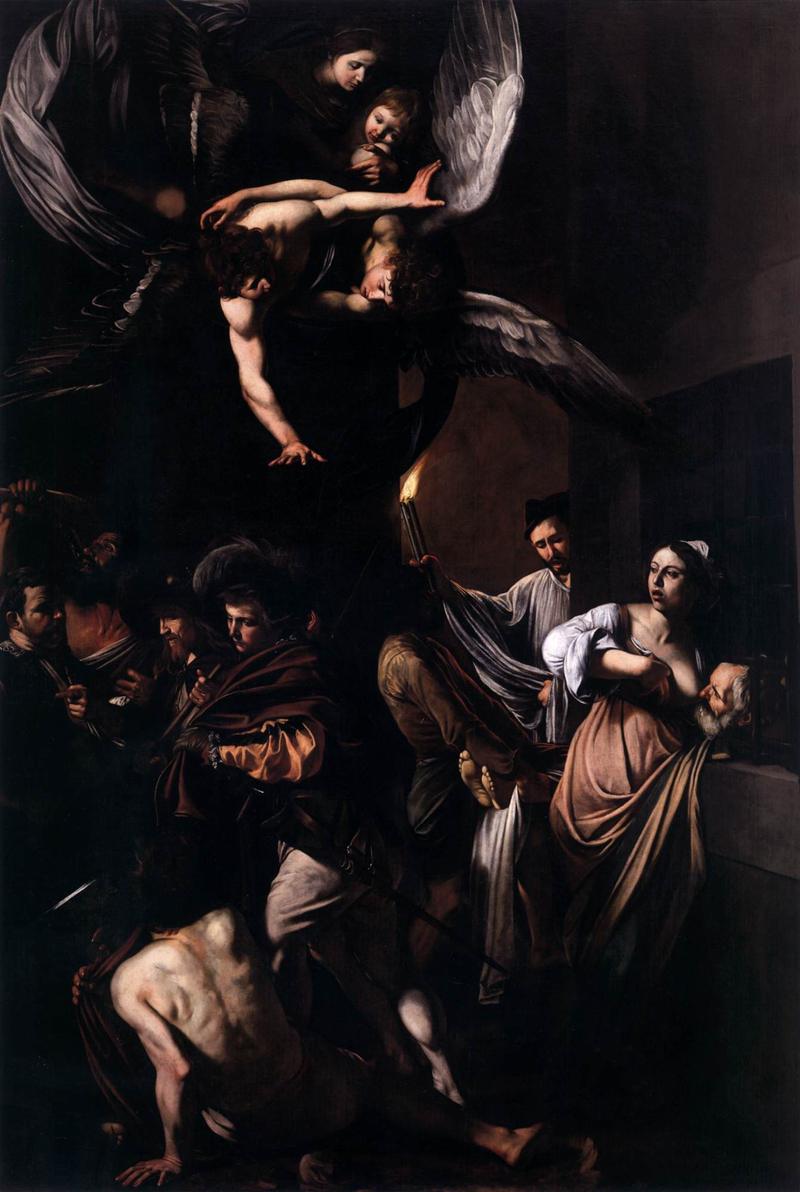
The younger son takes his inheritance, squanders it far away and ends up feeding pigs. When he decides to come home as a hired hand, his father sees him from afar, runs to him, embraces him and throws a feast. The elder son is angry and won't go in, and the father comes out to plead with him too.
Why Jesus told it
The third and longest story in Luke 15, aimed at the same Pharisees and scribes who resented Jesus eating with sinners. They would have seen themselves, uncomfortably, in the elder son.
What it means
Asking for his inheritance early was like telling his father, “I wish you were dead.” Yet the father never stops watching the road. When he sees his son, he runs, something a dignified elder of the time would never do, and cuts short the speech the son had rehearsed. The son hoped to come back as a servant; he is restored as a son.
The elder son never left home, but he is just as far from his father. He calls himself a slave and his brother “this son of yours”. The father goes out to him too, with the same tenderness. Jesus ends without telling us whether he goes in to the feast. So the question is left to us: can I be glad when God forgives someone I think does not deserve it?
What the Church teaches
The Catechism uses this parable to describe the whole process of conversion and repentance: the fascination of illusory freedom, the misery, the decision to return, the father’s welcome and the festive joy, which only the heart of Christ could reveal so simply and beautifully.
CCC 1439
Read it in the BibleLuke 15:11–32 ↗
 NewInteractiveOCIA Marriage NavigatorAnswer a few questions about your marriageStart→