On this page

Parables of Mercy and Forgiveness

The Parable of the Good Samaritan

My neighbor is anyone in need, and love crosses every boundary.

Luke 10:25–37

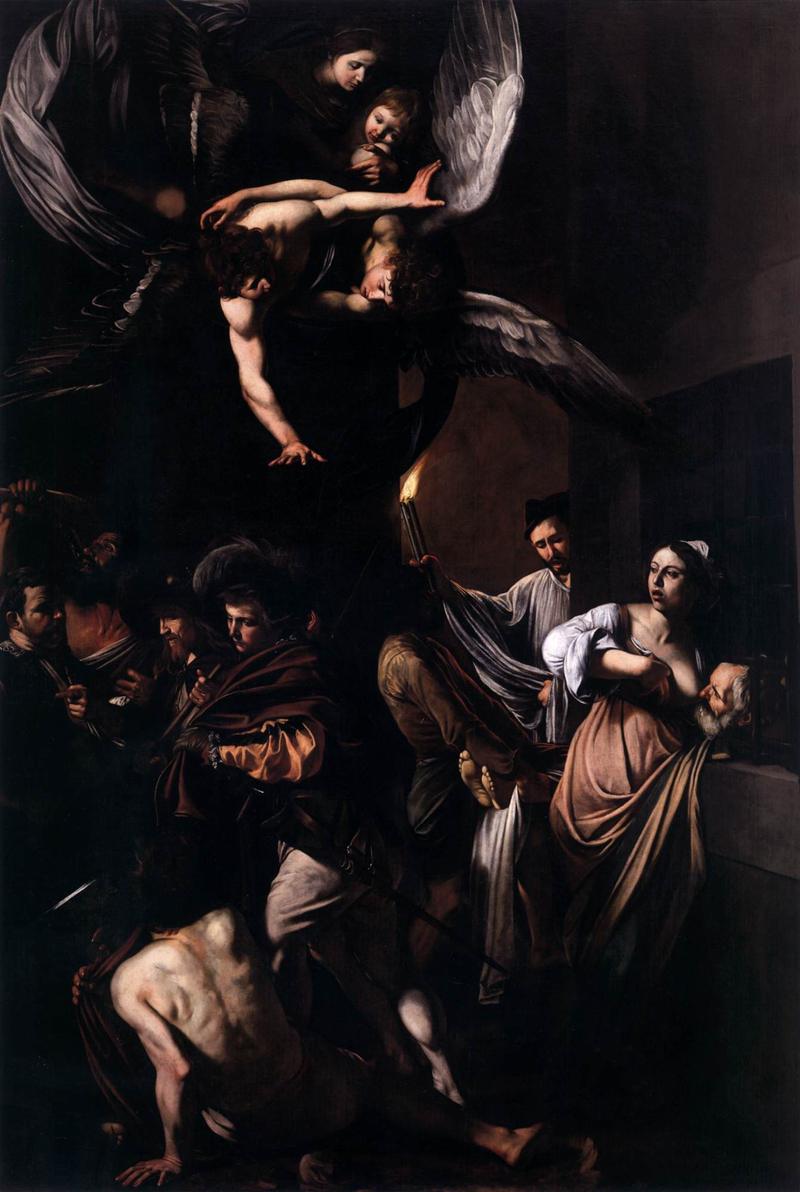
Caravaggio · The Seven Works of Mercy

The story

A man is robbed, beaten and left half dead by the road. A priest and a Levite pass by on the other side; a Samaritan, from a people the Jews despised, binds his wounds, takes him to an inn and pays for his care.

Why Jesus told it

A lawyer asks Jesus what he must do to inherit eternal life. He answers correctly: love God and love your neighbor. Then, “desiring to justify himself”, he asks: “And who is my neighbor?” This story is Jesus’ reply.

What it means

The road from Jerusalem down to Jericho drops about a kilometer in 27 kilometers through desert, and was notorious for bandits. The priest and Levite may have feared ritual impurity from touching a dead body. Samaritans and Jews despised each other; for Jesus’ audience, “good” and “Samaritan” did not belong together.

Jesus changes the question. The lawyer asked, “Who is my neighbor?”, looking for the limit of his duty. Jesus asks, “Which of these was neighbor to the man?” What matters is whether I act as a neighbor to the person in front of me. The Church Fathers, such as St Augustine, also saw Christ as the Samaritan who came down to wounded humanity, healed us and paid the cost of our care.

What the Church teaches

The Catechism teaches that charity asks us to love as Christ loves, even our enemies, and to make ourselves the neighbor of those farthest away. The works of mercy are its concrete form.

CCC 1825, 2447

Read it in the BibleLuke 10:25–37 ↗

All 32 parables of Jesus →